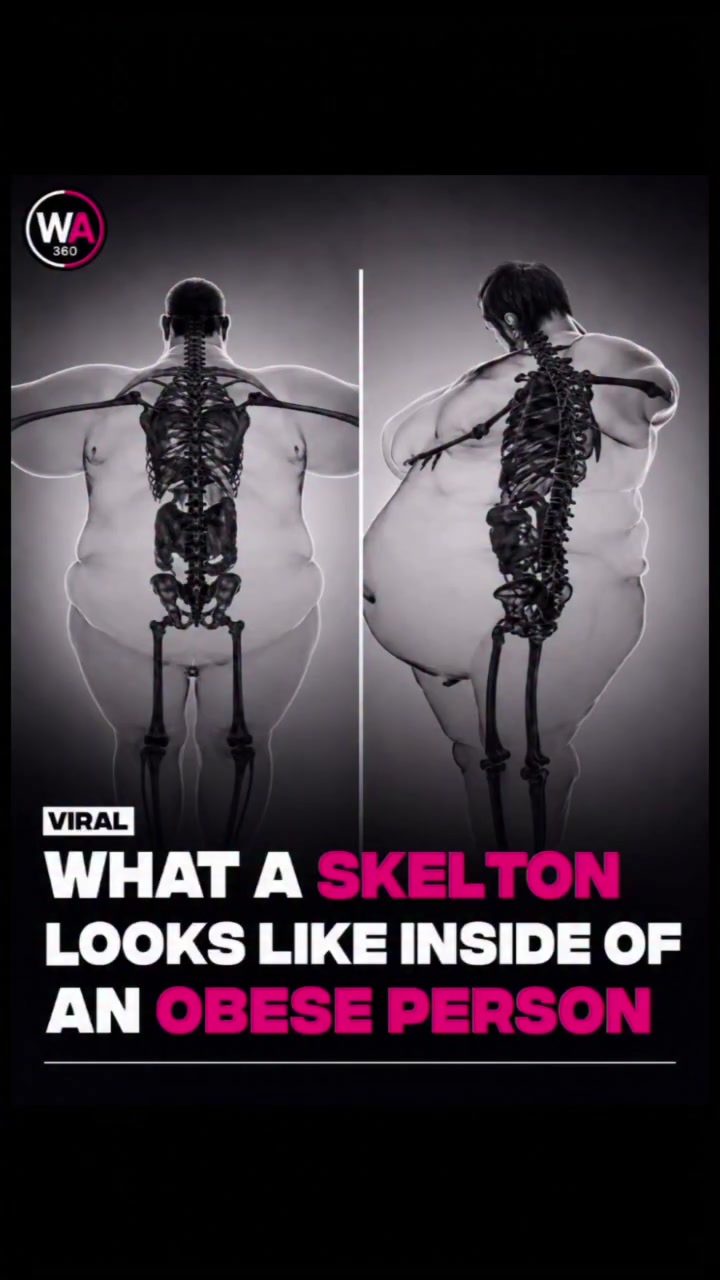
The Hidden Reality of Obesity: What Lies Beneath
Obesity is more than a change in appearance—it places tremendous stress on the body's entire skeletal system. As body weight increases, the spine, hips, knees, and joints must support far greater loads. This increased stress can contribute to chronic pain, reduced mobility, joint degeneration, and posture-related problems over time.
Understanding the internal effects of obesity is crucial for recognizing the importance of maintaining a healthy lifestyle. This visual comparison of a skeleton to the internal structure of an obese person provides a powerful perspective on how excess weight affects the body's framework.
Why This Matters
Obesity is a complex health issue that goes beyond aesthetics. Excess weight puts significant strain on the skeletal system, leading to various health complications. These complications not only affect mobility and quality of life but also increase the risk of developing chronic conditions.
The spine, hips, knees, and joints are particularly vulnerable to the impacts of excess weight. When a person carries additional weight, these areas must support a heavier load, leading to inflammation, wear and tear, and potential deformation. This can result in chronic pain, limited mobility, and a higher risk of injuries, particularly in the lower back and lower extremities.
Main Discussion
The Skeletal System and Excess Weight
The skeletal system provides the structural framework for the body, protecting internal organs and facilitating movement. However, when excess weight is present, the skeletal system is forced to bear more than its designed capacity. This excess load can lead to various issues, including:
- Spinal Deformation: The spine must support the weight of the body, so excess weight can lead to spinal curvature issues like scoliosis and lordosis. This can cause chronic back pain and mobility issues.
- Joint Wear and Tear: Joints are particularly vulnerable to increased weight, leading to conditions like osteoarthritis. Over time, the cartilage in the joints can wear down, causing pain, stiffness, and reduced mobility.
- Posture-Related Problems: Excess weight can pull the body out of alignment, leading to poor posture. This can cause muscle imbalances, strain, and chronic pain.
- Internal Organ Stress: The increased weight puts pressure on internal organs, which can lead to various health problems, including digestive issues, respiratory problems, and even cardiovascular issues.
Visualizing the Impact
Visual representations, such as comparing a skeleton to the internal structure of an obese person, can help illustrate the extent of the impact. These visuals highlight how excess weight can alter the body's internal framework, straining the skeleton and internal organs. This comparison helps to convey the real effects of obesity, emphasizing the need for preventative measures and lifestyle changes.
The Effects of Excess Weight on Different Parts of the Body
The impact of excess weight on the skeletal system varies depending on the specific body part:
-
Spine: The spine is a critical component of the skeletal system, responsible for supporting the body and facilitating movement. Excess weight can contribute to spinal curvature issues, leading to chronic back pain and mobility issues.
-
Hips and Knees: The hips and knees are particularly vulnerable to the effects of excess weight. These joints bear a significant amount of weight and are subjected to increased stress during activities like walking, running, and standing. Over time, the increased load can contribute to joint degeneration, leading to pain, stiffness, and reduced mobility.
-
Joints: Joints are critical for movement, and excess weight can place additional stress on them. This increased stress can lead to joint degeneration, inflammation, and a higher risk of injuries.
Practical Tips
Lifestyle Choices for a Healthier Skeleton
Maintaining a healthy lifestyle is essential for mitigating the effects of obesity on the skeletal system. Here are some practical tips to help you stay healthy:
-
Balanced Nutrition: A balanced diet rich in essential nutrients can support bone health and overall well-being. Include foods like leafy greens, dairy, and lean proteins in your diet.
-
Regular Physical Activity: Engaging in regular physical activity can help maintain a healthy weight and strengthen the skeletal system. Aim for at least 30 minutes of moderate exercise most days of the week.
-
Quality Sleep: Getting adequate sleep is crucial for overall health, including the health of the skeletal system. Ensure you get 7-9 hours of quality sleep each night.
-
Consistent Health Check-Ups: Regular health check-ups can help detect any underlying issues early, allowing for timely intervention. Schedule regular appointments with your healthcare provider to monitor your health.
Preventative Measures for a Healthier Skeleton
Preventative measures can help reduce the risks associated with obesity and its impact on the skeletal system. These measures include:
- Maintaining a Healthy Weight: Aim to maintain a healthy weight through a balanced diet, regular exercise, and adequate sleep. This can help reduce the stress on the skeletal system and prevent related issues.
- Strengthening Exercises: Engage in strength-training exercises to improve muscle strength and bone density. These exercises can help support the skeletal system and reduce the risk of injuries.
- Posture Improvement: Pay attention to your posture to distribute weight evenly and reduce strain on the skeletal system. Regular posture checks and exercises can help maintain good posture.
- Avoid Excessive Load: Avoid activities that place excessive stress on the skeletal system, such as heavy lifting or high-impact exercises. Opt for low-impact activities like swimming or cycling.
Important Takeaways
The internal effects of obesity on the skeletal system are significant and far-reaching. Understanding these impacts can motivate individuals to take proactive steps toward maintaining a healthy lifestyle. By adopting balanced nutrition, regular physical activity, quality sleep, and consistent health check-ups, you can reduce the risks and improve overall well-being.
Every positive step, no matter how small, can make a meaningful difference in long-term health. Whether it's choosing healthier food options, embarking on a fitness routine, or simply taking the time for regular check-ups, these actions can significantly enhance your overall well-being.
Conclusion
Obesity is more than a change in appearance—it places tremendous stress on the body's entire skeletal system. By recognizing the internal effects of excess weight, you can take proactive steps to mitigate these risks and improve your overall health. Maintaining a healthy lifestyle through balanced nutrition, regular physical activity, quality sleep, and consistent health check-ups can support your skeletal system and enhance your well-being.
Watch the Reel
Questions readers ask
How does obesity specifically affect the spine?
Obesity can lead to increased pressure on the spine, potentially causing chronic pain and posture-related issues. This extra weight can also contribute to degenerative disc disease and other spinal conditions, such as herniated discs and scoliosis. To mitigate these effects, maintaining a healthy weight is crucial for spinal health.
What are the primary ways obesity impacts joint health?
Excess weight places significant stress on joints, particularly the hips and knees. This increased load can accelerate joint degeneration and lead to conditions like osteoarthritis. Additionally, obesity can cause or exacerbate chronic pain and reduce mobility, making daily activities more challenging.
How does obesity influence the overall skeletal system?
Obesity exerts tremendous pressure on the entire skeletal system, not just isolated areas. This stress can result in bone degeneration and increased risk of fractures. Visually understanding this internal stress can highlight the importance of managing weight to preserve overall bone health and structure.
Can obesity lead to mobility issues, and if so, how?
Yes, obesity can significantly impact mobility. The excess weight makes it harder to move around, leading to reduced physical activity. Over time, this can create a vicious cycle where decreased mobility contributes to further weight gain and additional strain on the joints and bones.
What are some health risks obese people face regarding their skeletal system?
Obese individuals are at a higher risk for chronic pain, joint degeneration, and spinal health issues. The increased stress on the skeletal system can lead to conditions such as osteoarthritis, herniated discs, and scoliosis. These conditions can severely impact quality of life and overall health.
How can visual aids help in understanding the impact of obesity on bone structure?
Visual aids, such as comparisons of a healthy skeleton to an obese person's internal structure, provide a clear and powerful perspective. These visuals can help illustrate how excess weight affects the body's framework, highlighting areas under increased stress and the potential for bone and joint degeneration.
What steps can be taken to take care of joints and bones when a person is obese?
To protect joints and bones, obese individuals should focus on gradual weight loss through a balanced diet and regular exercise. Low-impact activities like swimming and cycling can help reduce stress on joints while promoting overall health. Additionally, maintaining proper posture and using assistive devices when needed can help alleviate some of the strain on the skeletal system.
Related deep dives
Similar reads based on topic and creator.

Recent articles
Fresh deep dives from the latest Reels we unpacked.




Comments
Be the first to comment.