The Lunula: Decoding the Little-Known Health Insights Hidden in Your Nails
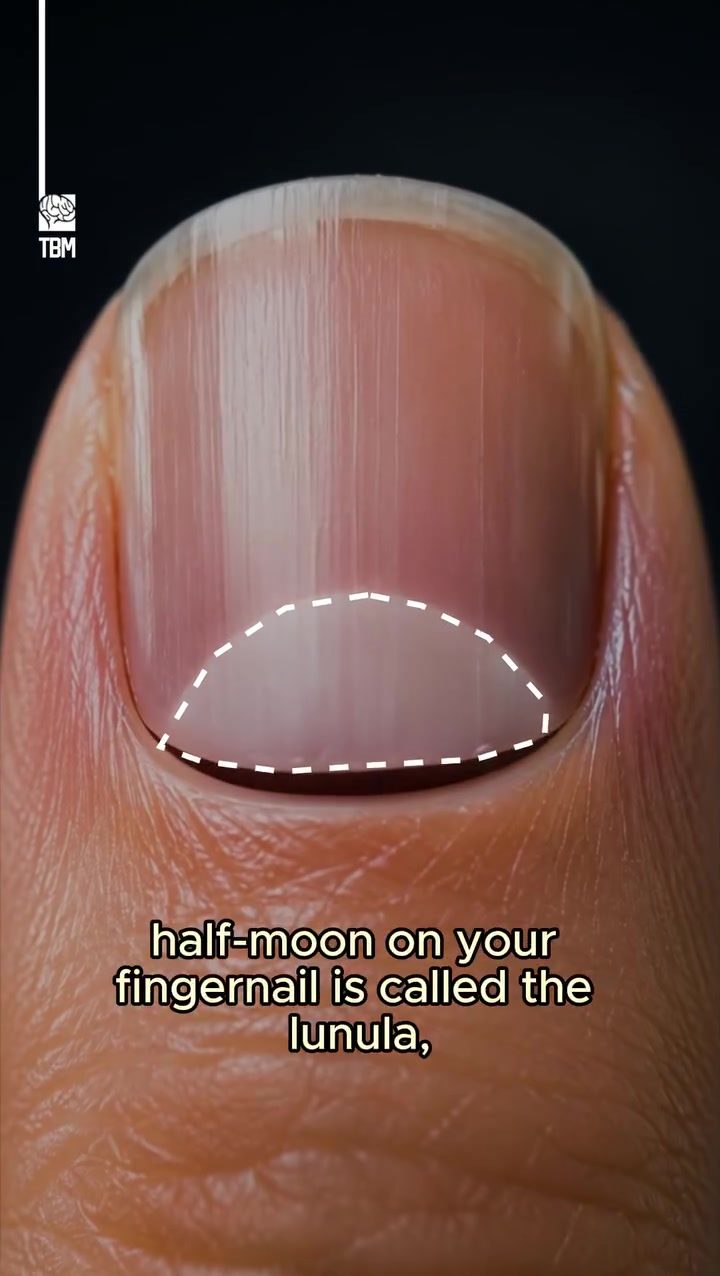
The lunula, the pale, half-moon shaped area at the base of your fingernail, serves as a window into your overall health. While its size can vary naturally, changes in its color might indicate underlying health conditions. Let's delve into what the lunula is, its significance, and what to look out for.
Why This Matters
The lunula is more than just an aesthetic feature; it is the visible part of the nail matrix, where new nail cells are constantly produced. Understanding the nuances of the lunula can provide valuable insights into your health. Changes in its appearance, particularly in color, can sometimes signal various health conditions.
Understanding the Lunula
Anatomy and Function
The lunula is the whitish, crescent-shaped area at the base of your fingernail. It is the visible part of the nail matrix, the region where new nail cells are generated. These cells gradually harden and push out older cells, contributing to the growth of the nail. For most people, the lunula appears whitish because the tissue in this area is thicker, making the blood vessels underneath less visible. However, the size and visibility of the lunula can vary from person to person; some individuals may barely have a visible lunula at all.
Color Variations and Their Meanings
Changes in the color of the lunula can sometimes offer clues about your health. Let's explore some of the key color variations and their potential implications:
Whitish Lunula
A whitish lunula is the most common and is generally considered normal. This color indicates that the tissue is thicker, obscuring the blood vessels underneath. It is a sign of healthy nail growth and is typically nothing to worry about.
Bluish Lunula
A bluish lunula can be a cause for concern. This discoloration may suggest reduced oxygen levels in the blood, a condition known as cyanosis. If you notice a bluish tint in your lunula, it is advisable to consult a healthcare professional for further evaluation.
Red Lunula
A red lunula can be associated with certain cardiovascular or inflammatory conditions. This color change indicates increased blood flow to the area, which could be due to various underlying issues. If you observe a red lunula, it is important to consult a medical professional to determine the cause.
Yellow Lunula
A yellow tint in the lunula can occasionally occur with fungal infections or some systemic illnesses. Yellowing may also be a sign of jaundice, a condition characterized by the yellowing of the skin and eyes due to the buildup of bilirubin. If you notice a yellow lunula, especially if accompanied by other symptoms, seek medical advice.
Absent Lunula
An absent lunula can sometimes be seen in individuals with nutritional deficiencies or chronic diseases. While an absent lunula is often perfectly normal, it can sometimes indicate underlying health issues. If you notice that your lunula has disappeared, it might be worth discussing with a healthcare provider.
Causes of Lunula Discoloration
While the lunula's color can vary naturally, certain factors can cause discoloration. Some common causes include:
- Nutritional Deficiencies: Lack of essential vitamins and minerals can affect nail health, leading to changes in the lunula's appearance.
- Chronic Diseases: Conditions like anemia, liver disease, and thyroid disorders can impact nail health and cause discoloration.
- Fungal Infections: Fungal infections can affect the nail bed, leading to changes in the lunula's color.
- Vascular Conditions: Issues affecting blood flow, such as peripheral artery disease, can cause discoloration in the lunula.
Practical Tips for Maintaining Nail Health
Maintaining overall nail health can help ensure that your lunula remains in good condition. Here are some practical tips:
Balanced Diet
A balanced diet rich in vitamins and minerals is essential for nail health. Foods high in biotin, such as eggs, nuts, and whole grains, can promote nail growth and strength. Additionally, consuming foods rich in iron, zinc, and calcium can help maintain healthy nails.
Hydration
Staying hydrated is crucial for overall health, including nail health. Drinking plenty of water can help keep your nails hydrated and prevent brittleness.
Regular Nail Care
Regular nail care practices, such as keeping your nails clean and trimmed, can help prevent infections and maintain nail health. Avoiding harsh chemicals and using gloves when handling harsh substances can also protect your nails.
Medical Evaluation
If you notice persistent changes in your lunula's color or other nail abnormalities, it is important to seek medical evaluation. A healthcare professional can help determine the underlying cause and provide appropriate treatment.
Important Takeaways
- The lunula is the visible part of the nail matrix, where new nail cells are produced.
- Changes in the lunula's color can sometimes indicate underlying health conditions.
- Common color variations include whitish, bluish, red, yellow, and absent lunulas, each with potential health implications.
- Maintaining a balanced diet, staying hydrated, and practicing regular nail care can help keep your nails healthy.
- If you notice persistent changes in your lunula, consult a healthcare professional for evaluation.
Conclusion
The lunula offers a fascinating glimpse into your overall health. By paying attention to changes in its color and appearance, you can gain valuable insights into your well-being. Maintaining good nail health through proper nutrition, hydration, and regular care can help ensure that your lunula remains in good condition. If you notice any persistent changes, do not hesitate to seek medical evaluation to address any underlying issues promptly.
Watch the Reel
Questions readers ask
What does a bluish lunula indicate about my health?
A bluish lunula can suggest reduced oxygen levels in the blood, which may be due to conditions like respiratory issues or anemia. If you notice this change, it's important to consult a healthcare professional for further evaluation.
Why is the color of the lunula important for understanding nail health?
The color of the lunula can serve as a vital sign of overall health. Changes in its color might indicate underlying health conditions, making it a useful indicator for monitoring your well-being. Regularly checking the color of your lunula can help you stay proactive about your health.
What should I do if I notice a change in the color of my lunula?
If you observe any unusual changes in the color of your lunula, such as it turning bluish, white, or any other unusual color, it's important to pay attention. Make a note of the change and consult a healthcare professional for a thorough examination. Early detection can lead to better management of potential health issues.
Can a white lunula indicate any health issues?
A white lunula can sometimes indicate health issues such as anemia. However, it can also be a natural variation. If the whiteness is accompanied by other symptoms like fatigue or pale skin, it might be worth consulting a doctor.
What is the lunula, and why is it significant for health monitoring?
The lunula is the pale, half-moon shaped area at the base of your fingernail. It is the visible part of the nail matrix, where new nail cells are produced. Monitoring the lunula can provide insights into your overall health, as changes in its appearance can signal various health conditions.
Are there any specific tips for maintaining healthy lunulas?
Maintaining overall nail health can help keep your lunulas healthy. Ensure you have a balanced diet rich in vitamins and minerals, stay hydrated, and avoid harsh chemicals that can damage your nails. Regular nail care and avoiding habits like nail-biting can also contribute to nail matrix health.
What does it mean if the lunula is not visible on my fingernails?
A lunula that is not visible on your fingernails does not necessarily indicate a health issue. Many people naturally do not have visible lunulas. However, if you notice a change from previously visible lunulas to no longer visible, it might be worth consulting a healthcare professional to rule out any potential health concerns.
Related deep dives
Similar reads based on topic and creator.


Recent articles
Fresh deep dives from the latest Reels we unpacked.




Comments
Be the first to comment.