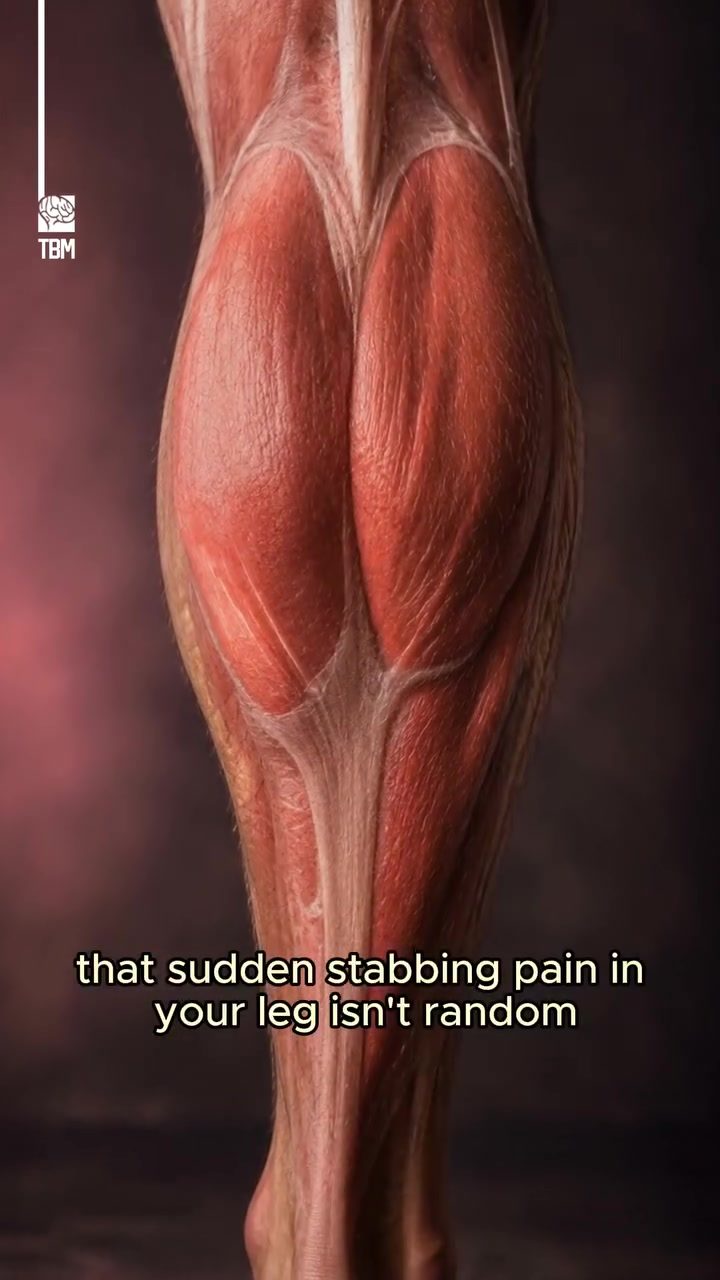
Muscle Cramps Explained
Muscle cramps are a common, yet often misunderstood, phenomenon. They can strike at any moment, turning a simple movement into an intense, painful experience. Understanding the underlying causes and triggers can help manage and prevent these painful spasms.
Why This Matters
Muscle cramps can disrupt daily activities, interfere with sports performance, and even affect sleep quality. By gaining a deeper understanding of what causes muscle cramps and how to address them, you can significantly improve your overall well-being and maintain an active, pain-free lifestyle.
What Happens During a Muscle Cramp
The Physiology of Muscle Cramps
A muscle cramp occurs when muscle fibers contract hard and refuse to relax, resulting in intense pain and tightness. This sudden, involuntary contraction can happen in various situations: during exercise, sleep, or even while sitting still. When a cramp occurs, the muscle becomes stiff, which may visibly twitch or bulge under the skin. Most cramps are short-lived, lasting from seconds to minutes, and typically fade as the muscle eventually releases and returns to normal.
Common Triggers
Several factors can trigger muscle cramps:
-
Dehydration: Insufficient water intake can lead to muscle cramps, especially during physical activities. Proper hydration is crucial for maintaining muscle function.
-
Low Mineral Levels: Deficiencies in electrolytes, particularly potassium and magnesium, can contribute to muscle cramps. These minerals are essential for nerve and muscle function, and their imbalances can lead to spasms.
-
Poor Circulation: Inadequate blood flow to the muscles can cause cramps. This is common in individuals with circulatory issues or those who sit for extended periods.
-
Muscle Fatigue: Overuse or straining of muscles can lead to cramps. This is often seen in athletes or anyone engaged in intense physical activities.
Practical Tips
Prevention Strategies
Maintaining a balanced lifestyle can significantly reduce the occurrence of muscle cramps. Here are some practical tips:
-
Stay Hydrated: Drink plenty of water, especially during and after physical activities. Electrolyte-rich beverages can also be beneficial.
-
Maintain Mineral Levels: Ensure your diet includes foods rich in potassium and magnesium, such as bananas, leafy greens, and nuts. Consult a healthcare provider if you suspect a mineral deficiency.
-
Regular Exercise: Incorporate a regular exercise routine to improve muscle strength and endurance. Gradual warm-ups and cool-downs can also help prevent cramps.
-
Proper Posture: Maintain good posture while sitting or standing to promote better circulation and reduce muscle strain.
Immediate Relief
When a muscle cramp strikes, here are some immediate strategies to find relief:
-
Stretch the Muscle: Gentle stretching can help release the contraction and alleviate pain. For example, if you experience a calf cramp, try stretching the calf muscle by pulling your toes toward your knees.
-
Massage: Lightly massaging the affected area can help relax the muscle and reduce cramping.
-
Heat or Cold: Applying a heating pad or ice pack to the cramped muscle can provide relief. Some individuals prefer heat, while others find cold more soothing.
-
Hydrate: Drink water or an electrolyte-rich beverage to help replenish lost fluids and minerals.
Important Takeaways
Recognizing the Signs
Understanding the signs of muscle cramps can help you act quickly to alleviate the pain:
- Sudden Pain: The onset of muscle cramps is typically characterized by a sudden, sharp pain.
- Tightness: The affected muscle will feel tight and stiff.
- Visible Twitching: In some cases, the muscle may visibly twitch or bulge under the skin.
Long-Term Management
Managing muscle cramps involves a combination of preventive measures and immediate relief strategies. Maintaining a balanced diet, staying hydrated, and engaging in regular physical activity are key to preventing these painful spasms. If muscle cramps are frequent or severe, consulting a healthcare provider can help identify any underlying health issues that may be contributing to the problem.
Conclusion
Muscle cramps are a common occurrence that can disrupt daily activities and cause significant discomfort. By understanding the underlying causes and triggers, you can take proactive steps to prevent and manage these painful spasms. Whether through hydration, balanced nutrition, or targeted exercises, there are many strategies available to help keep muscle cramps at bay. Implementing these tips can lead to a more active, pain-free lifestyle, enhancing overall well-being and performance.
Watch the Reel
Questions readers ask
What are the most common causes of sudden muscle cramps?
Muscle cramps can be caused by several factors, including dehydration, mineral deficiencies (such as low levels of potassium, magnesium, or calcium), poor circulation, and muscle fatigue. Overuse of a muscle, particularly during physical activity, can also lead to sudden cramps, as well as holding a position for an extended period.
How can dehydration lead to muscle cramps?
Dehydration reduces the body's electrolytes, which are essential for proper muscle function. When electrolyte levels are imbalanced, muscles can't relax and contract normally, resulting in painful spasms. Staying hydrated, especially during and after physical activity, can help prevent dehydration-induced muscle cramps.
Why do leg cramps often occur at night?
Nocturnal leg cramps can be caused by several factors, including poor circulation, dehydration, and mineral deficiencies. Prolonged sitting or lying in an awkward position can also trigger cramps. Additionally, some medications and certain medical conditions may increase the risk of nighttime leg cramps.
How can I prevent muscle cramps during exercise?
To prevent muscle cramps during exercise, make sure to warm up properly before starting your workout and cool down afterward. Stay hydrated, and consider adding electrolyte-rich fluids, especially for intense or prolonged physical activity. Additionally, ensuring you have a balanced diet with adequate mineral intake can help reduce the risk of exercise-induced cramps.
What can I do to alleviate muscle cramps when they happen?
When a muscle cramp occurs, gently stretch the affected muscle and hold the stretch until the cramp subsides. Massaging the cramped muscle can also help alleviate pain and promote relaxation. Applying heat or cold, depending on your preference, may provide additional relief. If cramps are frequent or severe, consult a healthcare professional for personalized advice.
Are there specific foods that can help prevent random muscle cramps?
Consuming a balanced diet rich in minerals like potassium, magnesium, and calcium can help prevent random muscle cramps. Foods high in these minerals include bananas, leafy greens, nuts, seeds, and dairy products. Staying hydrated and maintaining a balanced diet can help reduce the frequency and intensity of muscle cramps.
Can muscle cramps be a sign of an underlying medical condition?
While muscle cramps are often harmless and can be attributed to common triggers, they can sometimes indicate an underlying medical condition. Conditions such as peripheral artery disease, nerve compression, or metabolic disorders may cause muscle cramps. If you experience frequent, severe, or unexplained cramps, it is important to consult a healthcare provider for a proper evaluation.
Related deep dives
Similar reads based on topic and creator.

Recent articles
Fresh deep dives from the latest Reels we unpacked.




Comments
Be the first to comment.