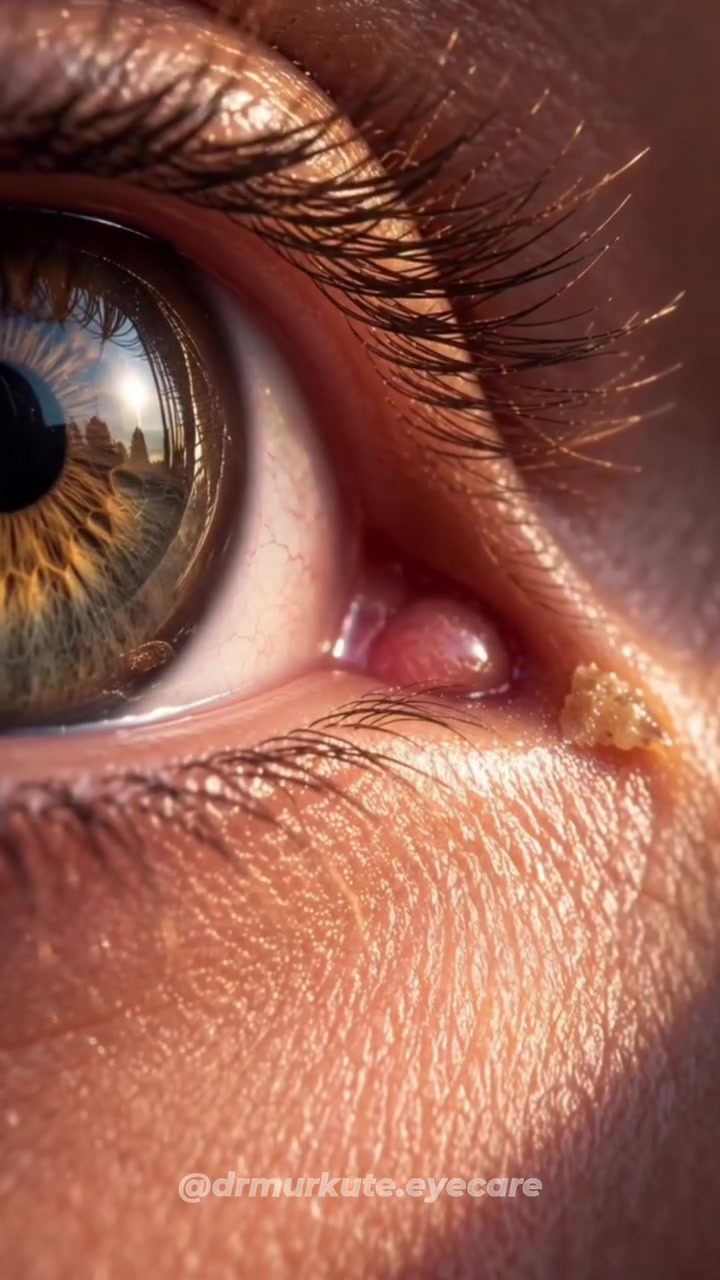
Eye discharge, often referred to as "sleep" or eye mucus, is a common occurrence when you wake up in the morning. While it might seem alarming, a small amount of this discharge is usually normal. Understanding the reasons behind eye discharge and when to seek medical attention can help maintain good eye health.
Eye discharge is a natural byproduct of your eyes' constant production of mucus, tears, and oils. During sleep, these substances accumulate in the corners of your eyes because you are not blinking. This buildup becomes more noticeable upon waking, often leading to that sticky, crusty feeling around your eyes. The discharge helps to keep your eyes lubricated and free from irritants while you sleep.
Why This Matters
Eye health is often overlooked, but it plays a crucial role in overall well-being. Knowing the normal functions of your eyes and recognizing when something is amiss can prevent minor issues from becoming serious problems. It is important to only use a doctor's advice to treat eye issues and not use any random medication or treatment.
Main Discussion
What Causes Normal Eye Discharge?
Eye discharge is primarily composed of mucus, tears, and oils that your eyes produce continuously. These substances form a thin, protective layer known as the tear film. The tear film is composed of three layers:
- Oil Layer: Produced by the meibomian glands in your eyelids, this layer helps prevent tears from evaporating too quickly.
- Watery Layer: Created by the lacrimal glands, this layer keeps your eyes moist and flushes out irritants.
- Mucus Layer: Produced by the conjunctival glands, this layer helps the tears stick to the surface of your eyes.
During sleep, the lack of blinking allows these substances to accumulate, resulting in the discharge you see in the morning.
When to Worry
While a small amount of eye discharge is normal, certain changes can indicate an underlying issue. If you notice any of the following, it may be a sign of an eye infection or other condition:
- Thick or Colored Discharge: Thick, yellow, or green discharge is often a sign of an infection, such as conjunctivitis (pink eye).
- Excessive Discharge: If the amount of discharge increases significantly, it could indicate an infection or inflammation.
- Accompanying Symptoms: If the discharge is accompanied by redness, pain, swelling, or blurred vision, it is important to seek medical attention. These symptoms can indicate a more serious condition, such as a corneal ulcer or a stye.
Understanding Eye Infections
Eye infections can occur for various reasons, including bacteria, viruses, or allergens. Here are some common eye infections and their symptoms:
- Bacterial Conjunctivitis (Pink Eye): Caused by bacteria, this infection leads to redness, itching, and a thick, yellow or green discharge. It is highly contagious and can spread easily through touch.
- Viral Conjunctivitis (Pink Eye): Caused by viruses, this type of conjunctivitis often results in a watery discharge, redness, and itching. It can be more contagious than bacterial conjunctivitis, as it is commonly associated with the same viruses that cause the common cold.
- Styes: These are bacterial infections of the oil glands in the eyelids, often resulting in a red, painful lump near the edge of the eyelid. Styes can cause a discharge similar to a pimple and may require medical treatment.
- Fungal Infections: Less common, fungal infections can occur in people with weakened immune systems or those who wear contact lenses. They may cause severe eye pain, redness, and a thick, white discharge.
Common Conditions
A close-up of an eye with what appears to be a stye or chalazion is a common visual representation of potential eye health concerns. A chalazion is a lump that forms due to the blockage of an oil gland in the eyelid. Unlike a stye, a chalazion is typically painless and may require medical intervention if it grows large enough to affect vision.
Maintaining Eye Health
Good eye hygiene is essential for preventing infections and maintaining overall eye health. Here are some practical tips to keep your eyes healthy:
- Avoid Touching Your Eyes: This can introduce bacteria and irritants into your eyes, leading to infections.
- Wash Your Hands Regularly: Clean hands help prevent the spread of germs that can cause eye infections.
- Replace Makeup Regularly: Eye makeup, such as mascara and eyeliner, can harbor bacteria. Replace these items every few months to minimize the risk of infection.
- Remove Contact Lenses Properly: Follow proper hygiene practices when handling contact lenses to avoid eye infections.
- Regular Eye Check-ups: Regular check-ups with an eye specialist can help detect and treat eye issues early.
Practical Tips
Home Remedies for Eye Discharge
For minor cases of eye discharge, you can try these home remedies:
- Warm Compress: Apply a warm compress to your eyes to help loosen and remove the discharge. This can also soothe any irritation.
- Artificial Tears: Over-the-counter artificial tears can help flush out any irritants and keep your eyes lubricated.
- Cleanse Your Eyelids: Use a gentle cleanser to clean your eyelids and remove any accumulated discharge. This can help prevent the buildup of bacteria and reduce the risk of infection.
When to See a Doctor
If your eye discharge persists or is accompanied by other symptoms, it is important to consult an eye specialist. They can provide a proper diagnosis and recommend the appropriate treatment. This may include:
- Antibiotics or Antiviral Medications: For bacterial or viral infections, your doctor may prescribe medications to clear the infection.
- Eye Drops or Ointments: These can help reduce inflammation and soothe the eyes.
- Surgical Intervention: In some cases, such as a large chalazion, surgical removal may be necessary.
Important Takeaways
- Normal eye discharge is a combination of mucus, tears, and oils that accumulate during sleep.
- Excessive, thick, or colored discharge, along with symptoms like redness and pain, can indicate an eye infection.
- Maintaining good eye hygiene, such as avoiding touching your eyes and washing your hands regularly, can help prevent infections.
- Consult an eye specialist if you experience persistent or worsening symptoms.
Conclusion
Eye discharge is a normal part of daily eye function, but it is important to recognize when it may indicate an underlying issue. By understanding the causes of eye discharge and taking steps to maintain good eye health, you can prevent minor issues from becoming serious. If you experience persistent or concerning symptoms, do not hesitate to consult an eye specialist for proper evaluation and treatment.
Watch the Reel
Questions readers ask
Why do I have eye discharge when I wake up?
Morning eye discharge occurs due to the accumulation of mucus, tears, and oils in your eyes while you sleep. These substances build up in the corners of your eyes because you blink less or not at all. It is a natural process and is usually a normal part of waking up.
Is morning eye discharge normal?
Yes, a small amount is often normal. It helps to keep your eyes lubricated and free from irritants during sleep. However, if the amount is excessive, or if the discharge is accompanied by other symptoms like pain, redness, or changes in vision, you should consult a healthcare professional.
What are the causes of excess eye discharge?
Excess eye discharge can be caused by a number of factors, including allergies, infections (such as conjunctivitis), dry eye syndrome, or blocked tear ducts. Certain medications, such as those used to treat glaucoma, can also lead to increased eye discharge.
How can I manage morning eye discharge?
Maintain good eye care routines, such as washing your hands before touching your eyes and using a warm, damp cloth to gently clean your eyelids and lashes in the morning. If you wear eye makeup, make sure to remove it thoroughly each night and replace it regularly.
When should I be concerned about eye discharge?
Seek medical attention if you experience a sudden increase in eye discharge, if it is accompanied by eye pain, redness, or a change in your vision, or if it persists for more than a week. These can be signs of an underlying condition that requires treatment.
Why do my eyes produce more discharge after waking up?
Because you blink less or not at all during sleep, mucus, tears, and oils accumulate in your eyes. This buildup, which is usually cleared away by blinking, remains in the corners of your eyes. Therefore, you often notice more discharge in the morning.
Should I use eye drops for morning eye discharge?
Eye drops may help if you have dry eye syndrome, as it can cause excessive discharge. However, it is best to consult with a healthcare professional before using eye drops. They can help determine the cause of your eye discharge and recommend the most appropriate treatment.
Recent articles
Fresh deep dives from the latest Reels we unpacked.




Comments
Be the first to comment.