Why Do Periods Happen Every Month?
Periods are a natural part of the menstrual cycle, occurring when the uterine lining sheds and leaves the body. This process involves several key biological steps that prepare the body for potential pregnancy each month. Understanding the underlying mechanisms can demystify periods and reduce stigma, encouraging a more respectful approach to women's health.
Context / Why This Matters
The menstrual cycle is a complex series of hormonal and physiological changes that occur to prepare the body for pregnancy. Each cycle typically lasts about 28 days, although this can vary. The cycle is divided into three main phases: the follicular phase, ovulation, and the luteal phase. During the luteal phase, if the egg isn't fertilized, the body begins to shed the uterine lining, resulting in menstruation. This process is essential for reproductive health and is a normal part of a woman's life from puberty until menopause.
Main Discussion
The Role of the Uterus
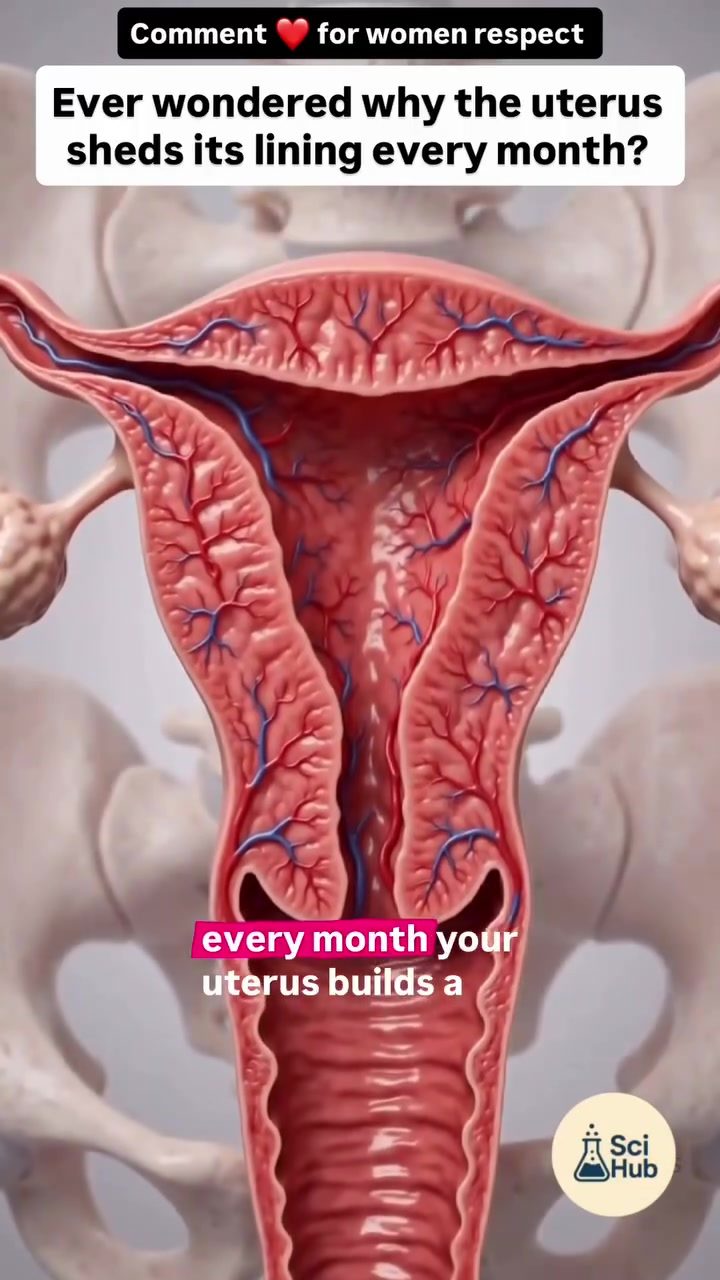
The uterus plays a central role in the menstrual cycle. Every month, the uterus builds a soft, nutrient-rich lining, known as the endometrium, to support a potential pregnancy. This lining is crucial because it provides the necessary environment for a fertilized egg to implant and develop.
What Happens When Pregnancy Doesn't Occur
When the egg is not fertilized, the body no longer needs the nutrient-rich lining. Hormonal changes, particularly a decrease in progesterone, signal the body to start shedding this lining. This shedding process is what we experience as menstruation. The uterine lining breaks down and is expelled from the body through the vagina, typically lasting between 3 to 7 days. Once the lining has been shed, the uterus begins to rebuild a new lining for the next cycle.
Hormonal Influences
Hormones play a critical role in the menstrual cycle. The primary hormones involved are estrogen and progesterone. Estrogen helps to build the uterine lining, while progesterone helps to maintain it. During the luteal phase, if the egg is not fertilized, progesterone levels drop, leading to the shedding of the uterine lining.
Estrogen
Estrogen levels rise during the follicular phase, stimulating the growth of the endometrium. This hormone is produced by the ovarian follicles and helps to prepare the uterine lining for potential implantation.
Progesterone
Progesterone, produced by the corpus luteum after ovulation, helps to thicken the endometrium and maintain it in a state ready for implantation. If fertilization does not occur, progesterone levels drop, triggering the shedding of the uterine lining.
Practical Tips
Understanding the menstrual cycle can help manage menstrual symptoms and promote overall health.
Tracking Your Cycle
Keeping track of your menstrual cycle can help you predict when your period will occur and monitor any changes in your cycle. This can be especially useful for planning and detecting any irregularities. You can use a menstrual calendar, app, or even a simple notebook to record the start and end dates of your periods.
Managing Symptoms
Menstrual symptoms can vary from person to person, but common symptoms include cramps, bloating, and mood swings. Over-the-counter pain relievers, heat pads, and gentle exercise can help alleviate these symptoms. Maintaining a healthy diet and staying hydrated can also make a significant difference.
When to See a Doctor
While periods are a normal part of reproductive health, there are instances when you should consult a healthcare provider. If you experience unusually heavy or painful periods, irregular cycles, or any other concerning symptoms, it's essential to seek medical advice. Early detection and treatment of potential issues can prevent more significant health problems down the line.
Important Takeaways
Menstruation is a natural and essential biological process that prepares the body for potential pregnancy. Understanding the role of the uterus and the influence of hormones can help demystify this process and promote better menstrual health. By recognizing the intricate mechanisms behind menstruation, we can replace myths with science and reduce the stigma surrounding women's health.
Conclusion
Menstruation is a natural and important part of a woman's reproductive health. By understanding the biological processes involved, we can replace misconceptions with facts and foster a more supportive and respectful environment for women. Whether you’re experiencing periods yourself or supporting someone who is, having a clear understanding of the menstrual cycle can make a significant difference.
Watch the Reel
Questions readers ask
What triggers the menstrual cycle to begin each month?
The menstrual cycle is initiated by the hypothalamus, a region of the brain, which releases gonadotropin-releasing hormone (GnRH). This hormone signals the pituitary gland to produce follicle-stimulating hormone (FSH) and luteinizing hormone (LH), which in turn stimulate the ovaries to prepare for potential pregnancy.
What happens to the uterine lining during the menstrual cycle?
The uterine lining, or endometrium, thickens in preparation for a potential pregnancy. If fertilization does not occur, the lining sheds and is expelled from the body as menstrual flow. This shedding is what constitutes a period.
How do hormones influence the menstrual cycle?
Hormones play a crucial role in the menstrual cycle. Follicle-stimulating hormone (FSH) and luteinizing hormone (LH) are key players. FSH stimulates the growth of follicles in the ovaries, while LH triggers the release of an egg during ovulation. Progesterone and estrogen also fluctuate throughout the cycle, preparing the body for pregnancy and maintaining the uterine lining.
What are the three main phases of the menstrual cycle?
The menstrual cycle is divided into three main phases: the follicular phase, ovulation, and the luteal phase. The follicular phase begins on the first day of menstruation and ends with ovulation. Ovulation is the release of an egg from the ovary. The luteal phase follows ovulation and ends with the start of the next menstrual period if pregnancy does not occur.
What causes the variation in cycle lengths among women?
The length of the menstrual cycle can vary due to several factors, including stress, illness, changes in weight, and hormonal imbalances. While the average cycle is about 28 days, it is normal for cycles to range from 21 to 35 days. Variations in the follicular phase often account for the differences in cycle length.
Why do some women experience heavier or lighter periods?
The amount of blood flow during a period can vary due to factors such as hormones, uterine lining thickness, and overall health. Some women may naturally have heavier or lighter periods due to genetic factors. Additionally, conditions like polycystic ovary syndrome (PCOS) or thyroid issues can affect menstrual flow. If there are significant changes in period flow, it is important to consult a healthcare provider.
What is the significance of ovulation in the menstrual cycle?
Ovulation is a critical event in the menstrual cycle when an egg is released from the ovary. This process is triggered by a surge in luteinizing hormone (LH). Ovulation marks the midpoint of the menstrual cycle and is essential for potential pregnancy, as it is the window during which fertilization can occur.
Recent articles
Fresh deep dives from the latest Reels we unpacked.




Comments
Be the first to comment.