The Meninges: The Brain's Protective Layers
The meninges are three protective layers that surround and support the brain. These layers play a crucial role in providing structural support, cushioning, and nourishment to the brain. Understanding the meninges is essential for grasping how the brain is protected and maintained within the skull.
Why This Matters
The meninges are vital for the brain's overall health and functionality. They act as a barrier against external impacts, help regulate the brain's environment, and ensure that the brain receives the necessary nutrients and oxygen. Any disruption or damage to these layers can have serious consequences, including brain injuries and neurological disorders. This is especially true for individuals engaging in high-risk activities or those with certain medical conditions.
The Meninges: Three Layers of Protection
The meninges consist of three distinct layers: the dura mater, the arachnoid mater, and the pia mater. Each layer has a unique structure and function, working together to provide comprehensive protection.
The Dura Mater
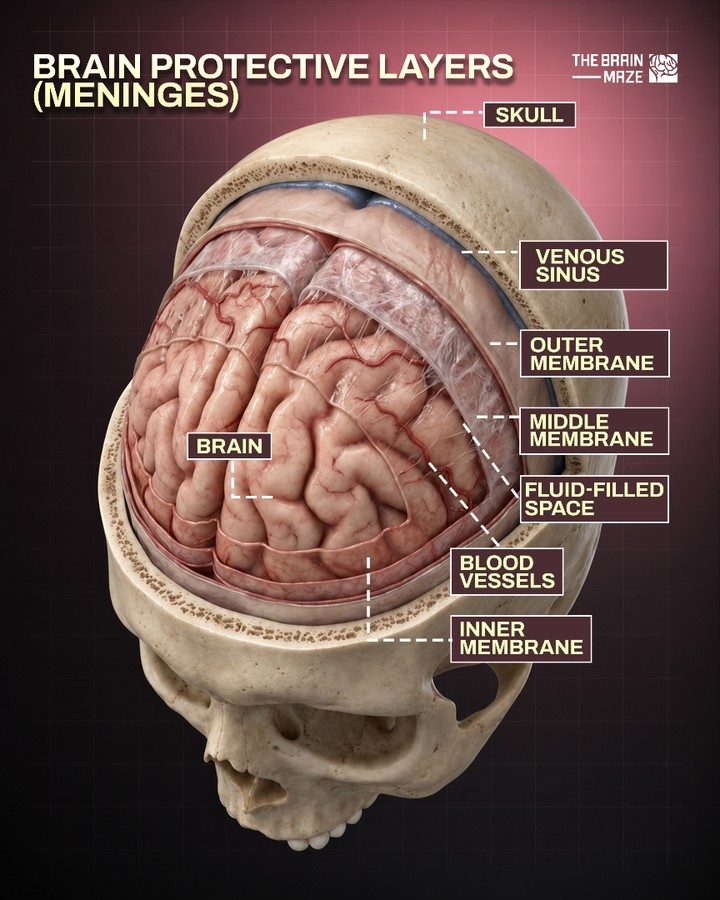
The dura mater, or outer membrane, is the toughest and most robust of the three layers. It provides structural support and protection to the brain. The dura mater is composed of dense, fibrous connective tissue, which gives it its strength. This layer also contains venous sinuses, which are channels that collect blood from the brain and drain it into the internal jugular veins. The dura mater is securely attached to the inner surface of the skull, providing a stable anchor for the brain.
The Arachnoid Mater
The arachnoid mater is a delicate, web-like membrane that forms the middle layer of the meninges. It is named for its spider-web-like appearance. The arachnoid mater creates a space known as the subarachnoid space, which is filled with cerebrospinal fluid (CSF). The arachnoid mater helps cushion the brain and allows it to float within the skull, reducing the risk of mechanical damage from impacts.
This space between the dura mater and the arachnoid mater is called the subdural space. The middle layer is separated from the pia mater by the subarachnoid space, which cushions the brain and allows it to float, reducing the risk of injury from impacts.
The Pia Mater
The pia mater is the innermost layer of the meninges, closely covering the brain's surface. It is a thin, transparent membrane that adheres to the brain's surface, following its contours. The pia mater contains blood vessels that supply the brain with oxygen and nutrients. Alongside the arachnoid mater, the pia mater helps to cushion the brain and protect it from minor impacts and vibrations.
Cerebrospinal Fluid and Blood Vessels
Between the layers of the meninges are spaces that contain cerebrospinal fluid (CSF) and blood vessels. These components play a critical role in the brain's protection and nourishment.
Cerebrospinal Fluid (CSF)
CSF is a clear, colorless fluid that circulates through the brain and spinal cord. It is produced by the choroid plexus, a network of blood vessels and specialized cells located in the ventricles of the brain. The primary functions of CSF are to cushion the brain, provide buoyancy, and maintain the brain's chemical balance. CSF helps to absorb shocks, reduces the pressure on the brain, and aids in the distribution of nutrients and waste products.
Blood Vessels
The meninges also contain a network of blood vessels that supply the brain with oxygen and nutrients. These vessels help maintain the brain's metabolic processes. The venous sinuses within the dura mater play a crucial role in draining deoxygenated blood away from the brain. Proper blood flow is essential for the brain's functionality and overall health.
Important Takeaways
The meninges are a critical component of the brain's protective mechanisms. Each layer—dura mater, arachnoid mater, and pia mater—plays a unique role in safeguarding the brain and ensuring it functions optimally. Understanding these layers and their functions can provide insight into various medical conditions and treatments.
Conclusion
The meninges are essential for the brain's protection, support, and nourishment. These three layers work together to cushion the brain, regulate its environment, and maintain its overall health. By understanding the meninges, we can better appreciate the complexity and resilience of the human brain. This knowledge is valuable for anyone interested in neurology, healthcare, and overall brain health.
Watch the Reel
Questions readers ask
What are the three layers of the meninges and their primary functions?
The three layers of the meninges are the dura mater, arachnoid mater, and pia mater. The dura mater is the outermost layer, providing structural support and cushioning. The arachnoid mater is the middle layer, which helps regulate the brain's environment by producing and circulating cerebrospinal fluid. The pia mater, the innermost layer, supplies essential nutrients and oxygen to the brain.
How does the meningeal blood supply contribute to brain health?
The meningeal blood supply is crucial for maintaining brain health as it provides oxygen and nutrients to the brain through the meninges. The blood vessels within these layers ensure that the brain receives a constant supply of essential resources, supporting its overall functionality and protecting against damage.
What is the meningeal space and why is it important?
The meningeal space, also known as the subarachnoid space, is the area between the arachnoid mater and the pia mater. It is filled with cerebrospinal fluid, which acts as a cushion, protecting the brain from impacts and helping to regulate the brain's environment. This space is vital for maintaining the brain's delicate balance and preventing injury.
What are the risks associated with damage to the meningeal layers?
Damage to the meningeal layers can have serious consequences, including brain injuries and neurological disorders. These layers act as a barrier against external impacts and help regulate the brain's environment. Any disruption to these protective layers can compromise the brain's health and functionality, particularly in high-risk activities.
What role does the dura mater play in protecting the brain?
The dura mater is the outermost and toughest layer of the meninges, providing essential structural support and cushioning to the brain. It acts as a barrier against physical impacts and helps to maintain the brain's shape and position within the skull, ensuring its overall protection and stability.
How do the meningeal layers contribute to maintaining the brain's environment?
The meningeal layers play a significant role in maintaining the brain's environment. The arachnoid mater, in particular, helps regulate the production and circulation of cerebrospinal fluid, which cushions the brain and provides a stable environment for its functioning. Additionally, the pia mater ensures that the brain receives essential nutrients and oxygen, supporting its overall health.
Related deep dives
Similar reads based on topic and creator.


Recent articles
Fresh deep dives from the latest Reels we unpacked.




Comments
Be the first to comment.