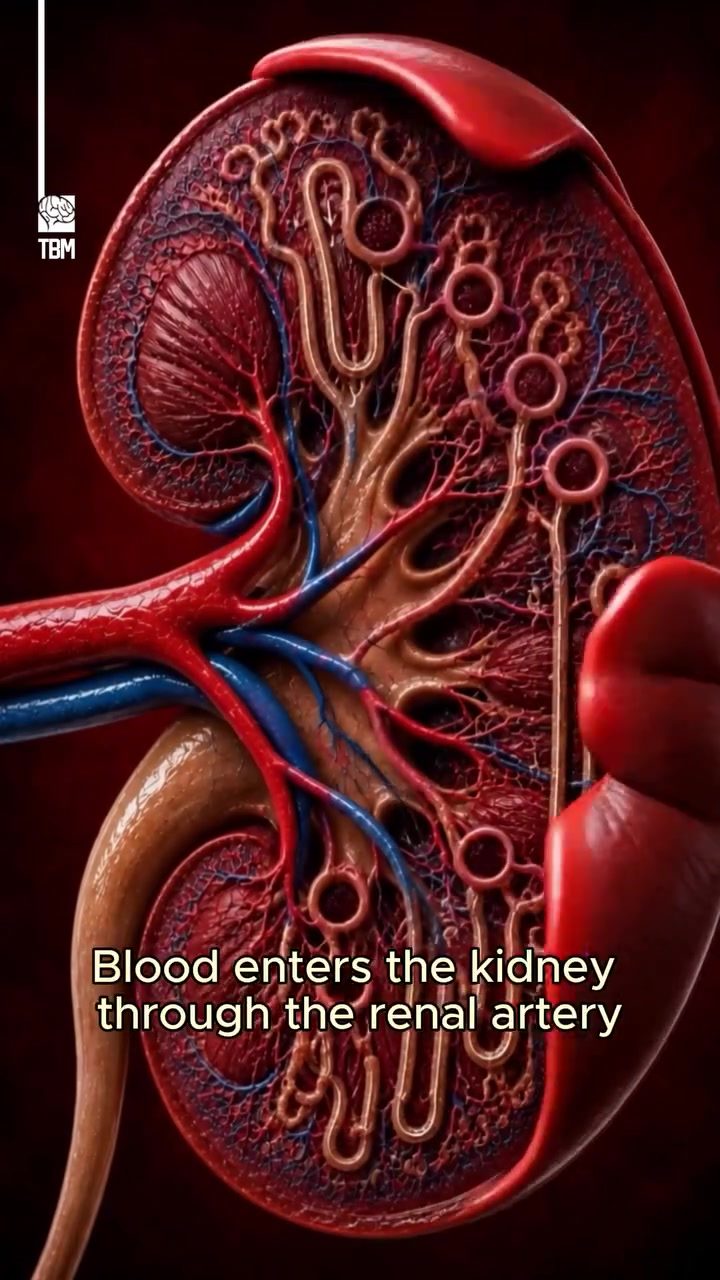
Kidney Filtration Process
Understanding how the kidneys filter blood is crucial for appreciating their role in maintaining overall health. The kidneys are responsible for a continuous process of filtering and balancing the body's fluids. This process involves several key steps, each designed to ensure that the body retains essential substances while eliminating waste products.
Why This Matters
The kidneys play a vital role in maintaining homeostasis, the body's internal balance. They filter blood, remove waste products, and regulate water, electrolyte, and acid-base balance. Understanding the filtration process can help you appreciate the complexities of kidney function and the importance of keeping these organs healthy.
The Filtration Process
Entry and Initial Filtration
Blood enters the kidneys through the renal arteries. These arteries branch into smaller and smaller vessels, eventually leading to millions of microscopic filtering units called nephrons. Inside the nephrons, a process of ultrafiltration begins. Pressure within the blood vessels pushes part of the blood's fluid into a filtering space, separating what the body needs to keep from what it needs to remove.
The Role of Nephrons
Each nephron is a tiny, complex structure that filters the blood. The process starts with a glomerulus, a network of capillaries that filters the blood. During this filtration, blood cells and proteins remain inside the bloodstream, while water, salts, nutrients, and waste move into the nephron. This initial filtrate contains both essential substances and waste products.
Reabsorption and Secretion
As the filtrate travels through the nephron, the kidney fine-tunes its composition. Essential substances like glucose, amino acids, and much of the water are reabsorbed back into the blood. This process ensures that the body retains necessary nutrients. Simultaneously, excess salts and extra water are adjusted depending on the body's needs, keeping internal balance stable.
Waste Removal
What remains after reabsorption is a concentrated waste fluid known as urine. This urine flows toward the renal pelvis, then into the ureter to be stored in the bladder. The cleaned blood, meanwhile, exits through the renal vein, ready to circulate again through the body. This continuous process ensures that the body's fluid balance and waste removal systems remain efficient.
Practical Tips for Maintaining Kidney Health
Maintaining kidney health is essential for overall well-being. Here are some practical tips to support your kidneys:
Hydration
Staying hydrated is crucial for kidney health. Water helps the kidneys filter waste products and toxins, as well as balance electrolyte levels.
Balanced Diet
A balanced diet rich in fruits and vegetables can support kidney function. Foods high in antioxidants, such as berries and leafy greens, can help reduce oxidative stress on the kidneys. Limiting processed foods, sugars, and excessive salt can also benefit kidney health.
Regular Exercise
Regular physical activity promotes overall health, including kidney function. Aim for at least 30 minutes of moderate exercise most days of the week.
Avoid Smoking and Limit Alcohol
Smoking and excessive alcohol consumption can damage the kidneys, so it's best to avoid these habits.
Regular Check-Ups
Regular medical check-ups can help detect kidney issues early. This is especially important for those with a family history of kidney disease or risk factors such as diabetes or high blood pressure.
Important Takeaways
- Kidneys Filter Blood Continuously: The kidneys continuously filter blood, removing waste products and maintaining fluid balance.
- Nephrons Are Key: Nephrons are the microscopic units responsible for filtering blood. They separate essential substances from waste.
- Reabsorption and Secretion: The kidneys reabsorb necessary substances and secrete excess salts and water, keeping the body's balance stable.
- Waste Removal: Waste products are turned into urine and stored in the bladder, while cleaned blood circulates back into the body.
Conclusion
The kidney filtration process is a complex, continuous operation that ensures the body retains essential substances while eliminating waste. Understanding this process can help you appreciate the importance of maintaining kidney health through proper hydration, a balanced diet, regular exercise, and avoiding harmful habits. Regular medical check-ups can also help detect any issues early, ensuring that your kidneys remain healthy and functional. By taking care of your kidneys, you support overall health and well-being.
Watch the Reel
Questions readers ask
What are the primary functions of the kidneys in blood filtration?
The kidneys primarily function to remove waste products, such as urea and creatinine, from the bloodstream. Additionally, they regulate the body's fluid and electrolyte balance, as well as maintain the proper pH levels, all of which are critical for overall health and homeostasis.
How do the kidneys filter blood?
Kidneys filter blood through a series of steps involving tiny units called nephrons. Blood enters the kidneys through the renal artery, gets filtered in the glomerulus, and then the filtrate moves through the nephron tubules, where essential substances are reabsorbed and waste products are excreted. This process ensures that the blood is cleansed and properly balanced before it exits the kidneys.
What role do nephrons play in the kidney filtration process?
Nephrons are the functional units of the kidneys responsible for filtering blood. Each nephron consists of a glomerulus and a renal tubule, which work together to filter blood and reabsorb essential substances. This micro-level filtration ensures that the blood is cleansed of waste products and rebalanced with essential nutrients and electrolytes.
What are the key steps in the kidney filtration process?
The key steps in the kidney filtration process include blood entering the kidneys through the renal artery, filtration occurring in the glomerulus, and the filtrate passing through the nephron tubules where essential substances are reabsorbed. The remaining waste products are then excreted as urine, ensuring that the blood is cleansed and properly balanced.
Why is fluid regulation important in the kidney filtration process?
Fluid regulation is crucial for maintaining the body's internal balance. The kidneys control the amount of water in the body by adjusting the volume of urine produced. Proper fluid regulation helps maintain blood pressure, supports vital organ function, and ensures that the body's systems operate efficiently.
How does the kidney filtration process help maintain overall health?
By continuously filtering and balancing the body's fluids, the kidney filtration process ensures that essential substances are retained while waste products are eliminated. This helps maintain homeostasis, supports vital organ function, and prevents the buildup of harmful toxins, all of which are essential for preserving overall health and well-being.
Can lifestyle changes affect the kidneys' ability to filter blood?
Yes, lifestyle changes such as staying hydrated, maintaining a balanced diet, and engaging in regular exercise can support kidney function. Conversely, factors like dehydration, poor diet, and sedentary habits can impair the kidneys' ability to filter blood effectively, leading to potential health issues.
Related deep dives
Similar reads based on topic and creator.

Recent articles
Fresh deep dives from the latest Reels we unpacked.




Comments
Be the first to comment.