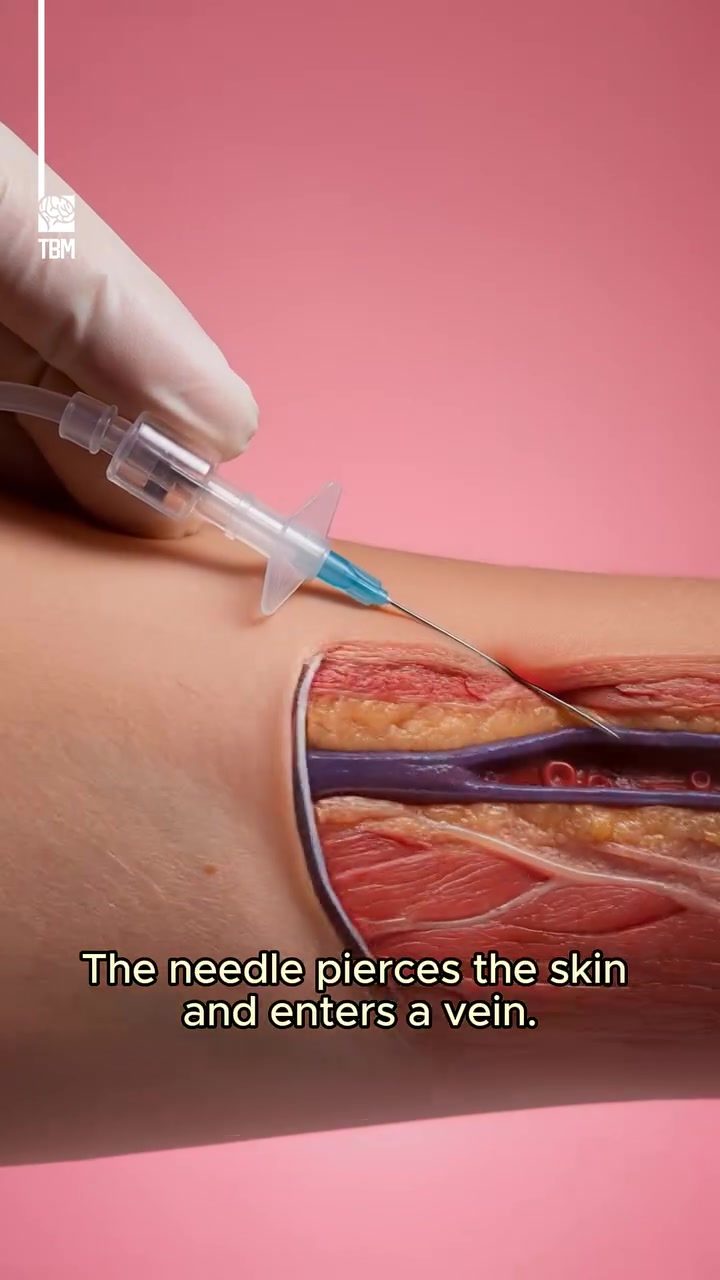
Intravenous Catheter Insertion
Intravenous (IV) catheter insertion is a common medical procedure that allows for the direct administration of fluids, medications, or nutrients into the bloodstream. This process involves several critical steps, each designed to ensure safe and effective delivery.
Why This Matters
Understanding the mechanics of IV catheter insertion is important for anyone who may receive this treatment. Whether you are a patient, a caregiver, or a healthcare professional, knowing what happens during the procedure can alleviate anxiety, ensure proper care, and promote better outcomes.
The IV Insertion Procedure
The Initial Entry
The IV insertion process begins with the insertion of a needle into a vein. The needle pierces the skin and enters the vein, usually in the arm. Once the tip of the needle reaches the bloodstream, blood flows backward into the device due to the pressure inside the vein. This "flash" of blood is a clear indicator that the needle is correctly placed within the vein.
The Role of the Needle
While the needle is rigid and essential for entering the vein, it is not designed to remain in place. Even a slight movement of the needle could potentially scrape or puncture the delicate vein wall. The primary function of the needle is to create an entry path for the catheter. Once this path is established, the needle is carefully removed, leaving a thin, soft, flexible plastic catheter in its place.
The Importance of the Catheter
The catheter, which is made of a flexible plastic material, is designed to bend with natural movement. This flexibility reduces the risk of damaging the vein, making it a safer alternative to keeping the rigid needle in place. However, even this soft catheter can still irritate the vein or partially slip out, potentially leading to IV fluid leakage into the surrounding tissue. To mitigate these risks, the catheter is carefully secured with tape or a dressing to minimize movement.
Securing the Catheter
To ensure that the IV catheter stays securely in place, medical professionals use tape or a dressing to secure it. This step is crucial in preventing the catheter from slipping out or moving around, which could cause discomfort or complications. Additionally, the protective cap is removed, and the IV tubing is connected, allowing for the administration of fluids or medications.
Tips for Managing an IV Catheter
Monitoring the Insertion Site
One of the most important tips for managing an IV catheter is to regularly monitor the insertion site. Look for signs of redness, swelling, or leakage, which could indicate an infection or other complications. If you notice any unusual symptoms, notify your healthcare provider immediately.
Ensuring Proper Securing
Make sure the catheter is properly secured with tape or a dressing. This will help prevent the catheter from moving around, which could cause discomfort or lead to complications. If the tape or dressing becomes loose, do not hesitate to contact a healthcare professional for assistance.
Keeping the Site Clean
Maintaining a clean insertion site is crucial in preventing infections. Follow your doctor's instructions for cleaning the site and changing the dressing regularly. Use mild soap and water or an antiseptic solution as recommended by your healthcare provider.
What to Do if You Experience Complications
Allergic Reactions
Although rare, some individuals may experience an allergic reaction to the materials used in the catheter or the adhesive. If you develop a rash, itching, or swelling around the insertion site, or experience difficulty breathing, seek medical attention right away.
Infection
Infection is a potential risk with any IV insertion. Signs of infection include redness, warmth, swelling, or pus at the insertion site, as well as fever or chills. If you suspect an infection, contact your healthcare provider immediately.
Leakage or Dislodgement
If the IV fluid starts to leak or the catheter becomes dislodged, do not attempt to fix it yourself. Instead, inform your healthcare provider right away. They can assess the situation and take appropriate measures to ensure your safety and comfort.
Important Takeaways
- The needle and catheter serve distinct roles: The needle creates the entry path, while the catheter delivers the fluids or medications.
- Proper securing is crucial: The catheter must be securely fastened to prevent movement and potential complications.
- Monitoring and cleanliness are key: Regularly check the insertion site for signs of infection or complications, and keep the area clean.
Conclusion
IV catheter insertion is a routine yet intricate procedure that requires careful execution and monitoring. By understanding the steps involved and taking proactive measures to ensure proper care, patients can minimize risks and ensure a smooth recovery. Whether you are a patient, caregiver, or healthcare provider, knowing the details of this procedure can greatly enhance the overall care experience.
Watch the Reel
Questions readers ask
How does IV catheter insertion help in delivering medications quickly?
IV catheter insertion allows medications to bypass the digestive system, entering directly into the bloodstream. This results in faster absorption, enabling rapid effects, which is especially crucial in emergency situations. The catheter placement inside a vein ensures the medication is distributed efficiently throughout the body.
What are the key steps involved in IV catheter insertion?
The IV catheter insertion procedure includes several steps: selecting an appropriate vein, cleaning the site, inserting the needle, placing the catheter, removing the needle, and securing the catheter. Each step is crucial for ensuring safe vein access, proper catheter placement, and minimizing complications during and after the procedure.
Why is proper IV catheter removal important?
Proper IV catheter removal helps to prevent complications such as bleeding, infection, and tissue damage. It involves carefully withdrawing the catheter, applying gentle pressure to the site, and covering it with a sterile dressing. Ensuring proper removal can speed up healing and reduce the risk of post-procedure issues.
What are the potential risks during IV catheter insertion?
Risks during IV catheter insertion can include pain, infection, hematoma, and nerve or vein damage. These risks are mitigated through proper technique, such as careful vein insertion, catheter placement, and maintaining hygiene. Understanding these risks helps patients and caregivers be vigilant about signs of complications.
Can IV catheters be used for delivering all types of fluids and medications?
IV catheters can deliver a wide range of fluids and medications, including saline, blood products, antibiotics, and nutrients. This versatility makes IV catheter insertion a versatile procedure for various medical needs. However, certain medications may be incompatible with IV administration and may require alternative routes.
How is the vein chosen for IV catheter insertion?
The vein for IV catheter insertion is chosen based on its accessibility, size, and condition. Common sites include the hand, arm, and foot. The chosen vein should be visible and easy to insert the catheter. The healthcare provider will assess the patient's veins to select the most suitable one and ensure successful needle insertion and catheter placement.
Related deep dives
Similar reads based on topic and creator.


Recent articles
Fresh deep dives from the latest Reels we unpacked.




Comments
Be the first to comment.