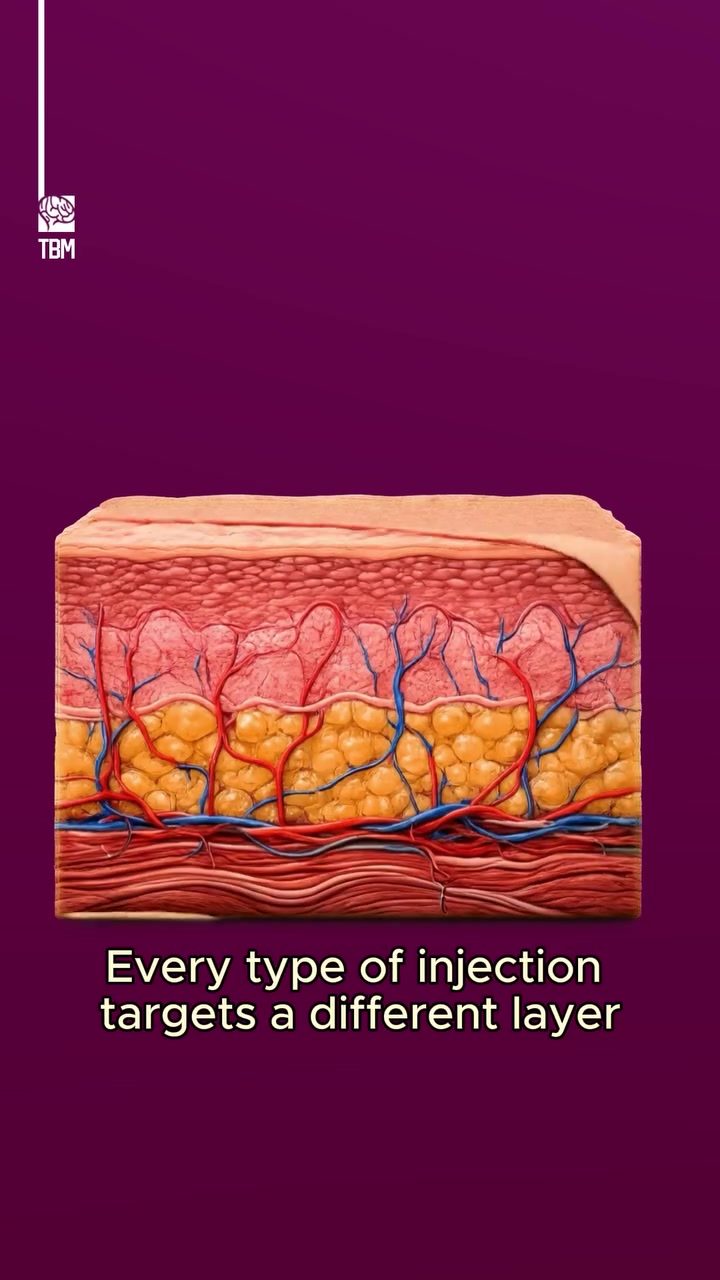
Injection Techniques
Injections are a common method of administering medications, but not all injections are created equal. Different types of injections target specific layers beneath the skin, and understanding these techniques is crucial for healthcare professionals to ensure the effectiveness and safety of treatments. Here, we delve into the various injection techniques, their applications, and the considerations that guide their use.
Context / Why This Matters
The correct administration of injections is vital for the efficacy of the medication and the well-being of the patient. Whether delivering insulin, emergency medications, or vaccines, the choice of injection technique affects how quickly and effectively the drug is absorbed into the body. Knowing the specifics of each type helps healthcare professionals choose the right method for different treatments, thereby minimizing complications.
Main Discussion
Intramuscular Injections
Intramuscular (IM) injections are delivered deep into the muscle tissue. These injections are typically given at a 90-degree angle to ensure the medication reaches the muscle layer. The rich blood supply in muscles allows for rapid absorption of the medication, making IM injections ideal for drugs that require quick action, such as certain vaccines or emergency medications.
Common sites for IM injections include the deltoid (shoulder), vastus lateralis (thigh), and gluteus medius (hip). The choice of site depends on the muscle mass, the volume of the drug, and the patient's comfort.
Subcutaneous Injections
Subcutaneous (SC) injections are administered into the fatty tissue just beneath the skin. They are usually given at a 45-degree angle to ensure the medication is deposited in the fatty layer rather than the muscle. SC injections are commonly used for medications like insulin and blood thinners, which need to be absorbed more slowly and evenly into the bloodstream.
This technique is also preferred for medications that do not require rapid absorption, such as certain hormonal treatments and allergy medications. The abdomen, upper arm, and thigh are common sites for SC injections.
Intravenous Injections
Intravenous (IV) injections are delivered directly into a vein, providing the fastest route for medication to enter the bloodstream. This method is crucial for emergency situations where immediate drug action is necessary, such as during cardiac arrests or severe allergic reactions. IV injections bypass the need for absorption and go straight into circulation.
IV injections require skilled administration to avoid complications like air embolisms or tissue damage. They are typically administered by trained healthcare professionals in clinical settings.
Intradermal Injections
Intradermal (ID) injections are placed just beneath the surface of the skin, usually at a shallow 10 to 15-degree angle. This technique is commonly used for allergy tests and tuberculosis (TB) screening, where a small amount of the drug is introduced to observe the skin's reaction.
ID injections are not typically used for general medication delivery due to their limited depth and the potential for inaccurate dosing. However, their importance lies in diagnostic procedures and certain immunizations that require a localized skin reaction.
Considerations for Choosing the Right Injection Type
Choosing the correct injection type involves several considerations, including the type of medication, the desired onset of action, and the patient's overall health. For instance, medications that require rapid absorption are best suited for IM or IV injections, while those needing slower, sustained release are better administered via SC injections.
Healthcare professionals must also consider the patient's muscle mass, fat distribution, and any potential complications. For example, patients with thin skin or poor muscle mass may require adjustments to the injection angle or site to ensure effective delivery.
Practical Tips
-
Preparation: Always use a clean, sterile needle and syringe. Wash your hands thoroughly and ensure the injection site is clean. Use an alcohol swab to disinfect the area before administering the injection.
-
Angle and Depth: Follow the correct angle and depth for each type of injection. Use 90 degrees for IM, 45 degrees for SC, and a shallow 10-15 degrees for ID injections.
-
Site Selection: Choose the appropriate injection site based on the type of injection and the medication. Common sites include the deltoid, vastus lateralis, and gluteus medius for IM injections; the abdomen, upper arm, and thigh for SC injections; and the forearm or upper back for ID injections.
-
Technique: Use a quick, firm motion to insert the needle. For SC and ID injections, pull the skin taut to make it easier to insert the needle at the correct angle.
-
Post-Injection Care: After administering the injection, apply gentle pressure to the site with a clean gauze or cotton swab. Dispose of the needle and syringe in a sharps container to prevent accidental injuries.
Important Takeaways
- Different Techniques: Each injection technique targets a different layer beneath the skin, affecting absorption rates and the type of medication delivered.
- Rapid Absorption: Intramuscular and intravenous injections are ideal for medications needing quick action.
- Sustained Release: Subcutaneous injections are best for medications requiring slower, sustained absorption.
- Diagnostic Use: Intradermal injections are primarily used for diagnostic purposes, such as allergy tests and TB screenings.
- Correct Technique: Understanding and using the correct techniques, angles, and sites are crucial for effective and safe medication delivery.
Conclusion
Injection techniques are a fundamental aspect of medical practice, influencing how effectively and safely medications are administered. By understanding the distinct characteristics of each type—from intramuscular to subcutaneous, intravenous to intradermal—healthcare professionals can choose the most appropriate method for each treatment. Whether delivering vaccines, insulin, or emergency medications, the correct injection technique ensures optimal drug absorption and patient care.
Watch the Reel
Questions readers ask
What are the main types of injections and what are their primary uses?
The main types of injections are intramuscular (IM), subcutaneous (SC), and intradermal (ID). Intramuscular injections are used for medications that need to be absorbed quickly, like some vaccines and antibiotics. Subcutaneous injections are ideal for medications that need to be absorbed more slowly, such as insulin. Intradermal injections are typically used for allergy testing and certain vaccines, like the TB skin test, because they target the skin layers right beneath the surface.
What is the correct angle for administering an intramuscular injection?
For an intramuscular injection, the correct angle is typically 90 degrees. This ensures that the medication is delivered directly into the muscle tissue, promoting quick absorption. Always use the Z-track method for larger volumes to prevent leakage and irritation.
How do subcutaneous and intramuscular injections differ in their application?
Subcutaneous injections are given at a 45- or 90-degree angle and target the fatty tissue just beneath the skin. Intramuscular injections, on the other hand, are administered at a 90-degree angle into the muscle tissue. Subcutaneous injections are generally used for medications like insulin, while intramuscular injections are used for vaccines and antibiotics that need to be absorbed more quickly.
What are the best practices for choosing an injection site?
Choosing the right injection site depends on the type of injection. For subcutaneous injections, common sites include the abdomen, upper arms, and thighs. For intramuscular injections, the deltoid muscle in the arm, the vastus lateralis in the thigh, and the gluteal muscles in the buttocks are commonly used. Always follow guidelines to prevent tissue damage and ensure effective medication delivery.
What are the key differences in how intradermal, subcutaneous, and intramuscular injections are administered?
Intradermal injections are given at a 5- to 15-degree angle to deliver medication just under the skin. Subcutaneous injections are given at a 45- or 90-degree angle to target the fatty tissue beneath the skin. Intramuscular injections are given at a 90-degree angle to deliver medication deep into the muscle tissue. Each technique is chosen based on the desired absorption rate and the type of medication.
How does the angle of injection affect medication delivery?
The angle of injection significantly affects where the medication is delivered within the body. A shallow angle, like 5-15 degrees, is used for intradermal injections to deliver medication just under the skin. A 45- or 90-degree angle ensures that the medication is delivered to the fatty tissue (subcutaneous) or muscle (intramuscular). Proper angle selection is crucial for effective medication delivery and minimizing complications.
Recent articles
Fresh deep dives from the latest Reels we unpacked.




Comments
Be the first to comment.