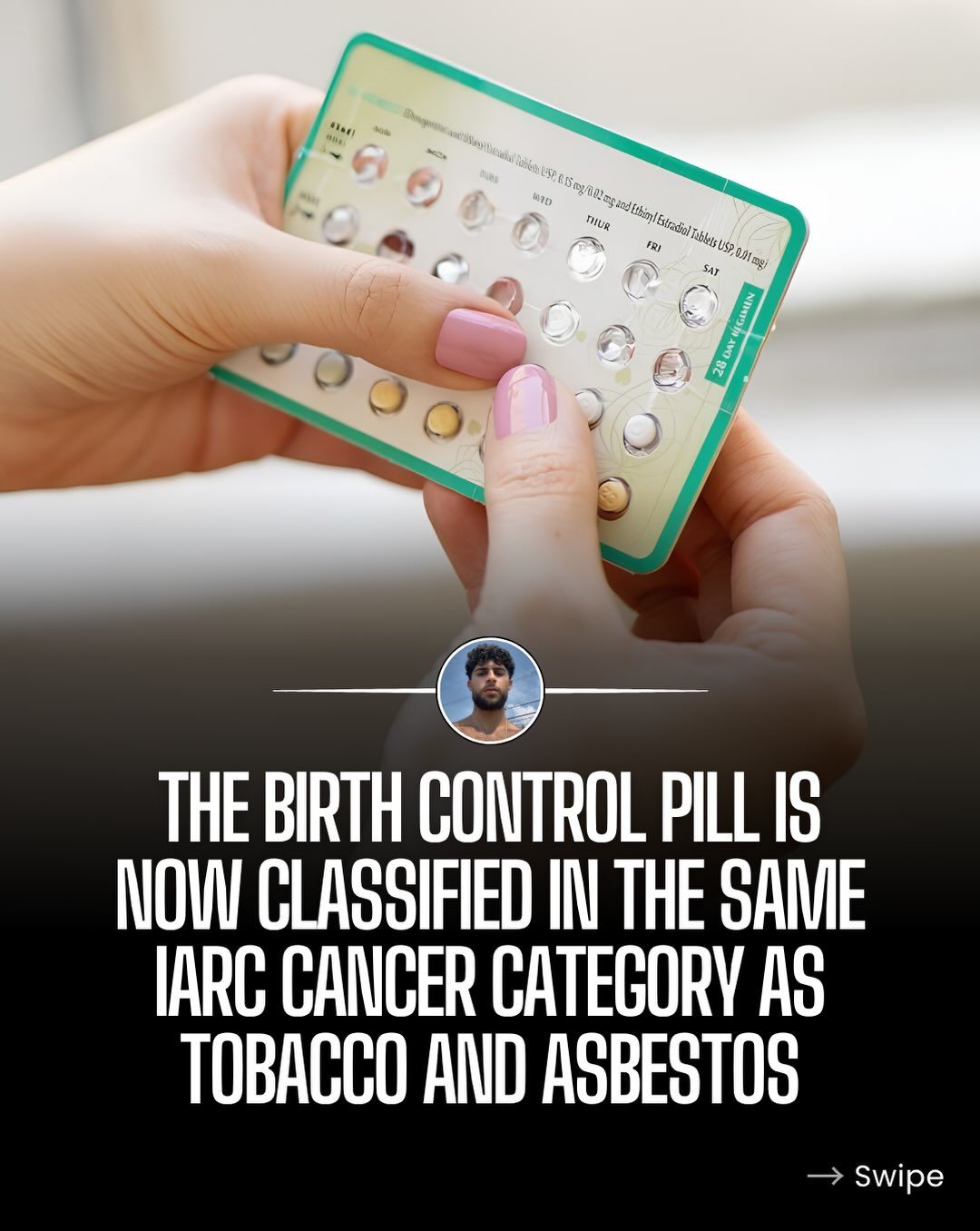
Birth Control Pill Classification
Birth control pills, particularly combined estrogen-progestogen oral contraceptives, have recently been classified by the International Agency for Research on Cancer (IARC) as Group 1 carcinogens. This classification means there is sufficient evidence linking these pills to an increased risk of certain cancers under specific circumstances. It is important to understand what this classification entails and how it influences the broader discussion around birth control and cancer risk.
Why This Matters
The IARC classification is a significant development in the field of reproductive health. Combined estrogen-progestogen oral contraceptives are grouped with other known carcinogens, including tobacco, asbestos and diesel fumes. However, the classification does not imply that the risk level of these contraceptives is comparable to those substances. Instead, it indicates the strength of the evidence linking these contraceptives to certain cancers. Understanding this nuance is crucial for making informed decisions about birth control options.
Main Discussion
Group 1 Carcinogens
Group 1 carcinogens, as defined by the IARC, are substances or agents for which there is sufficient evidence of carcinogenicity to humans. This group includes well-known carcinogens like tobacco, asbestos, and plutonium. The classification of combined estrogen-progestogen oral contraceptives in this group does not mean that the pills are as harmful as these other substances. Instead, it means that there is enough evidence to establish a link between these contraceptives and certain types of cancer.
Evidence of Risk
The classification is based on extensive research that has shown an association between the use of combined estrogen-progestogen oral contraceptives and an increased risk of breast, cervical, and liver cancer. This is particularly relevant for individuals who are concerned about their cancer risk or have a family history of these types of cancer.
Interpretation of Risk
It is essential to emphasize that the classification reflects the strength of the evidence, not the magnitude of the risk. For example, while there is sufficient evidence to link tobacco use to lung cancer, the risk level associated with combined estrogen-progestogen oral contraceptives is significantly lower. The risk varies greatly depending on individual factors, such as age, dosage, and duration of use.
Understanding the Impact
The classification has sparked discussions among medical professionals and the public about the implications for women's health. Some key points to consider:
Long-term Use
Long-term use of combined estrogen-progestogen oral contraceptives may increase the risk of certain cancers, particularly in postmenopausal women. It is important to discuss the duration of use with a healthcare provider, especially for those who have been taking these pills for many years.
Age and Risk
Age is a critical factor in assessing the risk. Younger women may have a lower risk of developing certain cancers compared to older women. This is an important consideration for women who are contemplating the use of these contraceptives.
Individual Health Needs
The decision to use combined estrogen-progestogen oral contraceptives should be based on individual health needs and risk factors. Consulting a healthcare professional can provide personalized guidance tailored to specific health profiles and concerns.
Addressing Common Concerns
Potential Benefits
Combined estrogen-progestogen oral contraceptives offer numerous benefits, including effective contraception, regulation of menstrual cycles, and reduced risk of ovarian and endometrial cancers. These benefits must be weighed against the potential risks, and decisions should be made in consultation with a healthcare provider.
Alternative Methods
For those concerned about the potential risks, alternative birth control methods and cancer prevention strategies should be discussed with a medical professional. Options like natural family planning, barrier methods, and copper IUDs can provide effective contraception without the hormonal risks.
Practical Tips
Making informed decisions about birth control and cancer risk involves several practical steps:
1. Consult a Healthcare Provider
Before starting or continuing any form of hormonal contraception, consult a healthcare provider. Discuss your medical history, family history of cancer, and individual risk factors to make an informed decision.
2. Regular Check-ups
Regular medical check-ups and screenings are essential for early detection and management of potential health issues, including cancer. Stay in touch with your healthcare provider and follow recommended screening guidelines.
3. Lifestyle Choices
Maintaining a healthy lifestyle, including a balanced diet, regular exercise, and avoiding known carcinogens like tobacco and excessive alcohol, can help reduce overall cancer risk.
4. Stay Informed
Stay updated on the latest research and recommendations about birth control and cancer risk. Medical guidelines and research findings can evolve, so staying informed is crucial.
5. Personalized Care
Each individual's health needs and risk factors are unique. Personalized care plans, developed in collaboration with a healthcare provider, can help address specific concerns and optimize health outcomes.
Important Takeaways
The classification of combined estrogen-progestogen oral contraceptives as Group 1 carcinogens does not mean they are as dangerous as other known carcinogens like tobacco and asbestos. Instead, it underscores the strength of the evidence linking these pills to an increased risk of certain cancers. Here are the key takeaways:
- Evidence of Risk: There is sufficient evidence linking combined estrogen-progestogen oral contraceptives to an increased risk of breast, cervical, and liver cancer.
- Risk Magnitude: The risk level associated with these contraceptives is not the same as that of other Group 1 carcinogens.
- Individual Considerations: The decision to use these contraceptives should be based on individual health needs, risk factors, and lifestyle considerations.
- Benefits and Risks: Weigh the potential benefits and risks in consultation with a healthcare provider to make an informed decision.
Conclusion
The classification of combined estrogen-progestogen oral contraceptives as Group 1 carcinogens by the IARC highlights the importance of understanding the potential risks associated with these pills. While the evidence linking these contraceptives to certain cancers is significant, the risk level is not comparable to that of other known carcinogens. Making informed decisions about birth control involves consulting healthcare providers, maintaining a healthy lifestyle, staying informed, and considering individual health needs. By doing so, individuals can optimize their health outcomes and make choices that align with their personal circumstances and preferences.
Watch the Reel
Questions readers ask
What does the IARC's Group 1 carcinogen classification mean for birth control pills?
The IARC's Group 1 classification for combined estrogen-progestogen oral contraceptives indicates that there is substantial evidence linking these pills to an increased risk of certain cancers. However, it does not mean that these pills are as dangerous as other substances in the same group, such as tobacco.
Which cancers are specifically linked to combined estrogen-progestogen oral contraceptives?
The IARC's classification highlights an increased risk of certain cancers, particularly breast and cervical cancer, with combined estrogen-progestogen oral contraceptives.
How should individuals interpret the IARC's classification when considering birth control options?
Individuals should understand that while the IARC classification indicates a potential increased cancer risk, the overall risk is still relatively low. It is essential to discuss personal health risks and benefits with a healthcare provider when considering birth control options.
Does the IARC classification mean that all birth control pills are carcinogenic?
No, the IARC classification specifically applies to combined estrogen-progestogen oral contraceptives. Other types of birth control, such as progestin-only pills or non-hormonal methods, are not included in this classification.
What are the potential benefits of using combined estrogen-progestogen oral contraceptives?
Despite the increased cancer risk, combined estrogen-progestogen oral contraceptives offer several benefits, including reducing the risk of ovarian and endometrial cancers, managing menstrual disorders, and providing effective pregnancy prevention. Users should weigh these benefits against the potential risks.
How does the IARC's classification of birth control pills compare to other known carcinogens?
The classification places combined estrogen-progestogen oral contraceptives in the same group as other known carcinogens, such as tobacco, asbestos, and diesel fumes. However, it is important to note that the level of risk associated with these pills is not comparable to the significant health hazards posed by tobacco or asbestos.
What should healthcare providers advise patients regarding the IARC's classification and birth control?
Healthcare providers should inform patients about the potential increased cancer risk associated with combined estrogen-progestogen oral contraceptives and also discuss the benefits. They should help patients make informed decisions based on individual health profiles and family medical history.
Related deep dives
Similar reads based on topic and creator.


Recent articles
Fresh deep dives from the latest Reels we unpacked.




Comments
Be the first to comment.