Highly Sensitive Children
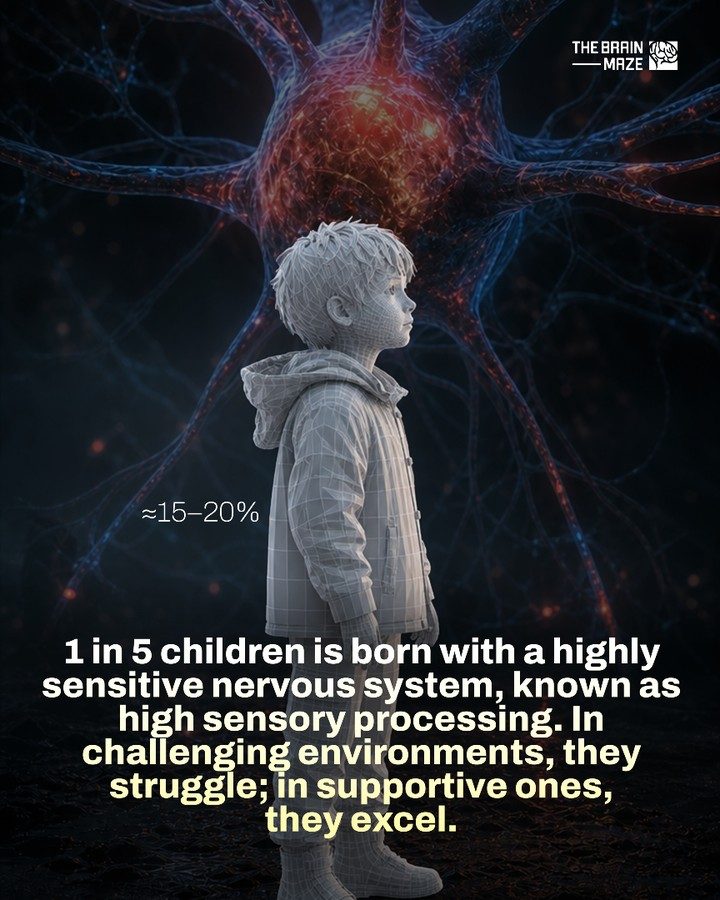
Approximately 15–20% of children are born with a highly sensitive nervous system, a trait known as high sensory processing sensitivity (HSP). These children experience the world more intensely, picking up on subtle details, emotions, and environmental changes that others may overlook. This heightened sensitivity can make chaotic or stressful situations overwhelming, but it is not a weakness. Instead, it can be a remarkable strength, fostering empathy, creativity, deep thinking, and strong emotional awareness in supportive, understanding environments.
Why This Matters
Understanding high sensory processing sensitivity is crucial for parents, educators, and caregivers. Recognizing and supporting these children can significantly enhance their well-being and help them thrive. HSP children are unique in how they perceive and react to their surroundings, and tailored support can unlock their full potential.
The Characteristics of Highly Sensitive Children
HSP children exhibit several distinct characteristics that set them apart from their peers. These include:
- Heightened Sensory Perception: They are more attuned to sensory stimuli, noticing subtleties in their environment that others might miss. This can range from sensitivity to light, sound, and texture to heightened emotional awareness.
- Empathy and Emotional Depth: HSP children often have a deep sense of empathy, feeling the emotions of others intensely. This can be both a strength and a challenge, as they may become overwhelmed by the emotional states of those around them.
- Creativity and Imagination: Their heightened sensitivity often fuels a rich inner world, leading to increased creativity and imagination. This can manifest in various forms, from art and music to writing and storytelling.
- Deep Thinking: HSP children tend to be introspective and thoughtful, often engaging in deep, reflective thought processes. This can lead to a strong sense of self-awareness and a deeper understanding of complex concepts.
Environments and Their Impact
The environment plays a pivotal role in the well-being and development of HSP children. Different environments can either enhance their strengths or exacerbate their challenges.
Challenging Environments
In challenging or chaotic environments, HSP children may struggle. Overstimulation from loud noises, bright lights, or crowded spaces can be overwhelming. This can lead to stress, anxiety, and even physical symptoms like headaches or stomachaches. Additionally, negative emotional environments, such as those filled with conflict or tension, can be particularly challenging for HSP children, as they may absorb and internalize these emotions.
Supportive Environments
In contrast, supportive environments can help HSP children thrive. These environments are typically calm, predictable, and emotionally nurturing. Key elements of supportive environments include:
- Sensory Accommodations: Creating spaces that are not overstimulating, with controlled lighting, noise levels, and clutter. This can include quiet rooms, sensory-friendly toys, and predictable routines.
- Emotional Support: Providing a safe space for emotional expression and validation. HSP children benefit from caregivers who understand their emotional depth and can offer guidance and reassurance.
- Encouragement of Creative Outlets: Fostering creativity through art, music, or writing can provide a healthy outlet for their heightened sensitivity, helping them process emotions and thoughts more effectively.
- Deep Connections: Building strong, nurturing relationships can help HSP children feel understood and supported. This can include close bonds with family, friends, and mentors who appreciate their unique qualities.
Practical Tips for Supporting Highly Sensitive Children
Supporting HSP children involves a combination of environmental adjustments and emotional understanding. Here are some practical tips:
Create a Calm and Predictable Environment
- Establish Routines: Consistency in daily routines can help HSP children feel more secure and in control. Clear schedules and predictable transitions can reduce anxiety.
- Minimize Overstimulation: Reduce sensory overload by managing noise levels, avoiding bright and flashing lights, and keeping the environment clutter-free. Sensory-friendly toys and activities can also be beneficial.
Encourage Emotional Expression
- Open Communication: Encourage HSP children to express their feelings openly and without judgment. Regular check-ins and active listening can help them feel understood and supported.
- Emotion Coaching: Teach emotional regulation strategies, such as deep breathing, mindfulness, and positive self-talk. This can help them manage their intense emotions more effectively.
Foster Creativity and Imagination
- Artistic Outlets: Provide opportunities for creative expression through art, music, and drama. These activities can help HSP children process their emotions and thoughts in a positive way.
- Nature and Outdoor Spaces: Encourage time spent in nature, where the calming effects of the natural world can help reduce stress and promote well-being.
Build Strong Relationships
- Nurturing Connections: Foster strong, supportive relationships with family, friends, and mentors. Positive role models and emotional support can help HSP children feel valued and understood.
- Community and Friendships: Encourage social interactions in supportive, inclusive environments. This can help HSP children develop strong, meaningful friendships and a sense of belonging.
Important Takeaways
Understanding and supporting highly sensitive children can have a profound impact on their well-being and development. Key takeaways include:
- High sensory processing sensitivity is a natural trait that affects approximately 15–20% of children.
- HSP children experience the world more intensely, picking up on subtle details and emotions that others may overlook.
- Challenging environments can overwhelm HSP children, leading to stress and anxiety.
- Supportive, understanding environments can help HSP children thrive, fostering empathy, creativity, and deep thinking.
- Practical tips for supporting HSP children include creating a calm and predictable environment, encouraging emotional expression, fostering creativity, and building strong relationships.
Conclusion
Highly sensitive children, with their unique ability to perceive the world more intensely, bring a wealth of empathy, creativity, and emotional depth. By understanding and supporting their needs, we can help them unlock their full potential and contribute positively to their environments. Whether through tailored educational approaches, supportive family dynamics, or nurturing social settings, the journey of HSP children can be enriched and made more meaningful.
Watch the Reel
Questions readers ask
What are some common signs of high sensory processing sensitivity in children?
Children with high sensory processing sensitivity may exhibit signs such as being easily overwhelmed in noisy or chaotic environments, having strong emotional reactions, or being deeply affected by subtle changes in their surroundings. They often notice details that others miss and may be more empathetic and intuitive.
How can parents support highly sensitive children at home?
Parents can support highly sensitive children by creating a calm, predictable environment, providing quiet spaces for downtime, and encouraging open communication about their feelings. It's also helpful to establish routines and give plenty of warnings before transitions or changes.
Is high sensory processing sensitivity the same as sensory processing disorder in children?
No, while both involve heightened sensitivity to sensory input, high sensory processing sensitivity is a trait characterized by increased awareness and responsiveness to sensory details, emotions, and environmental changes. It is not a disorder, but a natural variation in human temperament. Sensory processing disorder, on the other hand, involves challenges in processing sensory information, leading to difficulties in daily life.
Can high sensitivity in children affect their creativity and emotional development?
Yes, high sensitivity in children can foster creativity and emotional development. The heightened awareness of their surroundings can inspire imaginative thinking and emotional depth. Supporting and nurturing these traits can help children with high sensitivity develop strong emotional awareness and resilience.
What role does empathy play in the lives of highly sensitive children?
Empathy is a significant aspect of high sensitivity in children. They often possess a deep understanding of others' emotions, which can make them excellent listeners and nurturers. However, this heightened empathy can also make them more susceptible to emotional overload, so it's important to teach them self-care and emotional regulation strategies.
How does high sensory processing sensitivity impact a child's development in school settings?
In school settings, highly sensitive children may struggle with noisy classrooms, bright lights, or crowded environments. However, with the right support, they can excel academically due to their keen attention to detail and creativity. Teachers can help by offering quiet spaces, clear instructions, and understanding for their unique needs.
What strategies can be used to help sensory sensitive kids thrive in social situations?
To help sensory sensitive kids thrive in social situations, it's beneficial to prepare them in advance for what to expect, provide them with a quiet space to retreat to if needed, and encourage them to express their feelings. Role-playing scenarios and teaching social skills in a supportive environment can also be very helpful.
Recent articles
Fresh deep dives from the latest Reels we unpacked.




Comments
Be the first to comment.