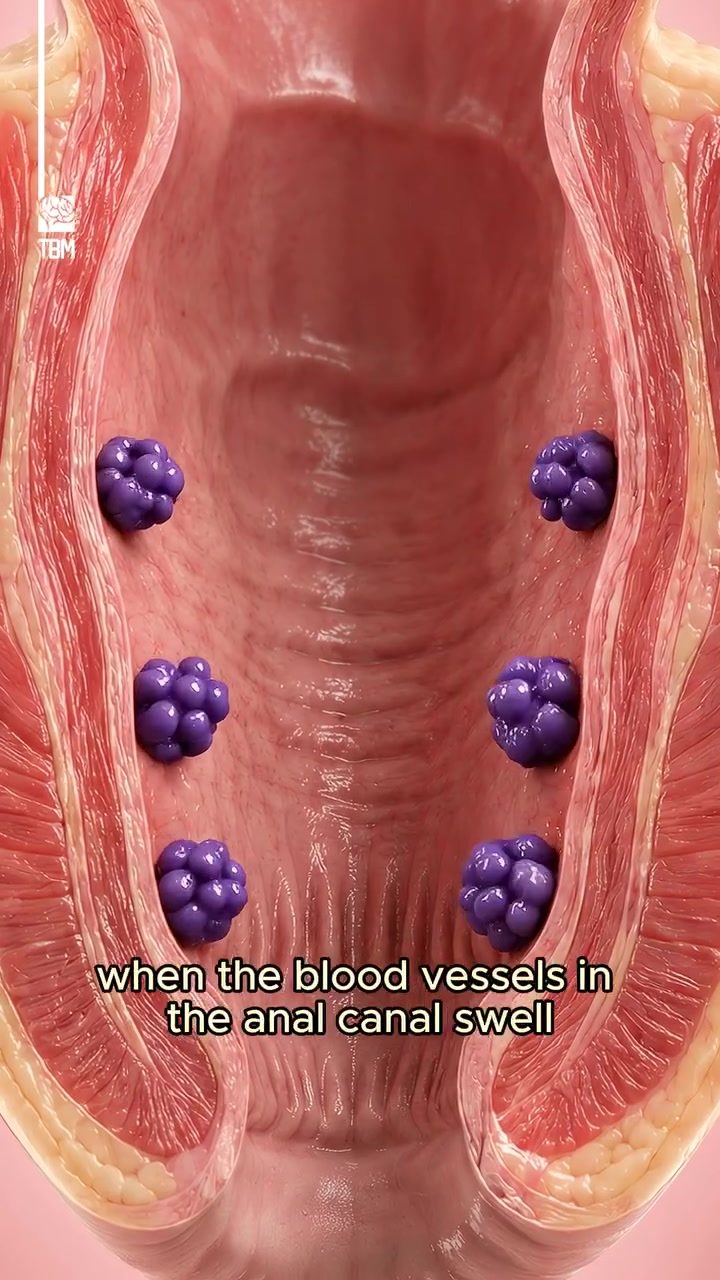
Hemorrhoids Overview: Causes and Prevention
Hemorrhoids are swollen veins in the lower rectum and anus that often cause discomfort, itching, and bleeding. They occur when increased pressure causes the anal veins to swell, affecting nearly 50% of adults by age 50. Understanding the causes and prevention methods can help manage and reduce the occurrence of this common condition.
Why This Matters
Hemorrhoids can significantly impact quality of life, causing pain and discomfort. Recognizing the factors that contribute to their formation and taking proactive steps to prevent them can alleviate symptoms and improve overall well-being.
Main Discussion
Causes of Hemorrhoids
Pressure and Blood Flow
Hemorrhoids form when the blood vessels in the anal canal swell due to increased pressure. This pressure often results from straining during bowel movements, chronic constipation, or prolonged sitting. These activities restrict blood flow and weaken the vascular walls, making the veins more susceptible to swelling.
Anal Veins and Supporting Tissues
The anal veins, unlike other veins in the body, rely on surrounding tissues for support. When these tissues stretch or deteriorate, they can no longer provide adequate support, leading to the formation of hemorrhoids.
Types of Hemorrhoids
There are two primary types of hemorrhoids: internal and external.
Internal Hemorrhoids
Internal hemorrhoids occur inside the rectum and are usually not visible or felt. They typically do not cause significant discomfort but can bleed during bowel movements. Internal hemorrhoids may also protrude outside the anus, a condition known as prolapsed hemorrhoids.
External Hemorrhoids
External hemorrhoids develop under the skin around the anus. They can cause itching, pain, and swelling, especially during bowel movements. External hemorrhoids can also develop blood clots, leading to thrombosed hemorrhoids, which can be particularly painful.
Risk Factors
Several factors increase the risk of developing hemorrhoids, including:
- Chronic Constipation and Straining: Struggling to pass stools can put excessive pressure on the veins in the anal canal.
- Prolonged Sitting: Activities that involve long periods of sitting, such as driving or office work, can restrict blood flow and increase pressure on the anal veins.
- Low-Fiber Diet: A diet lacking in fiber can lead to constipation and straining during bowel movements.
- Aging: The tissues supporting the veins in the rectum and anus can weaken with age, making hemorrhoids more likely.
- Pregnancy: Increased pressure in the abdomen during pregnancy can lead to the formation of hemorrhoids.
- Chronic Diarrhea: Frequent loose stools can irritate and weaken the anal tissues.
Practical Tips
Preventing hemorrhoids involves reducing the pressure on the anal veins and promoting healthy bowel habits. Here are some practical tips to help manage and prevent hemorrhoids:
Dietary Changes
Increase Fiber Intake
A high-fiber diet can help soften stools and reduce the need for straining during bowel movements. Foods rich in fiber include:
- Fruits and vegetables
- Whole grains
- Legumes
- Nuts and seeds
Stay Hydrated
Drinking plenty of water can help maintain smooth digestion and prevent constipation. Aim for at least 8 glasses of water per day, and adjust based on your activity level and climate.
Avoid Processed Foods
Processed foods often lack fiber and can contribute to constipation. Opt for whole, natural foods whenever possible.
Exercise and Lifestyle
Regular Exercise
Physical activity improves circulation and helps prevent constipation. Aim for at least 30 minutes of moderate exercise most days of the week. Activities such as walking, swimming, or cycling can be beneficial.
Avoid Prolonged Sitting
Take breaks to stand up and move around if you have a sedentary job. Consider using a standing desk or setting reminders to take short walks throughout the day.
Maintain a Healthy Weight
Excess weight can put additional pressure on the anal veins. Maintaining a healthy weight through diet and exercise can help reduce the risk of hemorrhoids.
Bathroom Habits
Don't Delay Bowel Movements
When you feel the urge to have a bowel movement, don't ignore it. Holding it in can lead to constipation and straining.
Avoid Excessive Straining
Push gently and take your time. If you find yourself straining, try to relax and take a few deep breaths. If necessary, get up and try again later.
Clean Gently
After a bowel movement, clean the area gently with unscented wipes or warm water. Avoid using harsh soaps or too much toilet paper, as these can irritate the skin.
Medical Interventions
If lifestyle changes and dietary adjustments are not enough, there are medical treatments available for managing hemorrhoids. These can include:
- Over-the-Counter Creams and Suppositories: These can help relieve symptoms such as itching and swelling.
- Sclerotherapy: A chemical solution is injected into the hemorrhoidal tissue to shrink it.
- Rubber Band Ligation: A small rubber band is placed around the base of the hemorrhoid to cut off blood flow, causing it to shrink and fall off.
- Surgery: In severe cases, surgical removal of the hemorrhoids may be necessary.
Important Takeaways
- Hemorrhoids are caused by increased pressure on the anal veins, often due to straining, constipation, or prolonged sitting.
- Dietary fiber, hydration, and regular exercise can help prevent hemorrhoids by promoting healthy bowel movements and improving circulation.
- Maintaining good bathroom habits, such as not delaying bowel movements and avoiding excessive straining, can protect the delicate vessels in the anal area.
- If lifestyle changes are not enough, medical treatments are available to manage and alleviate hemorrhoid symptoms.
Conclusion
Understanding the causes and prevention methods of hemorrhoids can greatly improve overall comfort and well-being. By making simple dietary and lifestyle changes, and maintaining good bathroom habits, you can reduce the risk of developing hemorrhoids and manage symptoms effectively. If symptoms persist, consult a healthcare provider for personalized advice and potential medical interventions.
Watch the Reel
Questions readers ask
What are the primary causes of hemorrhoids?
Hemorrhoids are primarily caused by increased pressure in the lower rectum and anal area. This can result from straining during bowel movements, prolonged sitting, especially on hard surfaces, and even from being obese or pregnant. These factors can lead to the swelling of anal veins, resulting in discomfort, itching, and bleeding.
How can I prevent the formation of hemorrhoids?
To prevent hemorrhoids, focus on maintaining healthy bowel habits. This includes eating a high-fiber diet to prevent constipation. Additionally, staying hydrated and exercising regularly can help prevent straining during bowel movements. Avoiding prolonged sitting and maintaining a healthy weight are also beneficial.
What are some effective ways to manage hemorrhoids?
Managing hemorrhoids involves a combination of lifestyle changes and home remedies. Keeping the anal area clean, using witch hazel or sitz baths, and applying over-the-counter creams can help relieve symptoms. Avoid straining during bowel movements and consider using stool softeners if necessary. If symptoms persist, consult a healthcare provider for further treatment options.
How does straining during bowel movements contribute to hemorrhoids?
Straining during bowel movements increases pressure in the lower rectum and anal area, which can cause the anal veins to swell and lead to hemorrhoids. This is why it's important to maintain healthy bowel habits, such as eating a high-fiber diet and staying hydrated, to prevent constipation and the need to strain.
Can prolonged sitting lead to hemorrhoids?
Yes, prolonged sitting, especially on hard surfaces, can contribute to the development of hemorrhoids. This is because it increases pressure in the anal area and can slow down blood flow, leading to swelling of the anal veins. Regularly getting up and moving around can help alleviate this pressure and reduce the risk of hemorrhoids.
What role does a high-fiber diet play in preventing hemorrhoids?
A high-fiber diet helps prevent hemorrhoids by promoting regular bowel movements and preventing constipation. When stool is soft and easy to pass, there is less need to strain, which reduces the risk of swelling in the anal veins. Foods rich in fiber include fruits, vegetables, whole grains, and legumes.
Can exercise help with the prevention of hemorrhoids?
Yes, regular exercise can help prevent hemorrhoids. It stimulates bowel function, reduces pressure, and promotes better blood flow, all of which contribute to maintaining healthy anal veins. Aim for low-impact activities like walking, swimming, or yoga to minimize strain and keep your digestion regular.
Related deep dives
Similar reads based on topic and creator.



Recent articles
Fresh deep dives from the latest Reels we unpacked.




Comments
Be the first to comment.