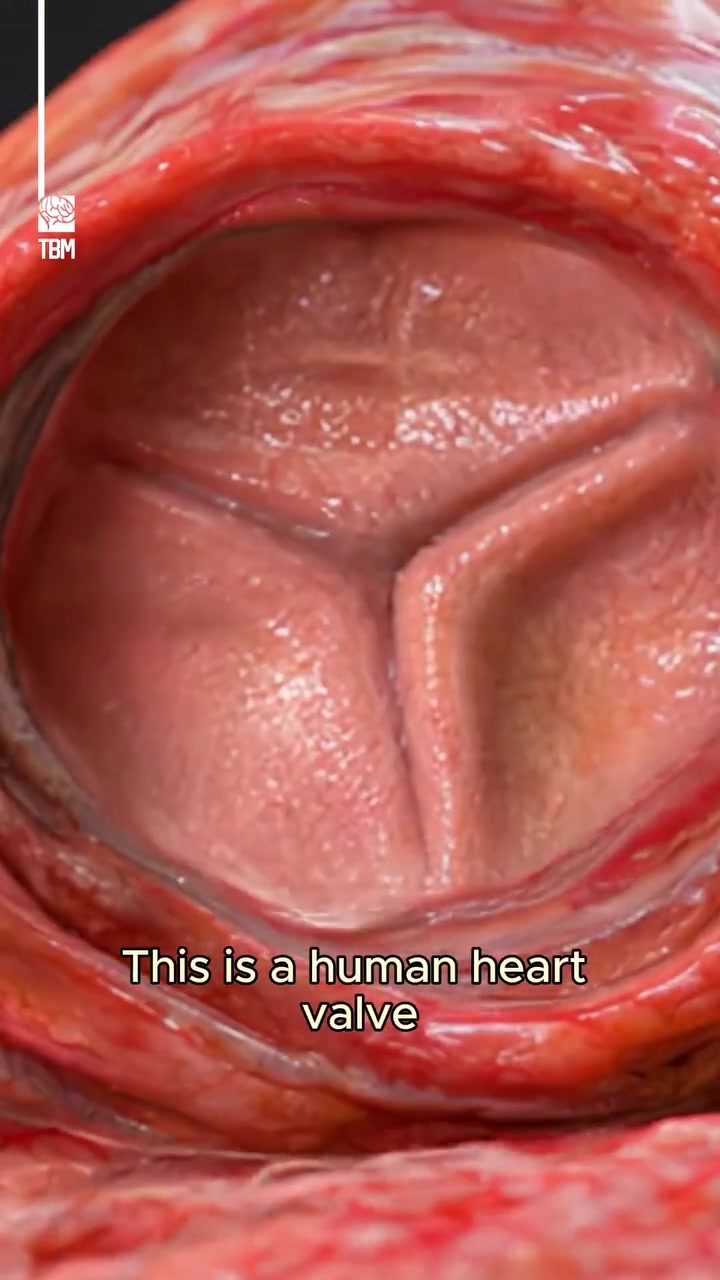
Heart Valve Replacement
Heart valves are intricate structures that ensure blood flows in one direction through the heart. They open and close with every heartbeat, guiding blood flow efficiently. Over a lifetime, these valves perform billions of delicate motions without pausing. However, these vital structures can become damaged or weakened, disrupting the heart's natural rhythm and necessitating medical intervention.
Why This Matters
When a heart valve narrows, stiffens, or leaks, it can cause a range of symptoms including shortness of breath, chest pain, fatigue, dizziness, and even heart failure. This is where heart valve replacement comes into play. This procedure replaces the damaged valve with an artificial or biological valve, restoring normal blood flow and alleviating symptoms. With advancements in medical technology, many valve replacements can now be performed using minimally invasive techniques, such as smaller incisions or catheter-based methods.
The Procedure: What to Expect
Understanding the Basics
Heart valve replacement involves replacing a malfunctioning valve with a new one. The choice between an artificial or biological valve depends on various factors, including the patient's age, overall health, and lifestyle. Bioprosthetic valves, for example, are designed to mimic the functions of natural heart valves and are often used in valve replacement procedures.
The Catheter-Based Approach
One of the most innovative methods for heart valve replacement is the catheter-based approach. This procedure begins with the insertion of a thin, flexible tube called a catheter through an artery, usually in the groin or chest. A collapsed replacement valve is attached to either a small balloon or a self-expanding metal frame called a stent.
Using live imaging, the catheter is guided through the blood vessel and into the heart. Positioned inside the damaged valve, it is carefully placed in the correct location. If a balloon system is used, the balloon expands, opening the new valve and locking it into position. If a self-expanding system is used, the valve opens on its own as it is released from the catheter. The new valve pushes the damaged valve aside and immediately begins controlling blood flow. After placement, the patient's heart rhythm, blood pressure, breathing, and valve function are monitored to confirm that the valve is working properly.
Benefits of Minimally Invasive Techniques
Minimally invasive techniques, such as those using smaller incisions or catheter-based methods, offer several advantages. These methods reduce the risk of complications, shorten recovery times, and often allow patients to return to their normal activities more quickly. Additionally, these techniques can be particularly beneficial for patients who may not be suitable candidates for traditional open-heart surgery.
Practical Tips for Patients
Pre-Operative Preparation
Preparing for a heart valve replacement involves several key steps. Patients should:
- Consult with a Cardiologist: Discuss the procedure in detail, including the type of valve to be used and the best method for replacement.
- Undergo Pre-Operative Tests: These may include blood tests, echocardiograms, and other imaging studies to assess the heart's condition.
- Follow Pre-Operative Instructions: This may include fasting, avoiding certain medications, and adhering to specific hygiene practices to minimize infection risk.
Post-Operative Care
After the procedure, patients should focus on:
- Monitoring Vital Signs: Regularly check heart rate, blood pressure, and other vital signs as instructed by the healthcare provider.
- Following Medication Regimens: Take prescribed medications as directed to prevent blood clots and manage symptoms.
- Engaging in Recommended Activities: Gradually resume normal activities, following the healthcare provider's guidelines for exercise and lifestyle modifications.
Important Takeaways
Heart valve replacement is a critical procedure that can significantly improve the quality of life for individuals with damaged or weakened heart valves. With the advent of minimally invasive techniques, the procedure has become safer and more accessible. Understanding the basics of the procedure, preparing adequately, and following post-operative care instructions are essential for a successful outcome.
Conclusion
Modern medicine has made significant strides in the field of heart valve replacement. From understanding the intricate workings of heart valves to utilizing advanced catheter-based techniques, the journey of heart valve replacement is a testament to medical innovation. For those in need, this procedure offers a promising path to restored health and improved quality of life.
Watch the Reel
Questions readers ask
What are the primary reasons for undergoing heart valve replacement?
Heart valve replacement is typically necessary when a heart valve becomes narrowing, stiffens, or leaks, leading to symptoms such as shortness of breath, chest pain, and fatigue. This procedure aims to restore normal blood flow and alleviate these symptoms.
What are the benefits of minimally invasive heart surgery for valve replacement?
Minimally invasive heart surgery offers several benefits, including smaller incisions, reduced pain, and quicker recovery times compared to traditional open-heart surgery. Patients often experience fewer complications and a shorter hospital stay.
What is the difference between artificial and biological heart valves?
Artificial heart valves are made from synthetic materials and are designed to last a lifetime. Biological heart valves, on the other hand, are typically made from animal or human tissue and may last 10-15 years, but are less likely to require long-term blood-thinning medication, making them suitable for older or frail patients.
What is transcatheter aortic valve replacement (TAVR)?
Transcatheter aortic valve replacement (TAVR) is a catheter-based valve replacement procedure that is less invasive than traditional surgery. It involves inserting a new valve into the heart through a catheter, reducing the risks and recovery time associated with open-heart surgery.
Who is a good candidate for catheter-based valve replacement?
Patients who are at high risk for traditional open-heart surgery, such as those with multiple health conditions or advanced age, are often good candidates for catheter-based valve replacement. Consult your healthcare professional to determine if this option is suitable for you.
What should I expect during the recovery process after heart valve replacement?
Recovery times vary depending on the type of surgery, but generally, patients stay in the hospital for a few days to a week. Full recovery can take several weeks to a few months, during which time patients should avoid heavy lifting and strenuous activities to allow the heart and chest to heal properly. Regular follow-up appointments are essential to monitor progress.
Related deep dives
Similar reads based on topic and creator.


Recent articles
Fresh deep dives from the latest Reels we unpacked.




Comments
Be the first to comment.