Heart Attack: How Coronary Arteries Function and What Happens When Blocked
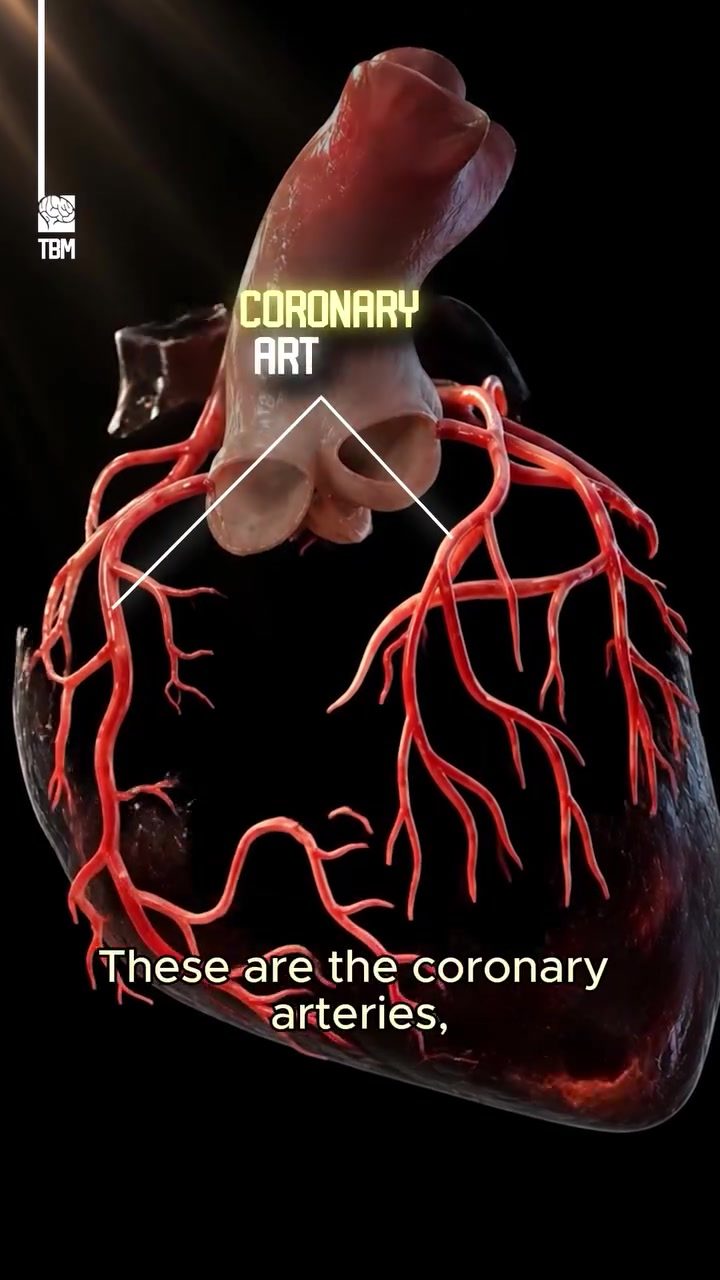
Understanding how a heart attack begins involves delving into the crucial role that coronary arteries play in maintaining the heart's health. Coronary arteries are the blood vessels responsible for delivering oxygen and essential nutrients directly to the heart muscle. These arteries originate near the base of the aorta and extend across the heart's surface, ensuring that the heart receives the necessary supplies to function properly.
Why This Matters
The heart, despite being filled with blood, cannot extract enough oxygen from the blood within its chambers. This makes the coronary arteries vital for its survival. The right and left coronary arteries are particularly important in this regard. The right coronary artery supplies blood to the right side of the heart, the lower portion, and often sections of the electrical system that govern the heart's rhythm. The left coronary artery, on the other hand, branches into two crucial segments: the left anterior descending artery and the circumflex artery. The left anterior descending artery is responsible for supplying the front of the heart and much of the left ventricle, while the circumflex artery curves around the left side, providing blood to the outer and back regions.
Main Discussion
The Role of Coronary Arteries
The coronary arteries' primary function is to maintain the heart's health by supplying it with the oxygen and nutrients it needs. The right coronary artery is particularly important as it not only supplies blood to the right side of the heart but also often controls sections of the electrical system that regulate the heart's rhythm. This makes it a key player in maintaining the heart's overall functionality. The left coronary artery, which splits into the left anterior descending artery and the circumflex artery, is equally essential. The left anterior descending artery is especially critical as it provides blood to the front of the heart and a significant portion of the left ventricle, areas that demand a steady supply of oxygen and nutrients to function effectively.
The Dangers of Plaque
While the coronary arteries are vital for the heart's health, they are also susceptible to various threats. Over time, substances such as cholesterol, fat, and other materials can accumulate inside these arteries, forming what is known as plaque. This buildup gradually narrows and hardens the vessels, reducing blood flow to the heart. This narrowing, known as atherosclerosis, is a significant risk factor for heart disease and can lead to severe consequences if left untreated.
One of the most dangerous moments in this process occurs when a plaque suddenly ruptures. When this happens, the body reacts by forming a blood clot to repair the rupture. However, this clot can completely block the artery, cutting off the oxygen supply to the heart muscle beyond the blockage. Within minutes, heart cells begin to die, leading to a heart attack. The location and severity of the damage depend on which coronary artery is blocked and how long the blockage remains untreated.
Symptoms of a Heart Attack
It is crucial to recognize that the pain of a heart attack may not always be localized to the chest. It can spread to other areas, including the left arm, shoulder, neck, jaw, or upper back. This phenomenon occurs because pain signals from the heart share spinal nerve pathways with these regions. The brain can misinterpret where the signal is coming from, creating what is known as referred pain. Additionally, a severe blockage can disrupt the heart's electrical rhythm, potentially triggering sudden cardiac arrest. Understanding these symptoms is vital for seeking timely medical intervention.
Preventive Measures
Many factors that threaten coronary arteries are within individual control. Regular physical activity is one of the most effective ways to strengthen the heart, improve circulation, support healthy blood pressure, and maintain optimal cholesterol levels. All of these factors work together to reduce stress on the cardiovascular system.
Eating a balanced diet, avoiding smoking, maintaining a healthy weight, and getting enough sleep are equally important for keeping your arteries healthy. Incorporating omega-3 fatty acids into one's diet can further support normal heart function and help maintain healthier triglyceride levels. These lifestyle choices are integral to an overall approach to safeguarding heart health over the long term.
Practical Tips
-
Engage in Regular Physical Activity: Aim for at least 150 minutes of moderate-intensity or 75 minutes of vigorous-intensity aerobic activity per week, along with muscle-strengthening activities on two or more days a week.
-
Maintain a Balanced Diet: Focus on consuming a diet rich in fruits, vegetables, whole grains, lean proteins, and healthy fats. Limit processed foods, sugars, and unhealthy fats.
-
Avoid Smoking: Smoking damages the blood vessels and reduces the amount of oxygen that the blood can carry. Quitting smoking can significantly improve heart health.
-
Maintain a Healthy Weight: Achieve and maintain a healthy weight through a combination of regular physical activity and a balanced diet. This reduces the strain on the cardiovascular system.
-
Get Enough Sleep: Aim for 7-9 hours of sleep per night. Adequate sleep is essential for overall health and can help regulate blood pressure and reduce stress.
-
Consider Omega-3 Fatty Acids: Incorporate foods rich in omega-3 fatty acids, such as fatty fish, flaxseeds, and walnuts, into your diet. Omega-3s support normal heart function and can help maintain healthy triglyceride levels.
Important Takeaways
-
Coronary Arteries: The right and left coronary arteries are essential for supplying oxygen and nutrients to the heart muscle.
-
Plaque and Blockages: Plaque buildup in the coronary arteries can lead to blockages, which can cause a heart attack if left untreated.
-
Symptoms of a Heart Attack: Pain may be felt in the chest, left arm, shoulder, neck, jaw, or upper back, and can be accompanied by sudden cardiac arrest.
-
Preventive Measures: Regular physical activity, a balanced diet, avoiding smoking, maintaining a healthy weight, getting enough sleep, and incorporating omega-3 fatty acids can all contribute to heart health.
Conclusion
Understanding the critical role of coronary arteries in maintaining heart health and recognizing the signs of a heart attack are essential for prompt intervention and prevention. By adopting a heart-healthy lifestyle, individuals can significantly reduce their risk of coronary artery disease and its life-threatening complications. Taking proactive steps to improve cardiovascular health not only enhances overall well-being but can also save lives.
Watch the Reel
Questions readers ask
What are the primary functions of coronary arteries?
Coronary arteries are responsible for supplying the heart muscle with oxygen and essential nutrients. They originate near the base of the aorta and branch out across the heart's surface, ensuring the heart has the necessary supplies to function effectively.
Why can't the heart extract oxygen from the blood within its chambers?
The heart, unlike other organs, cannot extract sufficient oxygen from the blood that flows through its chambers. It relies heavily on the coronary arteries to deliver oxygen-rich blood directly to the heart muscle.
What happens during a heart attack, and how do coronary arteries play a role?
A heart attack occurs when blood flow to a part of the heart is blocked, typically by a blood clot or plaque buildup in a coronary artery. This blockage prevents oxygen and nutrients from reaching the heart muscle, which can lead to damage or death of the affected tissue.
What are the common symptoms of a heart attack?
Symptoms of a heart attack can vary but often include chest pain or discomfort, shortness of breath, nausea, lightheadedness, and cold sweats. Women may experience slightly different symptoms, such as back pain or jaw pain.
How can omega-3 fatty acids contribute to heart health?
Omega-3 fatty acids, found in foods like fatty fish and walnuts, can support heart health by reducing inflammation, lowering triglyceride levels, and helping to maintain healthy blood pressure. They may also help reduce the risk of heart attacks by preventing the buildup of plaque in coronary arteries.
What are the main causes of coronary artery disease?
Coronary artery disease is primarily caused by the buildup of plaque in the coronary arteries. This plaque, made up of cholesterol, fat, calcium, and other substances, narrows the arteries, reducing blood flow to the heart. This condition can lead to chest pain (angina) or even a heart attack.
Related deep dives
Similar reads based on topic and creator.


Recent articles
Fresh deep dives from the latest Reels we unpacked.




Comments
Be the first to comment.