Hair Removal Methods and Their Effects on Hair Follicles
Hair removal is a common practice for both aesthetic and hygiene reasons. Understanding the hair follicle and the different methods of hair removal—including shaving, sugaring, laser, and electrolysis—can help in choosing the best option for individual needs.
Why This Matters
With various hair removal techniques available, it's important to know how each method affects the hair follicle and surrounding skin. This knowledge can guide decisions based on personal goals, such as long-term hair reduction or short-term convenience.
Understanding the Hair Follicle
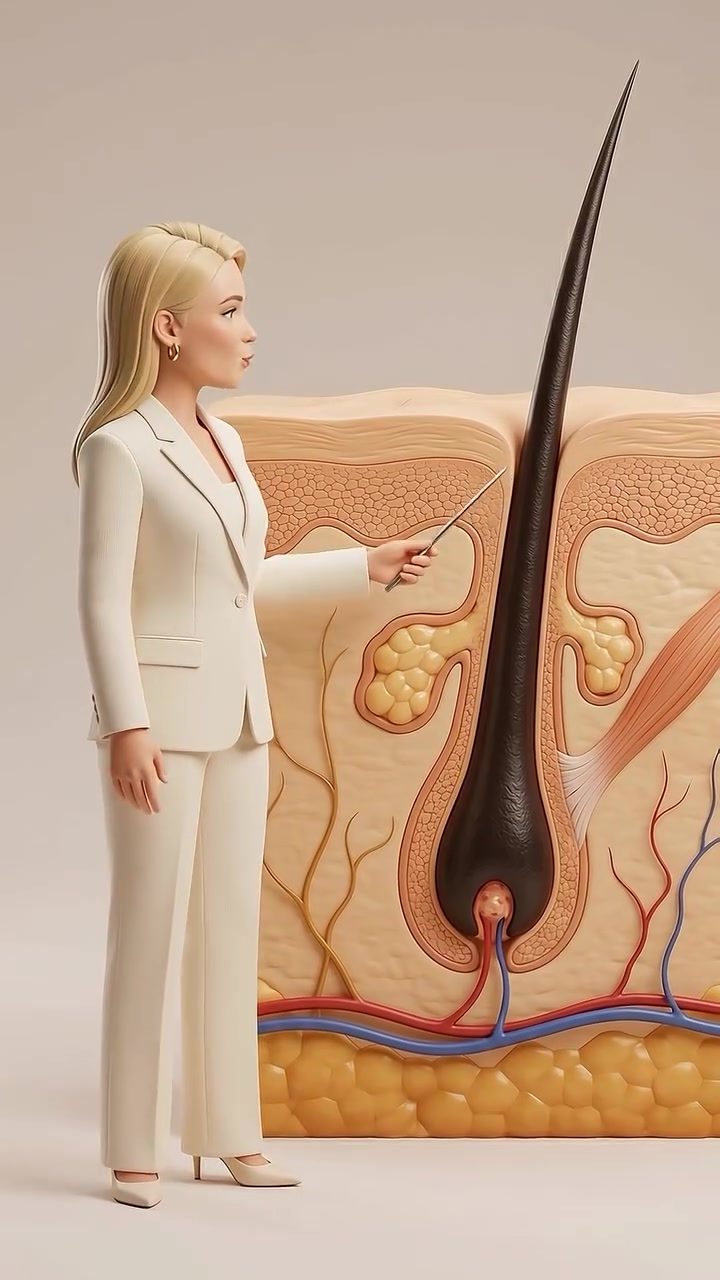
The hair follicle is a dynamic structure that produces hair and is embedded in the skin. It consists of a root, which is the base from which the hair grows, and a shaft, which is the visible part of the hair. Surrounding the follicle are sebaceous glands, which produce oil to keep the hair and skin moisturized, and blood vessels that supply nutrients to the follicle.
Different Hair Removal Methods
Shaving
Shaving is one of the most common and quickest methods of hair removal. It involves using a razor to cut the hair at the skin's surface. While effective for immediate results, shaving does not affect the hair follicle beneath the skin. The follicle remains active and continues to produce hair, ensuring that regrowth occurs quickly, typically within a few days.
Sugaring
Sugaring is a natural hair removal method that involves applying a sugar paste to the skin and pulling it off, removing the hair from the root. Unlike shaving, sugaring can remove hair from the root, which may result in slower regrowth times. However, the follicle remains active and can produce new hair.
Laser Hair Removal
Laser hair removal targets the pigment in the hair follicle, using heat to damage the follicle and reduce future hair growth. The effectiveness of laser hair removal depends on the hair and skin type. It works best on individuals with light skin and dark hair, as the laser can more easily distinguish between the hair and skin. Over multiple sessions, laser treatments can significantly reduce hair growth, though results vary and multiple sessions are often needed.
Electrolysis
Electrolysis is the only hair removal method that can permanently remove hair. The process involves inserting a fine probe into the hair follicle and delivering electrical energy to the growth area. This damages the follicle so that it can no longer produce hair. Electrolysis treats each follicle individually, making it a meticulous but effective method for permanent hair reduction.
Practical Tips for Choosing a Hair Removal Method
- Consider Your Goals: If you're looking for a quick, temporary solution, shaving or sugaring might be the best choices. For longer-term hair reduction, laser or electrolysis may be more suitable.
- Know Your Skin and Hair Type: The effectiveness of laser hair removal can vary based on skin and hair color. Darker hair and lighter skin generally yield better results. Electrolysis, on the other hand, can be effective on all skin and hair types.
- Consult a Professional: Both laser and electrolysis treatments should be performed by trained professionals to ensure safety and effectiveness.
Important Takeaways
- Shaving and Sugaring offer quick but temporary solutions, with shaving being the most convenient for immediate results and sugaring offering slightly longer regrowth periods.
- Laser Hair Removal is effective for long-term hair reduction, especially for those with contrasting hair and skin colors.
- Electrolysis provides the most permanent solution, though it requires more time and is performed on a follicle-by-follicle basis.
Conclusion
Choosing the right hair removal method depends on personal goals and preferences. Whether opting for the convenience of shaving, the natural approach of sugaring, the long-term reduction of laser, or the permanent results of electrolysis, understanding how each method affects the hair follicle can help in making an informed decision.
Watch the Reel
Questions readers ask
What is the difference between shaving and laser hair removal?
Shaving cuts hair at the skin's surface, providing quick results but requiring frequent repetition. Laser hair removal, on the other hand, targets the hair follicle beneath the skin, aiming to reduce hair growth over time and providing longer-lasting results.
How does sugaring compare to waxing and shaving?
Sugaring uses a natural paste to remove hair from the root, similar to waxing. Unlike shaving, it can reduce hair growth for several weeks. However, it may cause more discomfort and redness compared to shaving and can be messy.
What is the best hair removal method for sensitive skin?
For sensitive skin, laser hair removal might be the best option. It's less likely to cause irritation compared to methods like waxing or shaving, which can exacerbate skin sensitivity. However, it’s essential to consult a professional to determine the best approach for your specific skin type and tolerance.
How does electrolysis compare to laser hair removal for permanent hair removal?
Electrolysis is considered a permanent hair removal method, as it targets the hair follicle directly, destroying it to prevent regrowth. Laser hair removal, while effective, usually requires multiple sessions and may not guarantee permanent removal.
Can laser hair removal be done at home, and what should I consider?
Yes, there are at-home laser hair removal devices available, but they typically have lower energy levels than professional treatments. For optimal and safe results, consider the cost, convenience, and potential risks. Always follow the manufacturer’s instructions carefully.
What are the advantages of shaving over other hair removal methods?
Shaving is convenient, quick, and cost-effective. It can be done easily at home and is generally painless. However, it only removes hair at the surface, so regrowth occurs quickly, and it may cause skin irritation or razor burn.
How does the hair growth cycle affect laser hair removal effectiveness?
The hair growth cycle includes three phases: anagen (growth), catagen (transition), and telogen (resting). Laser hair removal is most effective during the anagen phase, when the hair follicle is actively growing. Therefore, multiple sessions are often needed to target all hairs in the anagen phase at different times.
Related deep dives
Similar reads based on topic and creator.



Recent articles
Fresh deep dives from the latest Reels we unpacked.




Comments
Be the first to comment.