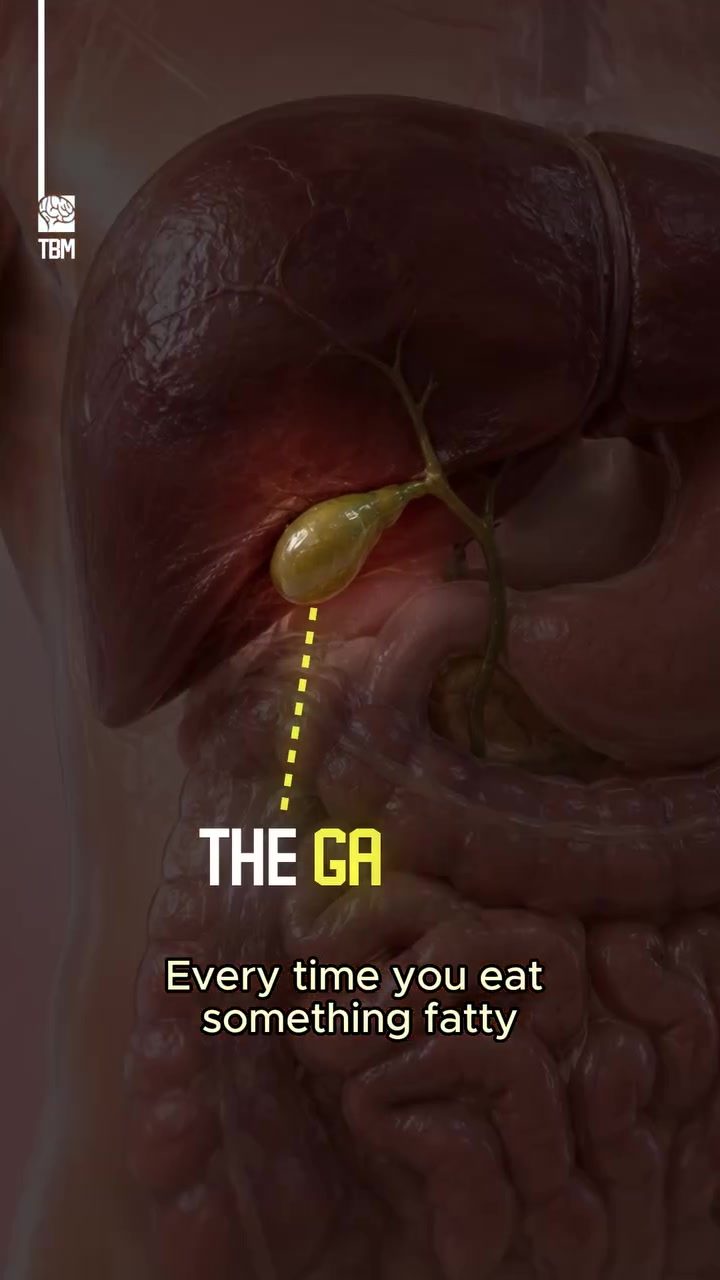
Fat Digestion Process
Digesting fat is a complex process that involves several key organs and steps. Understanding how your body handles fat is crucial for grasping the role of the gallbladder, bile, and the small intestine. Let's dive into the intricacies of fat digestion and see how your body absorbs essential fat-soluble vitamins such as A, D, E, and K.
Context / Why this matters
The process of fat digestion plays a critical role in overall health and nutrition. Fat is a vital macronutrient that provides energy, supports cell growth, and aids in the absorption of essential vitamins. Without efficient fat digestion, the body would struggle to absorb these vital nutrients, leading to potential deficiencies and health issues.
Main discussion
The Gallbladder: The Unsung Hero
Hidden beneath the liver lies the gallbladder, a small, green sack responsible for storing and concentrating bile. This organ plays a crucial role in the digestion of fat. Whenever you consume fatty food, the gallbladder springs into action.
The Role of Bile
Bile, produced by the liver and stored in the gallbladder, is a natural detergent that breaks down fat. As soon as fat enters the first part of the small intestine, hormones trigger the gallbladder to contract and release bile. This process, known as emulsification, is essential for breaking large fat droplets into thousands of tiny ones. Emulsification allows digestive enzymes to efficiently break down fat, facilitating the absorption of fats and fat-soluble vitamins.
Emulsification and Digestion
Emulsification is the process by which bile breaks down large fat droplets into smaller ones. This action increases the surface area of the fat, making it easier for digestive enzymes to work effectively. Without emulsification, the body would struggle to absorb fats and crucial fat-soluble vitamins such as A, D, E, and K. These vitamins are essential for various bodily functions, including vision, bone health, blood clotting, and immune function.
Absorption of Nutrients
Once the fat is broken down into smaller droplets, the tiny structures lining the intestine absorb these nutrients into the bloodstream. This process ensures that the body can utilize the fats and vitamins for energy and other essential functions. After the nutrients are absorbed, the gallbladder relaxes and slowly refills with fresh bile, preparing for the next meal.
The Importance of Vitamins A, D, E, and K
Vitamins A, D, E, and K are fat-soluble, meaning they require fat for absorption. Vitamin A is crucial for vision, immune function, and cell growth. Vitamin D supports bone health and immune function. Vitamin E acts as an antioxidant, protecting cells from damage. Vitamin K is essential for blood clotting and bone health. Without efficient fat digestion, the body would struggle to absorb these vital nutrients, leading to potential deficiencies and health issues.
The Small Intestine: The Final Stop
The small intestine is the final stop in the fat digestion process. Here, the tiny structures lining the intestine absorb the broken-down fat and vitamins into the bloodstream. This process ensures that the body can utilize the fats and vitamins for energy and other essential functions.
Practical tips
Maintain a Balanced Diet
Incorporating a balanced diet rich in healthy fats, lean proteins, and complex carbohydrates can support efficient fat digestion. Foods rich in vitamins A, D, E, and K, such as leafy greens, fish, nuts, and seeds, are particularly beneficial.
Stay Hydrated
Drinking plenty of water aids in the digestion process by helping to break down food and absorb nutrients. Proper hydration ensures that the digestive system functions optimally, supporting efficient fat digestion.
Limit Processed Foods
Processed foods often contain unhealthy fats and additives that can interfere with the digestion process. Limiting your intake of processed foods and opting for whole, natural foods can support better digestion and overall health.
Exercise Regularly
Regular physical activity supports a healthy digestive system by promoting blood flow and aiding in the absorption of nutrients. Incorporating regular exercise into your routine can help maintain overall digestive health and efficiency.
Important takeaways
Several key points stand out in the process of fat digestion:
- The gallbladder plays a crucial role in storing and concentrating bile, which acts as a natural detergent to break down fat.
- Emulsification is the process by which bile breaks down large fat droplets into smaller ones, facilitating efficient digestion.
- Vitamins A, D, E, and K are fat-soluble vitamins that require fat for absorption and are essential for various bodily functions.
- The small intestine absorbs broken-down fat and vitamins into the bloodstream, ensuring the body can utilize these nutrients.
- A balanced diet, adequate hydration, limiting processed foods, and regular exercise support efficient fat digestion and overall health.
Conclusion
Fat digestion is a complex process involving the gallbladder, bile, and the small intestine. Understanding how your body absorbs fats and essential fat-soluble vitamins is crucial for maintaining overall health. By incorporating a balanced diet, staying hydrated, limiting processed foods, and exercising regularly, you can support efficient fat digestion and ensure your body receives the nutrients it needs.
Watch the Reel
Questions readers ask
What is the primary function of the gallbladder in digestion?
The gallbladder's main function is to store and concentrate bile, a substance produced by the liver. When you consume fatty foods, the gallbladder contracts, releasing bile into the small intestine to help break down and absorb fats.
How does bile aid in fat digestion?
Bile acts like a natural detergent, emulsifying fats into smaller droplets. This increases the surface area of the fats, allowing enzymes like lipase to break them down more efficiently, which is essential for absorbing fat-soluble vitamins.
What role does the small intestine play in fat digestion?
The small intestine is where the final stages of fat digestion and absorption occur. It receives bile from the gallbladder and enzymes from the pancreas to break down fats into fatty acids and monoglycerides, which are then absorbed into the bloodstream.
Why is it important to maintain a healthy gallbladder for fat digestion?
A healthy gallbladder ensures that bile is properly stored and released, facilitating efficient fat digestion. If the gallbladder is not functioning correctly, it can lead to poor fat absorption, resulting in deficiencies in fat-soluble vitamins and other nutrients.
What happens during the emulsification of fats?
Emulsification is the process where bile breaks down large fat globules into smaller droplets. This increases the surface area of the fats, making it easier for enzymes to access and digest them, ultimately aiding in the absorption of fats and fat-soluble vitamins.
How do gallbladder and liver work together in digestion?
The liver produces bile, which is then stored and concentrated in the gallbladder. When needed, the gallbladder releases bile into the small intestine to aid in fat digestion. This coordination ensures that fats are effectively broken down and absorbed.
Related deep dives
Similar reads based on topic and creator.

Recent articles
Fresh deep dives from the latest Reels we unpacked.




Comments
Be the first to comment.