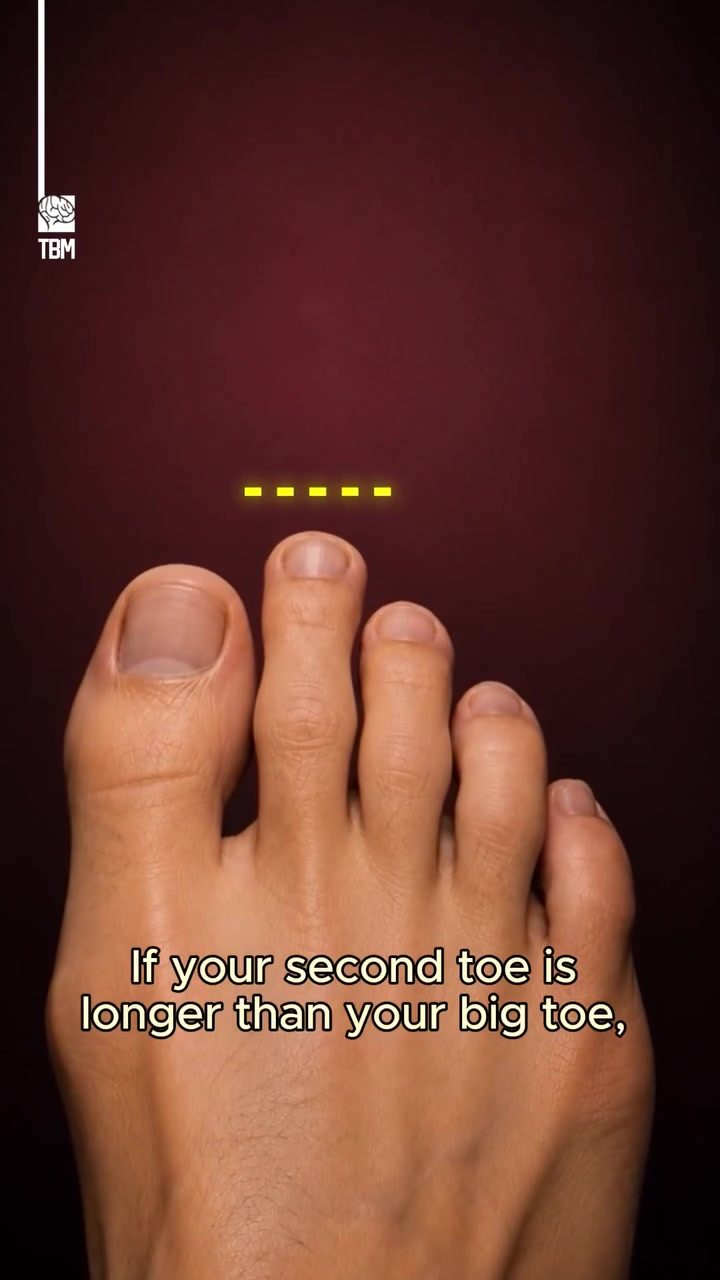
Foot Types: What Your Toe Length Reveals
Foot shape can be a fascinating indicator of various health aspects. The arrangement of your toes, particularly the length of your second toe compared to your big toe, can reveal your foot type. This is often categorized into three common types: Egyptian, Greek, and Roman feet. Understanding your foot type can provide insights into how pressure is distributed while walking and potentially impact your comfort.
Why This Matters
The shape of your foot can influence your gait and the way pressure is distributed across your feet. This, in turn, can affect your overall comfort and even contribute to certain foot-related issues. For instance, a longer second toe may place more stress on the ball of the foot, leading to discomfort in some individuals. Recognizing your foot type can help you make informed decisions about footwear and potentially prevent discomfort.
Foot Types: Egyptian, Greek, and Roman
Egyptian Foot
Egyptian feet are characterized by a big toe that is longer than the second toe. This is the most common foot type, with about 50-60% of the population falling into this category. People with Egyptian feet typically have a straightforward gait with balanced pressure distribution.
Greek Foot
Greek feet, as the name suggests, have a second toe that is longer than the big toe. This foot type is less common, affecting around 20-30% of the population. The second toe's length can create more pressure on the ball of the foot, potentially leading to discomfort or foot problems like hammertoes or bunions.
Roman Foot
Roman feet have the first two toes—big toe and second toe—of nearly equal length. This foot type is the least common, found in about 10-20% of the population. Roman feet usually distribute pressure more evenly across the toes, which may contribute to a more balanced gait.
Foot Types and Ancestry
It’s worth noting that despite their names, foot types are not reliable indicators of ancestry. The names are simply a convenient way to categorize different toe arrangements. Your foot shape is more influenced by genetics and individual development than by your ethnic background.
How Foot Shape Affects Pressure Distribution
The shape of your foot can significantly affect how pressure is distributed while walking. Here’s a closer look at how each foot type influences this:
Egyptian Foot
Egyptian feet typically distribute pressure evenly across the foot, with a slight emphasis on the big toe. This balanced distribution can contribute to a comfortable gait and reduced risk of foot-related issues.
Greek Foot
Greek feet may place more pressure on the ball of the foot and the second toe due to the longer second toe. This can lead to discomfort, especially if the second toe is excessively longer. The increased pressure can also contribute to the development of conditions like hammertoes or bunions over time.
Roman Foot
Roman feet usually distribute pressure more evenly across the first two toes. This balanced distribution can contribute to a comfortable and stable gait. However, if the toes are not properly supported by footwear, it can still lead to discomfort.
Practical Tips for Different Foot Types
Choosing the Right Footwear
Choosing the right footwear is crucial for maintaining foot health, regardless of your foot type. Here are some tips for each foot type:
Egyptian Foot
- Supportive Shoes: Opt for shoes with good arch support and a roomy toe box to accommodate the big toe.
- Cushioning: Shoes with ample cushioning can help absorb shock and reduce pressure on the foot.
Greek Foot
- Wide Toe Box: Look for shoes with a wide toe box to prevent squeezing the second toe and reducing pressure on the ball of the foot.
- Orthotics: Consider using orthotic inserts to help distribute pressure more evenly across the foot.
Roman Foot
- Balanced Support: Choose shoes that provide balanced support across the toes and arch.
- Flexible Sole: A flexible sole can help accommodate the movement of the first two toes.
Foot Exercises
Regular foot exercises can help strengthen the muscles and improve the overall health of your feet. Some beneficial exercises include:
- Toe Stretches: Gently stretch your toes by pulling them back with your hands or using a towel to create resistance.
- Towel Squeezes: Place a towel on the floor and use your toes to grip and squeeze the towel.
- Calf Raises: Stand on the edge of a step and slowly lower your heels, then rise onto your toes to strengthen your calves and feet.
Important Takeaways
Foot shape, particularly the arrangement of your toes, can reveal important insights into your gait and pressure distribution. By understanding your foot type—Egyptian, Greek, or Roman—you can make informed decisions about footwear and foot care that promote comfort and reduce the risk of foot-related issues.
- Egyptian, Greek, and Roman foot types are determined by the length and arrangement of the toes.
- Foot shape can affect how pressure is distributed while walking, influencing comfort and gait.
- Choosing the right footwear and regular foot exercises can help maintain foot health and prevent discomfort.
Conclusion
Understanding your foot type can provide valuable insights into your foot health and comfort. By recognizing whether you have an Egyptian, Greek, or Roman foot, you can take proactive steps to ensure your feet are well-supported and cared for. This knowledge can guide you in selecting the right footwear and maintaining a healthy gait, ultimately enhancing your overall well-being.
Watch the Reel
Questions readers ask
How can I determine if I have an Egyptian, Greek, or Roman foot?
To determine your foot type, examine the length of your second toe in relation to your big toe. If your big toe is longer, you have an Egyptian foot. If your second toe is longer, you have a Greek foot. If your second toe is much longer and your big toe is shorter, you have a Roman foot. This is the simplest way to identify your foot type.
What are the implications of having a Greek foot type?
A Greek foot type, where the second toe is longer than the big toe, can indicate that more pressure is placed on the ball of the foot. This can lead to discomfort or potential issues like bunions or hammertoes if not addressed with proper footwear and support.
Can my foot type affect my choice of shoes?
Yes, your foot type can significantly influence your choice of footwear. For example, those with a Greek or Roman foot might need shoes with more room in the toe box to accommodate the longer second toe and reduce pressure. Proper footwear can enhance comfort and support.
How does foot type influence gait analysis?
Your foot type can provide insights into how you walk and distribute weight. For instance, a Greek foot may cause you to roll your foot inwards (pronate), while a Roman foot might cause you to roll it outwards (supinate). Understanding this can help in selecting the right footwear or orthotics to improve your gait.
What are the characteristics of a Roman foot?
A Roman foot is characterized by a much longer second toe compared to the big toe, with the remaining toes generally decreasing in length. This foot type can lead to significant pressure on the ball of the foot, potentially causing discomfort or issues over time.
Is it possible to change my foot type?
No, your foot type is typically determined by your bone structure and cannot be changed. However, understanding your foot type can help you make informed decisions about footwear and support to enhance your comfort and overall foot health.
What are some common issues associated with different foot types?
Different foot types can lead to various issues. For example, a Greek foot might be prone to bunions or hammertoes due to the longer second toe. A Roman foot can cause discomfort or issues due to the significant length difference between the toes. Proper footwear and support can help mitigate these issues.
Related deep dives
Similar reads based on topic and creator.

Recent articles
Fresh deep dives from the latest Reels we unpacked.




Comments
Be the first to comment.