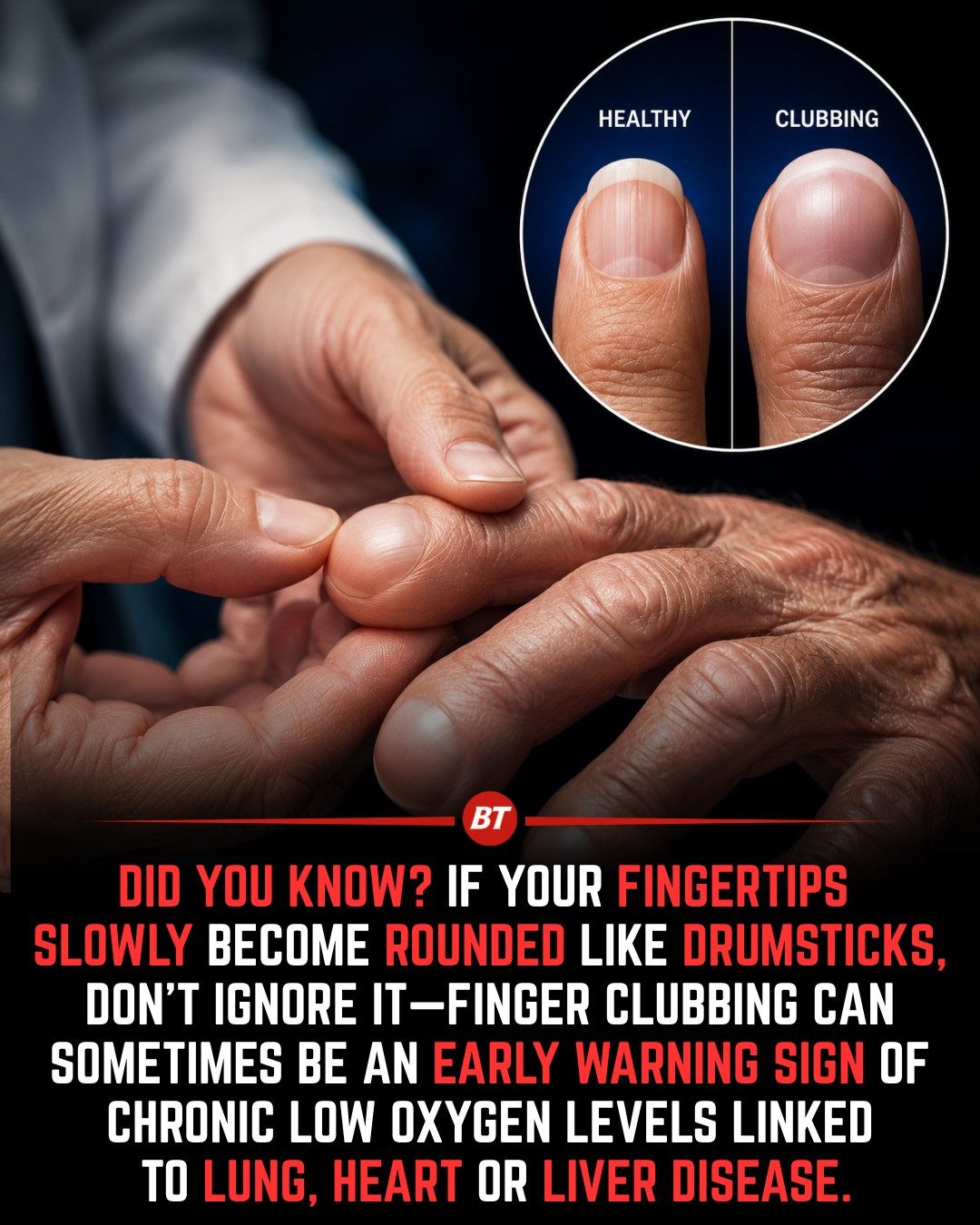
Finger Clubbing: An Early Warning Sign of Health Issues
Finger clubbing is a condition where the fingertips gradually become wider and more rounded, causing the nails to curve downward. This change, while subtle, can be an early indicator of several underlying medical conditions. Understanding the causes, implications, and when to seek medical attention can be crucial for early detection and treatment.
Context
Finger clubbing is not merely a cosmetic issue; it is a clinical sign that should prompt evaluation for underlying health conditions. It is most commonly associated with chronic lung diseases, but can also indicate heart, liver, or inflammatory bowel disorders. Because it develops slowly, many people may not notice the change until significant changes occur.
Main Discussion
Understanding Finger Clubbing
Finger clubbing develops when the tissue beneath the fingernails slowly thickens over time. This thickening is believed to be caused by chronic low oxygen levels and increased blood flow to the fingertips. These changes stimulate the growth of soft tissue around the nail bed. The exact mechanism behind this process is not fully understood, but it is clear that the condition is linked to various systemic diseases.
Chronic Low Oxygen Levels
One of the primary drivers of finger clubbing is chronic low oxygen levels in the blood. This can result from conditions affecting the lungs, heart, or even the liver. Chronic lung diseases, such as lung cancer, pulmonary fibrosis, cystic fibrosis, and bronchiectasis, are commonly associated with finger clubbing. These conditions reduce the lungs' ability to oxygenate the blood, leading to a cascade of physiologic changes that can manifest as finger clubbing.
Heart Conditions
Certain congenital heart conditions can also cause finger clubbing. These conditions reduce blood oxygen levels, particularly those that result in cyanosis, a bluish discoloration of the skin due to lack of oxygen. The body attempts to compensate for this by increasing blood flow to the extremities, which can lead to the characteristic changes in the fingertips.
Liver and Inflammatory Diseases
Liver diseases and inflammatory bowel disorders are less commonly associated with finger clubbing, but they can also be underlying causes. These conditions can lead to systemic inflammation and reduced oxygenation, contributing to the thickening of the tissue beneath the fingernails.
Recognizing Finger Clubbing
Recognizing finger clubbing early can be challenging because the changes occur gradually. It is essential to be aware of the signs and to examine your fingertips regularly. Healthy nails usually form a gentle angle where the nail meets the cuticle. If your fingertips have become noticeably broader, more bulbous, or your nails curve downward more than before, it could be a sign of finger clubbing. Pay particular attention if the change is new or accompanied by other symptoms such as persistent cough, shortness of breath, chest pain, unexplained weight loss, or fatigue.
Practical Tips
Regular Self-Exams
One of the best ways to detect finger clubbing early is to perform regular self-exams. Look at your fingernails from the side and observe the angle where the nail meets the cuticle. If you notice any changes in the shape of your fingernails or fingertips, consider scheduling a medical evaluation. Early detection can lead to timely intervention and better health outcomes.
Comparing with Old Photographs
Sometimes, the changes in your fingertips are so gradual that you might not notice them until you compare them with older photographs. If you have photographs from several years ago, use them as a reference to see if there have been any changes in the shape of your fingertips and nails.
When to See a Doctor
If you notice finger clubbing and it is accompanied by other symptoms such as unexplained weight loss, fatigue, chest pain, or persistent cough, it is crucial to seek medical attention. Your doctor can perform a thorough evaluation and order necessary tests to determine the underlying cause. Early assessment can be pivotal in managing and treating the condition effectively.
Important Takeaways
- Finger clubbing is an early warning sign of chronic diseases, including lung, heart, and liver conditions.
- It develops due to chronic low oxygen levels and increased blood flow to the fingertips.
- Regular self-exams and comparing with old photographs can help detect the condition early.
- Accompanying symptoms such as cough, shortness of breath, and unexplained weight loss should prompt a medical evaluation.
- Early detection and treatment of the underlying condition can significantly improve health outcomes.
Conclusion
Finger clubbing is a subtle but important clinical sign that should not be ignored. By understanding its causes and recognizing the early signs, you can take proactive steps to address any underlying health issues. Regular self-exams, awareness of accompanying symptoms, and timely medical evaluations are crucial in managing and treating the condition effectively. If you notice changes in your fingertips, do not hesitate to consult a healthcare professional for a comprehensive evaluation.
Watch the Reel
Questions readers ask
What are the early signs of finger clubbing?
Early signs of finger clubbing include a gradual widening and rounding of the fingertips, along with nails that begin to curve downward. These changes often start subtly, so it's important to compare your fingers and nails with older photographs or ask friends and family if they notice any changes.
What are the most common causes of finger clubbing?
Finger clubbing is often linked to chronic diseases that affect oxygen levels in the body. The most common causes are chronic lung diseases, such as cystic fibrosis or COPD, but it can also be associated with heart disease, liver disease, and inflammatory bowel disorders.
How is finger clubbing related to oxygen levels?
Chronic low oxygen levels in the blood can stimulate increased blood flow to the fingertips, leading to the characteristic changes in the shape of the fingertips and nails. This is why finger clubbing is often seen in individuals with chronic lung or heart conditions.
Can finger clubbing be a sign of heart disease?
Yes, finger clubbing can be an early sign of heart disease, particularly conditions that lead to chronic low oxygen levels, such as congenital heart defects, or severe heart failure. Even if you haven’t been diagnosed with lung or inflammatory bowel disease, talk to your doctor about any changes in your fingertips.
Is finger clubbing reversible?
Finger clubbing itself is not typically reversible, but treating the underlying condition can help prevent further progression and may lead to some improvement in the appearance of the fingertips. Early detection and treatment of the associated health issue is crucial.
When should I seek medical attention for finger clubbing?
If you notice changes in the shape of your fingertips or nails, it's important to consult a healthcare professional promptly. Early intervention can help identify and treat the underlying health condition, potentially improving overall health outcomes.
What conditions can be associated with finger clubbing besides lung disease?
Besides lung disease, finger clubbing can be associated with a range of conditions, including heart disease, liver disease, and inflammatory bowel disease. These conditions can all lead to chronic low oxygen levels, which in turn can cause the physical changes characteristic of finger clubbing.
Related deep dives
Similar reads based on topic and creator.




Recent articles
Fresh deep dives from the latest Reels we unpacked.




Comments
Be the first to comment.