Emergency Tracheostomy: A Critical Procedure for Restoring Airflow
Emergency tracheostomy is a vital procedure performed when a person's airway becomes completely blocked, preventing air from reaching the lungs. This medical intervention creates a new path for air to flow directly into the lungs, bypassing the obstructed airway.
Why This Matters
Emergency tracheostomy is a life-saving procedure that addresses severe respiratory emergencies. Understanding this procedure is crucial for healthcare professionals and individuals at risk of airway blockages. This knowledge can help in recognizing the urgency of the situation and the steps involved in performing the procedure.
What is an Emergency Tracheostomy?
An emergency tracheostomy is a surgical procedure performed when the airway becomes so narrow or blocked that air can no longer reach the lungs. This blockage can be caused by various factors, including severe swelling, tumors, or foreign objects. When oxygen levels in the body drop rapidly, and the patient can no longer breathe, doctors must act quickly to restore airflow.
When is It Needed?
Emergency tracheostomy is needed in situations where the airway is completely blocked, and traditional methods of restoring breathing, such as intubation, are ineffective. This procedure is typically performed in emergency settings where time is of the essence, and immediate intervention is required to save the patient's life.
The Step-by-Step Procedure
The process involves several critical steps:
-
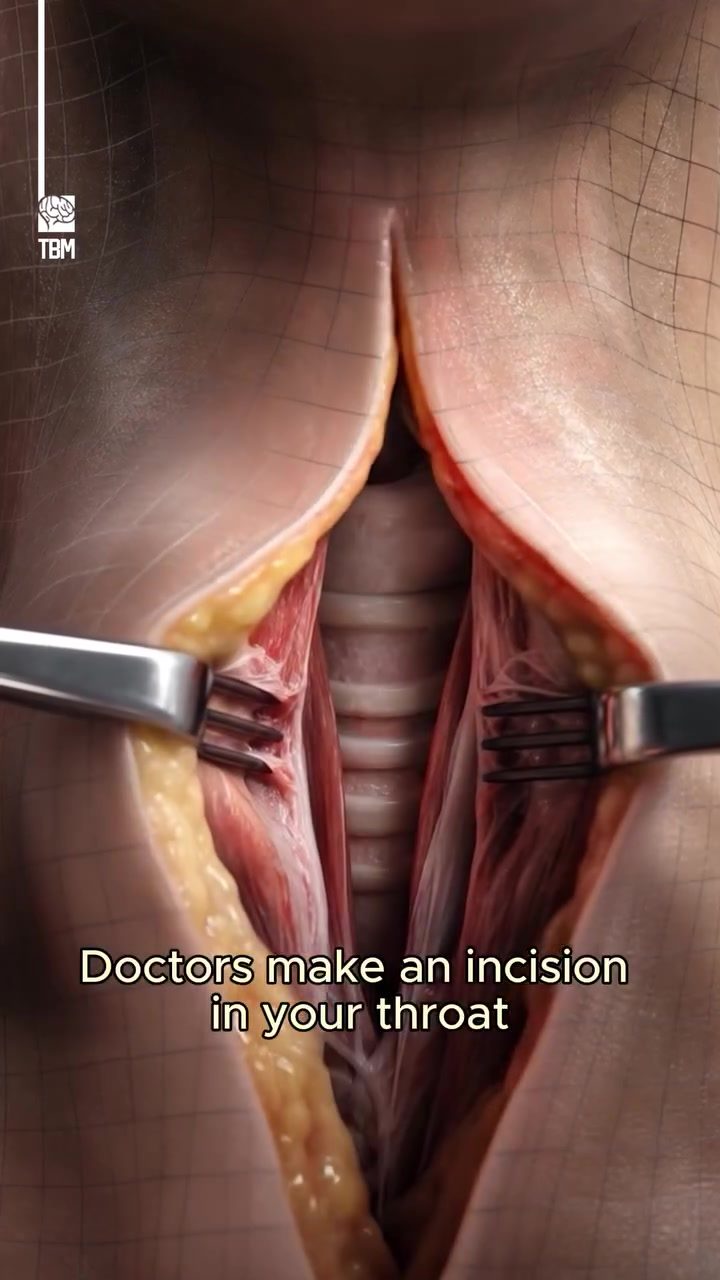
Incision: Doctors make an incision in the throat, carefully cutting through the skin and the layer of fat beneath it. This incision is typically made below the blockage to ensure a clear pathway for the breathing tube.
-
Exposing the Trachea: The thin muscles and connective tissue at the front of the neck are gently separated to expose the trachea, also known as the windpipe. This step requires precision to avoid damaging nearby structures.
-
Inserting the Breathing Tube: A breathing tube is inserted directly into the trachea below the blockage. This tube is secured in place to ensure it remains stabilized during the patient's recovery.
-
Restoring Airflow: Air can now travel directly through the tube and into the lungs, completely bypassing the blocked throat. This rapidly restores oxygen flow to the body, which can save the patient's life.
Practical Tips for Healthcare Professionals
Preparation and Equipment
- Surgical Tools: Ensure you have the necessary surgical tools, including scalpels, forceps, and tracheostomy tubes of various sizes.
- Patient Positioning: Position the patient correctly to allow easy access to the throat area. This may involve reclining the patient at a 45-degree angle.
- Anesthesia and Sedation: If time allows, administer local anesthesia to the area to minimize discomfort. In emergency situations, general anesthesia might not be feasible, and the procedure may need to be done under conscious sedation.
Techniques for Effective Tracheostomy
- Incision Technique: Use a vertical incision to easily access the trachea. This technique provides a clear view of the anatomical structures and reduces the risk of complications.
- Blind Techniques: In situations where visual access is limited, consider using a blind technique, such as the Cricothyrotomy, which involves making an incision through the cricothyroid membrane.
Post-Procedure Care
- Monitoring: Closely monitor the patient's vital signs, including heart rate, blood pressure, and oxygen saturation, to ensure the breathing tube remains in place and the patient's condition stabilizes.
- Pain Management: Provide appropriate pain management to minimize the patient's discomfort. This may include administering analgesics and anti-inflammatory medications.
- Follow-Up: Schedule regular follow-up appointments to monitor the patient's recovery and ensure there are no complications from the procedure.
Important Takeaways
Emergency tracheostomy is a critical procedure that can save lives in severe respiratory emergencies. Understanding the steps involved and the importance of timely intervention is essential for healthcare professionals. Proper preparation, precise surgical techniques, and thorough post-procedure care are vital for a successful outcome. For individuals at risk of airway blockages, knowing the signs and symptoms of an emergency situation can lead to quicker intervention and better outcomes.
Conclusion
Emergency tracheostomy is a crucial procedure that creates a new path for air to reach the lungs when the airway is completely blocked. Whether you're a healthcare professional or someone at risk of respiratory emergencies, understanding this procedure can be life-saving.
Watch the Reel
Questions readers ask
What is the primary goal of an emergency tracheostomy procedure?
The primary goal of an emergency tracheostomy is to create a new airway by making an incision in the throat, allowing air to reach the lungs when the primary airway is completely blocked. This procedure is crucial for restoring airflow during severe respiratory emergencies.
Who should know how to perform a tracheostomy in an emergency?
Healthcare professionals, especially those who may encounter respiratory emergencies, should be trained in performing an emergency tracheostomy. This includes doctors, nurses, and paramedics. Additionally, individuals at high risk of airway blockages, such as those with severe allergies or certain medical conditions, can benefit from knowing the basics of this procedure.
What are the steps involved in making an emergency incision in the throat for a tracheostomy?
The steps for an emergency tracheostomy involve stabilizing the patient, identifying the correct anatomical location, making a vertical incision through the skin and cricothyroid membrane, and inserting a tracheostomy tube. This must be done quickly and accurately to establish a patent airway.
What tools are typically used for emergency tracheostomy tube insertion?
The tools required for emergency tracheostomy tube insertion include a scalpel for making the incision, a hemostat or forceps for spreading the tissues, and a tracheostomy tube. It is essential to have these tools readily available in emergency situations to perform the procedure effectively.
What are some common causes of airway obstruction that might require an emergency tracheostomy?
Airway obstruction can be caused by various factors, including severe allergic reactions, foreign objects, burns, trauma to the neck or face, and certain medical conditions such as epiglottitis or tumors. In such cases, an emergency tracheostomy may be necessary to restore airflow and prevent respiratory arrest.
Recent articles
Fresh deep dives from the latest Reels we unpacked.




Comments
Be the first to comment.