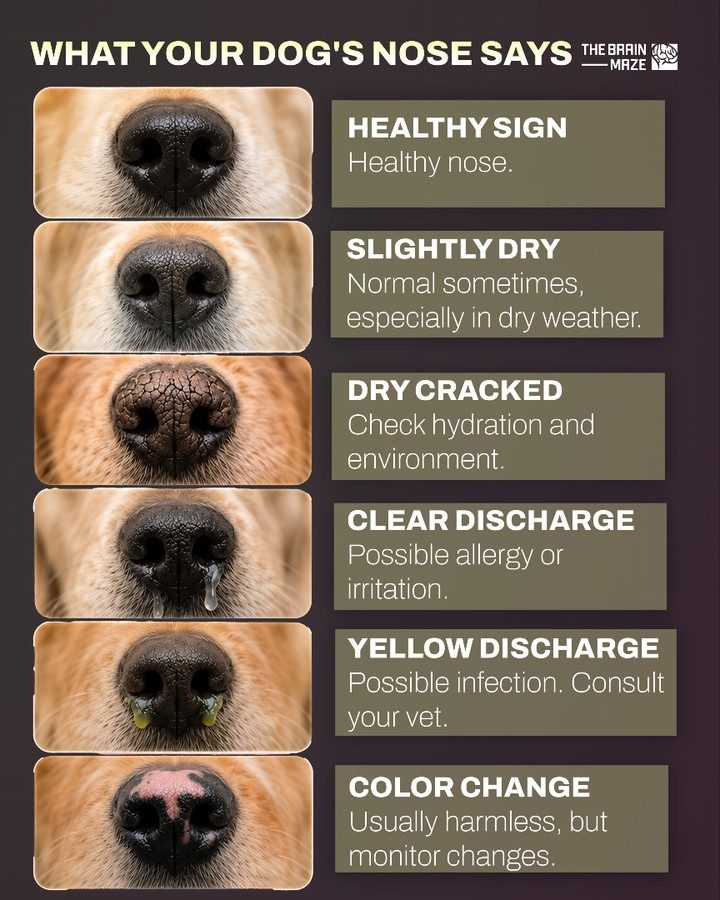
Dog Nose Health
A dog's nose is not just a cute feature; it's a crucial indicator of their overall health. By understanding what a healthy dog nose looks like and recognizing signs of potential issues, you can better care for your canine companion.
Why This Matters
Dogs rely heavily on their sense of smell, and their noses play a vital role in their daily activities. Monitoring your dog's nose can help you detect health issues early, allowing for prompt veterinary intervention and preventing more serious problems. Even minor changes in your dog's nose can signal underlying health concerns that need attention.
Understanding Normal and Abnormal Nose Appearances
Healthy Signs
A healthy dog nose is typically cool and moist. This is a sign that your dog is hydrated and in good health. Regularly checking your dog's nose can help you establish a baseline for what is normal for them. If your dog's nose is consistently healthy, you can be more confident that they are in good health overall.
Slightly Dry
Slight dryness is usually not a cause for concern. This can be a result of sleep, warm weather, or low humidity. Ensure your dog has access to plenty of fresh water and monitor their environment to see if these factors could be contributing to the dryness. If the dryness persists or worsens, it might be worth consulting a veterinarian.
Dry and Cracked
A dry and cracked nose can indicate dehydration or a skin condition. Monitor your dog's water intake and make sure they are drinking enough. If dehydration is suspected, encourage your dog to drink more water and consult a veterinarian if the issue persists. Additionally, ensure that your dog is not exposed to harsh environmental conditions that could irritate their nose.
Clear Discharge
Clear discharge from the nose is often linked to allergies or irritation. While this is generally less concerning than other types of discharge, it is still important to monitor. If the discharge becomes persistent or is accompanied by other symptoms like sneezing, itching, or changes in behavior, consult a veterinarian. Environmental factors such as pollen, dust, or certain foods could cause allergic reactions in dogs, leading to clear nasal discharge.
Yellow or Green Discharge
A yellow or green discharge is a more serious concern, as it can indicate an infection. This type of discharge often signals a bacterial, viral, or fungal infection that requires veterinary attention. If your dog has a yellow or green discharge, do not delay in seeking professional help, as untreated infections can lead to more severe health issues.
Color Change
A sudden color change in your dog's nose can be alarming, but it is not always a sign of a serious problem. Noses can change color due to sun exposure, genetics, or even the temperature. However, if the color change is accompanied by other symptoms like itching, swelling, or discharge, it is important to have it checked by a veterinarian. Nose discoloration that doesn't return to normal within a few days or is accompanied by other health issues should be closely monitored.
Practical Tips for Maintaining Your Dog's Nose Health
Regular Check-ups
Regularly inspect your dog's nose to ensure it remains healthy. Early detection of changes can help you address potential issues before they become serious. Use this as an opportunity to bond with your dog while also monitoring their health.
Hydration
Ensure your dog has access to plenty of fresh water at all times. Proper hydration is crucial for maintaining a healthy nose. In hot weather or during physical activities, make sure to provide more water to keep your dog hydrated.
Environmental Factors
Consider environmental factors that could affect your dog's nose. Protect your dog from excessive sun exposure and keep them away from harsh chemicals or irritants. These factors can cause dryness, cracking, and irritation, leading to more serious issues if left untreated.
Veterinary Consultations
If you notice any unusual changes in your dog's nose, do not hesitate to consult a veterinarian. Early intervention can prevent more serious health problems and ensure your dog remains healthy and happy.
Diet and Nutrition
A balanced diet rich in essential nutrients can support your dog's overall health, including their nose. Ensure your dog is eating a high-quality diet tailored to their specific needs. Consult your veterinarian for diet recommendations if necessary.
Important Takeaways
Regular Monitoring
Regularly monitor your dog's nose for any changes in appearance and behavior. Early detection of issues can prevent more serious health problems.
Hydration and Environment
Ensure your dog is hydrated and protected from harsh environmental conditions. Proper hydration and a healthy environment are crucial for maintaining a healthy nose.
When to Seek Help
Consult a veterinarian if you notice persistent or severe changes in your dog's nose, such as thick discharge, color changes, or other concerning symptoms. Prompt veterinary care can prevent more serious health issues.
Conclusion
Your dog's nose is a valuable tool for understanding their overall health. By regularly monitoring their nose and being aware of potential issues, you can ensure that your dog remains healthy and happy. Pay attention to any changes in your dog's nose and do not hesitate to seek veterinary care when needed. With proper care and attention, you can help your dog maintain a healthy nose and enjoy a long, fulfilling life.
Watch the Reel
Questions readers ask
What should a healthy dog's nose look and feel like?
A healthy dog's nose should be cool and moist to the touch. The color can vary by breed, but it is often pink, brown, or black. Any significant changes in moisture, temperature, or color could indicate potential health issues.
What does it mean if my dog's nose is dry?
A dry nose can be a sign of dehydration or other health issues. However, it's important to note that a dry nose is not always a cause for concern, as it can also be due to environmental factors like weather or sleep. If your dog's nose is consistently dry, it is best to consult a veterinarian.
What should I do if I notice discharge from my dog's nose?
Nasal discharge can be a sign of an infection, allergies, or other health issues. If you notice discharge, monitor it closely. If the discharge is thick, colored, or accompanied by other symptoms like sneezing or lethargy, contact your veterinarian promptly.
Is it normal for a dog's nose to change color?
Some color changes can be normal and temporary, often due to environmental factors. However, sudden or drastic color changes, especially if accompanied by other symptoms, can indicate health issues such as autoimmune disorders or certain infections. If you notice a significant or persistent color change, consult your veterinarian.
How can I keep my dog's nose healthy?
To maintain your dog's nose health, ensure they stay hydrated and avoid exposure to harsh chemicals or irritants. Regularly check their nose for any signs of discharge, dryness, or color changes. If you notice any abnormalities, consult your veterinarian for guidance.
What are some common health issues indicated by changes in a dog's nose?
Changes in a dog's nose can indicate various health issues, including infections, allergies, dehydration, autoimmune disorders, or even more serious conditions like cancer. Regularly monitoring your dog's nose can help you detect these issues early, allowing for prompt veterinary intervention.
Should I be concerned if my dog's nose is warm?
A dog's nose temperature can fluctuate throughout the day. If your dog's nose feels warm but they are otherwise acting normally, it may not be cause for concern. However, if the warmth is accompanied by other symptoms like lethargy, loss of appetite, or discharge, it could indicate an infection or other health issue. In such cases, consult your veterinarian.
Recent articles
Fresh deep dives from the latest Reels we unpacked.




Comments
Be the first to comment.