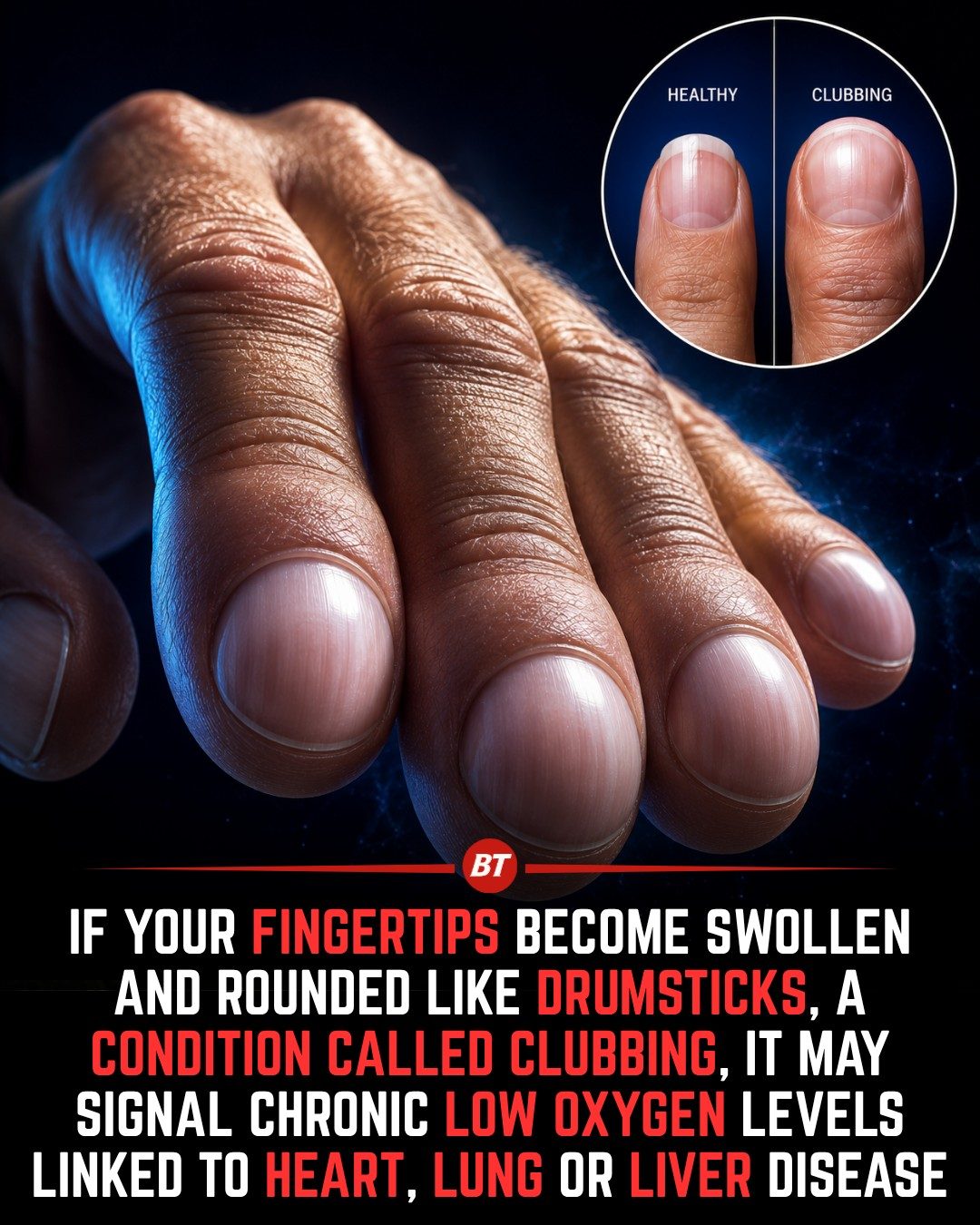
Clubbing of the Fingertips: A Silent Sign of Underlying Health Issues
Clubbing of the fingertips, a condition where the fingertips become swollen and rounded, resembling drumsticks, is a subtle but significant sign that should not be ignored. This condition, known as digital clubbing, can indicate chronic low oxygen levels in the body, which are often linked to serious health issues.
Context / Why this matters
Digital clubbing is more than just a cosmetic change; it serves as a critical warning sign of various underlying health conditions. Understanding this condition can prompt individuals to seek medical attention, leading to early detection and management of serious illnesses. The condition itself is usually painless, but it often signals that something more profound is happening within the body.
Main discussion
What Causes Digital Clubbing?
Under normal conditions, tiny blood vessels in the fingertips regulate blood flow and tissue growth. However, when the body experiences persistent low oxygen levels over months or years, it responds by releasing growth factors. These growth factors stimulate the formation of new blood vessels and connective tissue in the fingers. Over time, this excess tissue buildup causes the fingertips to enlarge, the nails to curve downward, and the ends of the fingers to take on a rounded appearance, a characteristic known as clubbing.
What Conditions are Linked to Digital Clubbing?
Researchers have linked digital clubbing to several conditions that affect oxygen delivery. These include:
- Chronic Lung Diseases: Conditions such as chronic obstructive pulmonary disease (COPD) and interstitial lung disease can impair oxygen supply to the body.
- Lung Cancer: In some cases, lung cancer can cause clubbing as the tumor disrupts normal lung function.
- Congenital Heart Disease: Heart defects present at birth can affect blood oxygenation and lead to clubbing.
- Pulmonary Fibrosis: This condition involves scarring and thickening of the lung tissue, which impairs the lungs' ability to transfer oxygen to the bloodstream.
- Cystic Fibrosis: A genetic disorder that affects the lungs and digestive system, causing thick, sticky mucus that can block airways and impair oxygen delivery.
- Liver Disorders: Certain liver diseases, such as cirrhosis, can lead to reduced oxygen levels in the blood and subsequent clubbing.
The Mechanism Behind Digital Clubbing
One theory suggests that large cells and growth factors, which are normally filtered out by healthy lungs, enter the bloodstream when lung function is impaired. These substances then accumulate in the fingertips, triggering abnormal tissue growth and changes in the nail bed. This process explains why clubbing can sometimes appear before a person realizes they have an underlying illness, making it an early warning sign.
Practical tips
How to Recognize Digital Clubbing
Try placing the nails of your index fingers together. Normally, a small diamond-shaped gap appears between the nails. If that gap disappears and your fingertips appear enlarged or unusually rounded, it is worth discussing with a healthcare professional. This is especially important if you also experience other symptoms such as:
- Shortness of Breath: Difficulty breathing, especially during physical activity, can indicate a lung or heart issue.
- Chronic Cough: A persistent cough that does not go away with treatment.
- Fatigue: Extreme tiredness that does not improve with rest.
- Chest Pain: Discomfort or tightness in the chest.
- Unexplained Weight Loss: Losing weight without trying, which can be a sign of various illnesses, including cancer.
When to Seek Medical Attention
If you notice signs of digital clubbing, especially combined with other symptoms, it is crucial to consult a healthcare provider. Early detection and intervention can significantly improve outcomes for many of the conditions linked to digital clubbing. Regular check-ups and open communication with your healthcare team can help manage and monitor your health effectively.
Important Takeaways
- Digital clubbing is a condition where the fingertips become swollen and rounded, resembling drumsticks.
- It can indicate chronic low oxygen levels in the body, which are often linked to serious health conditions.
- Conditions associated with digital clubbing include chronic lung diseases, lung cancer, congenital heart disease, pulmonary fibrosis, cystic fibrosis, and certain liver disorders.
- Recognizing digital clubbing early can prompt individuals to seek medical attention, leading to better health outcomes.
Conclusion
Digital clubbing is a silent but critical sign of underlying health issues that should not be ignored. By understanding the causes and recognizing the symptoms, individuals can take proactive steps towards early detection and management of serious illnesses. If you notice changes in your fingertips, combined with other symptoms, do not hesitate to consult a healthcare professional. Early intervention can make a significant difference in managing and treating the underlying conditions.
Watch the Reel
Questions readers ask
What are the primary symptoms of digital clubbing?
The primary symptoms of digital clubbing include swollen fingertips, rounding of the fingertips, and a change in the angle of the nails, which can resemble tiny drumsticks. The condition is usually painless, making it easy to overlook without a keen eye for the changes.
What are the most common causes of digital clubbing and how does it relate to oxygen levels in the body?
Digital clubbing is often associated with chronic low oxygen levels in the body. Common causes include lung diseases like COPD and cystic fibrosis, heart diseases that affect oxygenation, and liver diseases. The body responds to the low oxygen levels by increasing blood flow to the fingertips, leading to swelling and the characteristic clubbing appearance.
What diseases are associated with finger clubbing?
Finger clubbing can be linked to a variety of serious health conditions, including chronic obstructive pulmonary disease (COPD), cystic fibrosis, heart disease, and certain types of liver disease. It can also be associated with certain types of cancer, such as lung cancer and some gastrointestinal cancers. If you notice this symptom, it is important to consult a healthcare professional for further investigation.
How is digital clubbing typically diagnosed?
Diagnosis of digital clubbing often begins with a visual examination of the fingertips. A doctor will assess the shape and texture of the nails and fingers. To determine the underlying cause, further diagnostic tests may be required, such as blood tests, chest X-rays, or lung function tests. These tests help identify any associated health conditions and guide appropriate treatment.
What should I do if I notice symptoms of digital clubbing?
If you notice symptoms of digital clubbing, such as swelling and rounding of the fingertips, it's important to schedule a medical appointment promptly. Early detection and management of the underlying health condition can significantly improve outcomes. A healthcare provider can perform a thorough examination and order necessary tests to identify the cause and develop a suitable treatment plan.
Related deep dives
Similar reads based on topic and creator.




Recent articles
Fresh deep dives from the latest Reels we unpacked.




Comments
Be the first to comment.