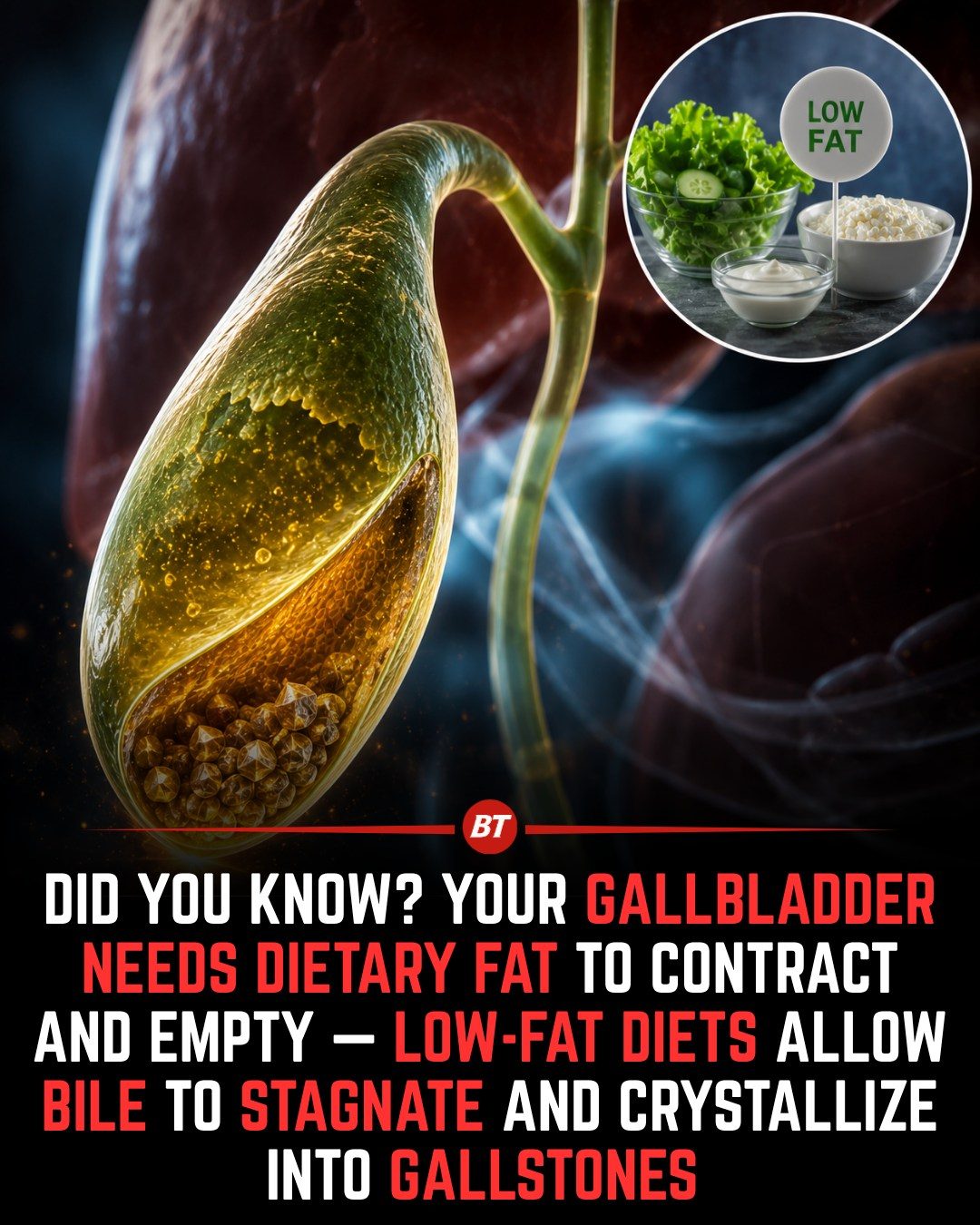
Gallbladder Health and the Role of Dietary Fat
Gallbladder health is a key component of overall digestive well-being. The gallbladder is a small organ that plays a crucial role in the digestion of fats. Understanding how dietary fat influences gallbladder function can help maintain its health and prevent potential issues like gallstones.
Why This Matters
The gallbladder stores and concentrates bile, a digestive fluid produced by the liver. When a meal containing fat reaches the small intestine, the body releases a hormone called cholecystokinin (CCK). This hormone signals the gallbladder to contract and release bile, which helps break down and absorb fats as well as the fat-soluble vitamins A, D, E, and K. Maintaining a healthy gallbladder is essential for efficient digestion and nutrient absorption.
The Impact of Dietary Fat on Gallbladder Function
The Role of Dietary Fat
Dietary fat is vital for the gallbladder to function properly. When a meal contains fat, the gallbladder contracts and releases bile into the small intestine. This process is essential for the breakdown and absorption of fats. Without enough healthy fat in your meals, bile can sit in the gallbladder for too long, leading to stagnation. Over time, this stagnant bile can become increasingly concentrated and may begin to form cholesterol crystals, which can gradually grow into gallstones.
Low-Fat Diets and Gallstones
Low-fat diets can have a significant impact on gallbladder health. When meals contain very little fat, the gallbladder doesn't empty as effectively. This can lead to bile remaining in the gallbladder longer than it should, becoming increasingly concentrated. In some people, this stagnant bile may begin to form cholesterol crystals, which can gradually grow into gallstones. Research has shown that very low-fat diets, prolonged fasting, and rapid weight loss are all associated with an increased risk of gallstone formation.
The Mechanism Behind Gallstone Formation
Gallstones are hard deposits that form in the gallbladder. They can be as small as a grain of sand or as large as a golf ball. Most gallstones are made of cholesterol, but some are made of bilirubin, a waste product produced when the body breaks down red blood cells. The formation of gallstones is influenced by several factors, including diet, weight, and genetics. Dietary fat plays a crucial role in this process. When the gallbladder is not emptied regularly due to a lack of dietary fat, the bile can become overly concentrated, leading to the formation of gallstones.
Practical Tips for Gallbladder Health
Incorporate Healthy Fats
Including a source of healthy fat with each main meal can help stimulate normal gallbladder emptying. Foods such as extra-virgin olive oil, avocados, nuts, seeds, and fatty fish are excellent sources of healthy fats. These foods provide essential nutrients that support heart and metabolic health while keeping the gallbladder active.
Maintain a Healthy Weight
Maintaining a healthy weight is crucial for gallbladder health. Rapid weight loss and prolonged fasting can increase the risk of gallstone formation. Aim for a balanced diet and gradually incorporate healthy fats to support your gallbladder and overall health.
Avoid Crash Diets
Crash diets and rapid weight loss can disrupt the normal functioning of the gallbladder. Instead of opting for quick fixes, focus on long-term, sustainable weight management strategies. This includes a balanced diet rich in healthy fats, regular exercise, and adequate hydration.
Important Takeaways
- Dietary fat is essential for gallbladder function. It signals the gallbladder to contract and release bile, which aids in fat digestion and nutrient absorption.
- Low-fat diets can lead to bile stagnation, increasing the risk of gallstone formation.
- Include moderate amounts of healthy fats in your diet, such as avocados, nuts, seeds, and fatty fish, to support gallbladder health.
- Maintain a healthy weight and avoid crash diets to reduce the risk of gallstones.
Conclusion
Understanding the role of dietary fat in gallbladder health is crucial for maintaining digestive well-being. Incorporating healthy fats into your diet, maintaining a healthy weight, and avoiding crash diets can support gallbladder function and reduce the risk of gallstone formation. By following these practical tips, you can promote long-term digestive health and overall well-being.
Watch the Reel
Questions readers ask
How does dietary fat contribute to gallbladder health?
Dietary fat plays a vital role in gallbladder health by stimulating the release of bile, which is essential for fat digestion. When you consume fats, your body produces cholecystokinin, a hormone that signals the gallbladder to contract and release stored bile. This process helps to break down and absorb fats and fat-soluble vitamins, promoting better digestive health.
What are the risks of a low-fat diet for the gallbladder?
A low-fat diet can lead to insufficient bile release, causing bile to stagnate in the gallbladder. This stagnation increases the likelihood of gallstone formation. To maintain gallbladder health and prevent gallstones, it is important to include healthy fats in your diet.
What are some of the best fats to include in a gallbladder-friendly diet?
Healthy fats for gallbladder health include monounsaturated and polyunsaturated fats found in foods like avocados, nuts, seeds, olive oil, and fatty fish. These fats support the release of bile and promote better overall digestion and nutrient absorption.
Can meal planning help in maintaining long-term gallbladder health?
yes, incorporating healthy fats into your meal planning can support long-term gallbladder health. Ensuring that each meal includes a source of healthy fat, such as adding avocados to salads or using olive oil for cooking, can help maintain a healthy gallbladder. Regular consumption of these fats helps to maintain a healthy gallbladder.
How does maintaining a healthy weight support gallbladder health?
Maintaining a healthy weight is important for gallbladder health as excess weight can increase the risk of gallstones. A balanced diet with healthy fats, along with regular physical activity, can help manage weight and support gallbladder function. Proper weight management promotes better bile flow and reduces the risk of gallbladder issues.
Related deep dives
Similar reads based on topic and creator.




Recent articles
Fresh deep dives from the latest Reels we unpacked.




Comments
Be the first to comment.