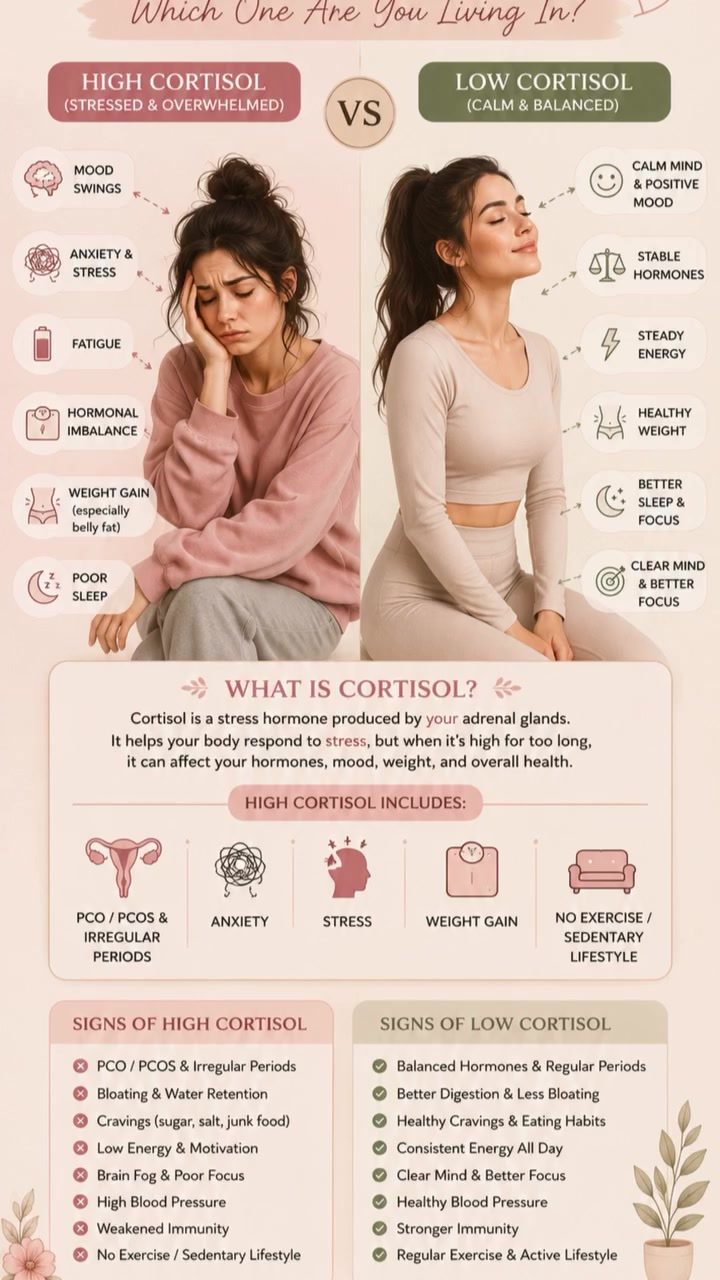
Understanding Cortisol: The Stress Hormone and Its Impacts
Cortisol, a stress hormone produced by the adrenal glands, plays a pivotal role in managing stress and maintaining bodily functions. While it is crucial for survival, imbalances in cortisol levels can lead to various health complications, affecting both physical and mental well-being.
Why Cortisol Matters
Cortisol is the primary hormone that helps the body respond to stress. It regulates blood sugar levels, regulates metabolism, helps control blood pressure, and reduces inflammation. However, when cortisol levels remain elevated for extended periods, it can disrupt the delicate balance of hormones, mood, sleep, and overall health. Chronic high cortisol levels can result in anxiety, weight gain, poor sleep, hormonal imbalances, and other health issues.
Main Discussion
What is Cortisol?
Cortisol is a steroid hormone produced by the adrenal glands, which are small glands located on top of the kidneys. It is released in response to stress and helps the body cope with stressful situations. Cortisol affects various bodily functions, including metabolism, immune response, and blood sugar regulation. While it is essential for managing stress, chronic high cortisol levels can have detrimental effects on health.
High Cortisol: Signs and Symptoms
Elevated cortisol levels, often referred to as "high cortisol," can manifest in several ways:
- Chronic Stress and Anxiety: Persistent stress and anxiety are common signs of high cortisol levels. This ongoing stress can lead to a constant state of "fight or flight," making it difficult to relax and rest.
- Poor Sleep: High cortisol levels can interfere with the sleep-wake cycle, leading to insomnia or restless sleep. This can further exacerbate stress and anxiety, creating a vicious cycle.
- Low Energy: Despite feeling stressed and anxious, individuals with high cortisol levels often experience low energy and fatigue. This occurs because the body is constantly in a state of heightened alertness, which can be draining.
- Mood Swings: Cortisol imbalances can cause mood swings, irritability, and depression. The body's hormonal disruptions can affect neurotransmitters in the brain, leading to emotional instability.
- Weight Gain: Excess cortisol can lead to weight gain, particularly around the belly. This is because cortisol promotes the storage of fat in the abdominal area, increasing the risk of obesity and related health issues.
- Hormonal Imbalance and PCOS Symptoms: High cortisol levels can disrupt the balance of other hormones in the body, leading to conditions like polycystic ovary syndrome (PCOS) in women. Symptoms of hormonal imbalance can include irregular periods, acne, and excessive facial hair growth.
Low Cortisol: Signs and Symptoms
Low cortisol levels, while less common, can also have significant health impacts:
- Low Energy and Motivation: Individuals with low cortisol levels often experience persistent fatigue, low energy, and a lack of motivation. This can affect daily activities and overall productivity.
- Brain Fog and Poor Focus: Low cortisol can lead to cognitive impairment, including brain fog, poor concentration, and difficulty focusing. This can impact both personal and professional life, making it difficult to complete tasks and maintain productivity.
- Weakened Immunity: Cortisol plays a role in regulating the immune system, and low levels can weaken immunity, making individuals more susceptible to infections and illnesses.
- Poor Digestion and Bloating: Low cortisol can affect digestion, leading to symptoms like bloating, water retention, and poor digestion. This can result in discomfort and may affect overall well-being.
- Cramping: Low cortisol levels can also cause irregular menstrual cycles, increasing the risk of menstrual cramps and affecting overall menstrual health.
Practical Tips for Managing Cortisol Levels
Managing cortisol levels involves a combination of lifestyle changes and practical habits. Here are some tips to support healthy cortisol levels:
Prioritize Quality Sleep
Quality sleep is essential for regulating cortisol levels. Aim for 7-9 hours of uninterrupted sleep per night. Establish a consistent sleep schedule, create a relaxing bedtime routine, and ensure a comfortable sleep environment.
Engage in Strength Training and Daily Movement
Regular physical activity, including strength training and daily movement, can help regulate cortisol levels. Aim for at least 30 minutes of exercise most days of the week. This can include activities like walking, running, yoga, or strength training.
Eat Protein-Rich Whole Foods
A balanced diet rich in protein, whole foods, and essential nutrients can support healthy cortisol levels. Include foods like lean proteins, whole grains, fruits, and vegetables in your diet. Avoid processed foods, sugars, and excessive caffeine, as they can disrupt hormone balance.
Stay Hydrated
Proper hydration is crucial for overall health and hormone regulation. Aim to drink at least 8 glasses of water daily. Staying hydrated can help maintain healthy cortisol levels and support overall well-being.
Manage Stress
Chronic stress is a significant contributor to high cortisol levels. Manage stress through practices like mindfulness, meditation, deep breathing, dhikr, and dua. Spending time outdoors, engaging in hobbies, and practicing self-care can also help reduce stress and support healthy cortisol levels.
Important Takeaways
- Cortisol is the primary stress hormone that helps the body respond to stress.
- High cortisol levels can lead to chronic stress, anxiety, poor sleep, low energy, mood swings, weight gain, and hormonal imbalances.
- Low cortisol levels can result in low energy, brain fog, weakened immunity, poor digestion, and menstrual cramps.
- Managing cortisol levels involves a combination of lifestyle changes, including quality sleep, regular exercise, a balanced diet, proper hydration, and stress management.
Conclusion
Cortisol plays a vital role in managing stress and maintaining overall health. However, imbalances in cortisol levels can lead to various health complications. By understanding the signs and symptoms of high and low cortisol levels and implementing practical habits, you can support healthy cortisol levels and improve overall well-being. Prioritizing self-care, managing stress, and maintaining a healthy lifestyle are essential for keeping cortisol levels in check and promoting optimal health.
Watch the Reel
Questions readers ask
What are the main symptoms of high cortisol levels?
High cortisol levels can manifest in several ways. Common symptoms include increased anxiety, difficulty sleeping, weight gain, particularly around the midsection, and mood swings. Other signs can include high blood pressure, weakened immune system, and increased facial hair in women.
How does cortisol affect sleep?
Cortisol plays a significant role in regulating sleep patterns. Normally, cortisol levels rise in the morning to help you wake up and fall at night to promote sleep. However, chronic stress can disrupt this cycle, leading to elevated cortisol levels at night, which can cause insomnia or poor sleep quality.
Can cortisol levels impact weight gain, specifically belly fat?
Yes, high cortisol levels can lead to weight gain, particularly around the belly area. This happens because cortisol promotes fat storage, especially in the abdominal region. Additionally, high cortisol can increase appetite and cravings for unhealthy foods, further contributing to weight gain.
What are some effective strategies to lower cortisol levels?
To lower cortisol levels, engage in stress-reducing activities such as exercise, meditation, and deep breathing exercises. Maintaining a consistent sleep schedule, eating a balanced diet, and avoiding caffeine and sugar can also help. Additionally, practices like yoga and mindfulness can be beneficial in managing stress and reducing cortisol levels.
How does cortisol relate to anxiety and mood swings?
Cortisol is closely linked to anxiety and mood swings. High cortisol levels can exacerbate feelings of anxiety and stress, creating a vicious cycle. Similarly, chronic stress and elevated cortisol can lead to mood swings, irritability, and even depression. Managing stress and cortisol levels can help stabilize mood and reduce anxiety.
Can cortisol levels affect energy levels throughout the day?
Yes, cortisol levels directly impact energy levels. Cortisol follows a daily rhythm, peaking in the morning to help you feel alert and then declining throughout the day. Disruptions in this rhythm, often due to stress, can lead to fatigue, especially in the morning, and feelings of restlessness or irritability later in the day.
What is the connection between cortisol and Polycystic Ovary Syndrome (PCOS)?
Cortisol imbalances can exacerbate symptoms of PCOS, a hormonal disorder. High cortisol levels can interfere with other hormones, such as insulin and androgens, which are already disrupted in PCOS. This can lead to increased symptoms like weight gain, irregular periods, and acne, as well as difficulties with fertility.
Related deep dives
Similar reads based on topic and creator.




Recent articles
Fresh deep dives from the latest Reels we unpacked.




Comments
Be the first to comment.