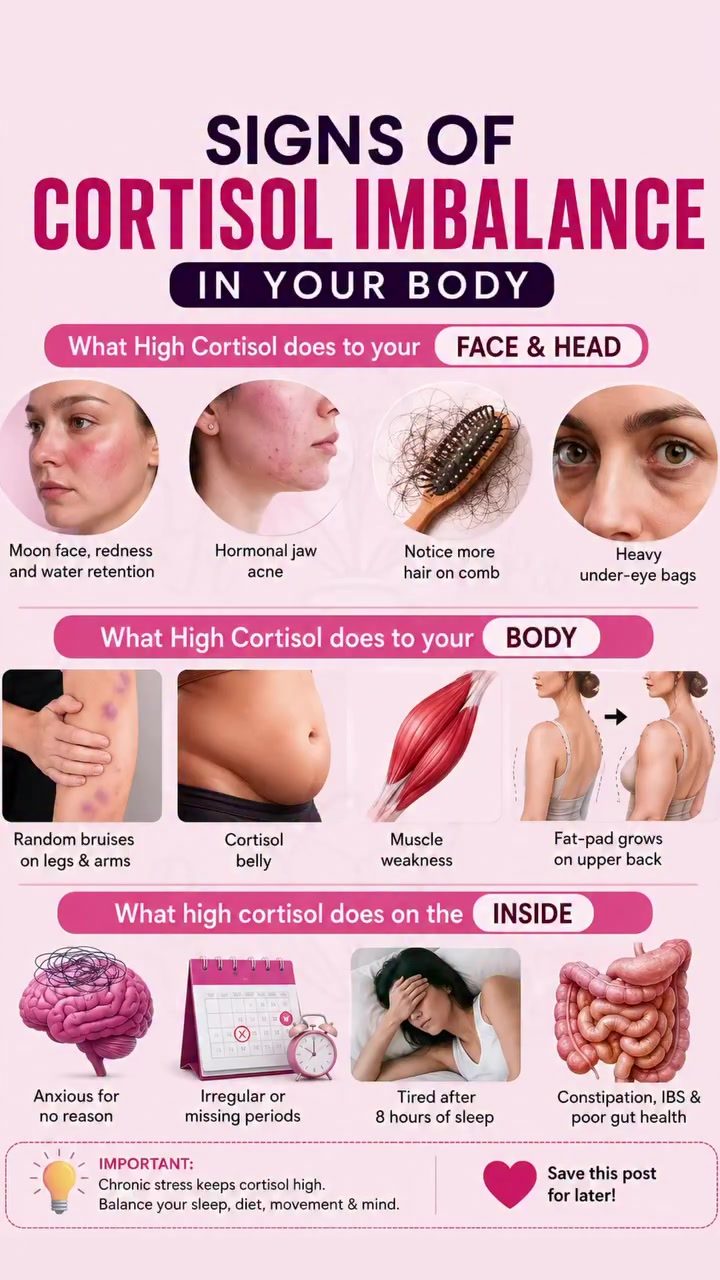
Signs of Cortisol Imbalance
Cortisol, a hormone released by the adrenal glands, plays a crucial role in the body's stress response. While short-term cortisol spikes can be beneficial, chronic elevation can lead to a range of symptoms. Understanding the signs of cortisol imbalance is essential for recognizing when it might be time to address stress levels. This imbalance doesn’t just affect your mind—it can manifest in various physical ways. Here’s a comprehensive guide to help you identify and manage these signs.
Why This Matters
Chronic stress and elevated cortisol levels can significantly impact overall health. Recognizing these signs is the first step toward managing stress effectively and improving well-being. By understanding how cortisol imbalance affects the body, you can take proactive steps to maintain better health. This guide will help you identify the signs and provide practical tips to balance your cortisol levels.
Main Discussion
Cortisol Imbalance and Its Effects
Cortisol imbalance can manifest in various ways, affecting the face, body, and internal health. Identifying these signs can help you take the necessary steps to manage stress and improve your overall well-being. Let's delve into the specific symptoms.
Facial and Head Symptoms
One of the most visible indicators of elevated cortisol levels is the changes it can bring to the face and head. Some common signs include:
- Moon Face: A rounding of the face, often due to water retention, can be a sign of high cortisol levels.
- Redness and Water Retention: Increased redness and puffiness in the face can indicate elevated cortisol.
- Hormonal Jaw Acne: Persistent acne, particularly around the jawline, can be linked to hormonal imbalances caused by cortisol.
- Heavy Under-Eye Bags: Consistent fatigue and stress can lead to dark circles and puffiness under the eyes.
- Increased Hair Loss: Noticing more hair on your comb or brush can be a sign of hormonal imbalances affecting the scalp.
Body Symptoms
Cortisol imbalance can also affect the body in several ways, some of which are less visible but equally important to address. These include:
- Random Bruises: Unexplained bruises on the legs and arms can be a sign of weakened blood vessels, which can be exacerbated by high cortisol levels.
- Cortisol Belly: Weight gain around the abdomen, often referred to as a "cortisol belly," is a common symptom of elevated cortisol.
- Muscle Weakness: Chronic stress can lead to muscle weakness and fatigue, making it difficult to perform daily activities.
- Fat-Pad Growth on the Upper Back: An increase in fat deposits on the upper back can also be linked to cortisol imbalance.
Internal Symptoms
Cortisol imbalance doesn’t just affect the visible parts of the body. It can also lead to various internal symptoms, including:
- Anxiety and Mood Swings: Chronic stress can lead to increased feelings of anxiety and mood swings, even when there's no apparent reason.
- Irregular or Missing Periods: Hormonal imbalances can disrupt the menstrual cycle, leading to irregular or absent periods.
- Fatigue: Feeling tired after a full night's sleep can be a sign of chronic stress and elevated cortisol levels.
- Digestive Issues: Symptoms such as constipation, irritable bowel syndrome (IBS), and poor gut health can be linked to high cortisol levels.
Practical Tips
Managing cortisol levels involves a holistic approach that balances sleep, diet, movement, and mental well-being. Here are some practical tips to help you manage stress and balance your cortisol levels:
Prioritize Quality Sleep
- Maintain a Consistent Sleep Schedule: Aim for 7-9 hours of sleep per night and try to go to bed and wake up at the same time every day.
- Create a Relaxing Bedtime Routine: Activities such as reading, taking a warm bath, or practicing relaxation techniques can help prepare your body for sleep.
- Optimize Your Sleep Environment: Ensure your bedroom is dark, quiet, cool, and comfortable.
Adopt a Balanced Diet
- Eat a Nutrient-Rich Diet: Focus on whole foods, including fruits, vegetables, lean proteins, and whole grains.
- Limit Processed Foods and Sugars: High sugar intake can exacerbate stress and contribute to cortisol imbalance.
- Stay Hydrated: Drink plenty of water throughout the day to support overall health and well-being.
Incorporate Regular Exercise
- Find Activities You Enjoy: Whether it's walking, swimming, or yoga, choose exercises that you find enjoyable and sustainable.
- Aim for Moderate Intensity: Regular moderate-intensity exercise can help reduce stress and improve mood.
- Stay Consistent: Aim for at least 30 minutes of physical activity most days of the week.
Manage Stress with Mindfulness
- Practice Relaxation Techniques: Techniques such as deep breathing, meditation, and progressive muscle relaxation can help manage stress and lower cortisol levels.
- Engage in Hobbies: Activities that bring you joy and relaxation can help reduce stress and improve mental well-being.
- Seek Support: Don’t hesitate to reach out to friends, family, or a mental health professional if you’re feeling overwhelmed.
Important Takeaways
- Elevated cortisol levels can affect various parts of the body, including the face, body, and internal systems.
- Recognizing the signs of cortisol imbalance is the first step toward managing stress and improving overall health.
- A holistic approach to managing cortisol levels involves balancing sleep, diet, exercise, and mental well-being.
Conclusion
Understanding cortisol imbalance and its effects on the body is crucial for maintaining overall health. By recognizing the signs and taking proactive steps to manage stress, you can improve your well-being and reduce the impact of chronic stress. Prioritize quality sleep, adopt a balanced diet, engage in regular exercise, and practice relaxation techniques to keep your cortisol levels in check. Your body will thank you for it.
Watch the Reel
Questions readers ask
What are the physical signs of cortisol imbalance?
Physical signs of cortisol imbalance can include facial changes like puffiness or swelling, muscle weakness, and acne. Additionally, chronic stress and elevated cortisol levels can lead to sleep disturbances, irregular menstrual cycles, and increased susceptibility to infections.
How does cortisol imbalance affect mental health?
Cortisol imbalance can exacerbate mental health issues, leading to increased anxiety, depression, and irritability. Chronic stress can also impair cognitive function, making it harder to focus and retain information.
What causes cortisol imbalance?
Cortisol imbalance can be caused by prolonged stress, poor sleep habits, an unhealthy diet, or underlying medical conditions affecting the adrenal glands. Certain medications and lifestyle factors, such as excessive caffeine or alcohol consumption, can also contribute to cortisol imbalance.
How can I manage cortisol levels naturally?
To manage cortisol levels naturally, prioritize stress-reducing activities such as meditation, deep breathing exercises, and regular physical activity. Establish a consistent sleep schedule, maintain a balanced diet, and limit caffeine and alcohol intake.
What is the relationship between cortisol and sleep?
Cortisol levels naturally rise and fall throughout the day, with a peak in the morning and a decrease in the evening. Chronic stress and high cortisol levels can disrupt this natural cycle, leading to insomnia, restless sleep, and fatigue.
Can cortisol imbalance cause acne?
Yes, cortisol imbalance can contribute to acne breakouts. Elevated cortisol levels can increase oil production in the skin, leading to clogged pores and inflammation. Additionally, stress can exacerbate existing acne, making it harder to manage.
When should I consult a healthcare provider about cortisol imbalance?
If you experience persistent symptoms of cortisol imbalance, such as chronic fatigue, muscle weakness, facial changes, or mental health struggles, it is important to consult a healthcare provider. They can evaluate your symptoms, order necessary tests, and provide personalized treatment options.
Recent articles
Fresh deep dives from the latest Reels we unpacked.




Comments
Be the first to comment.