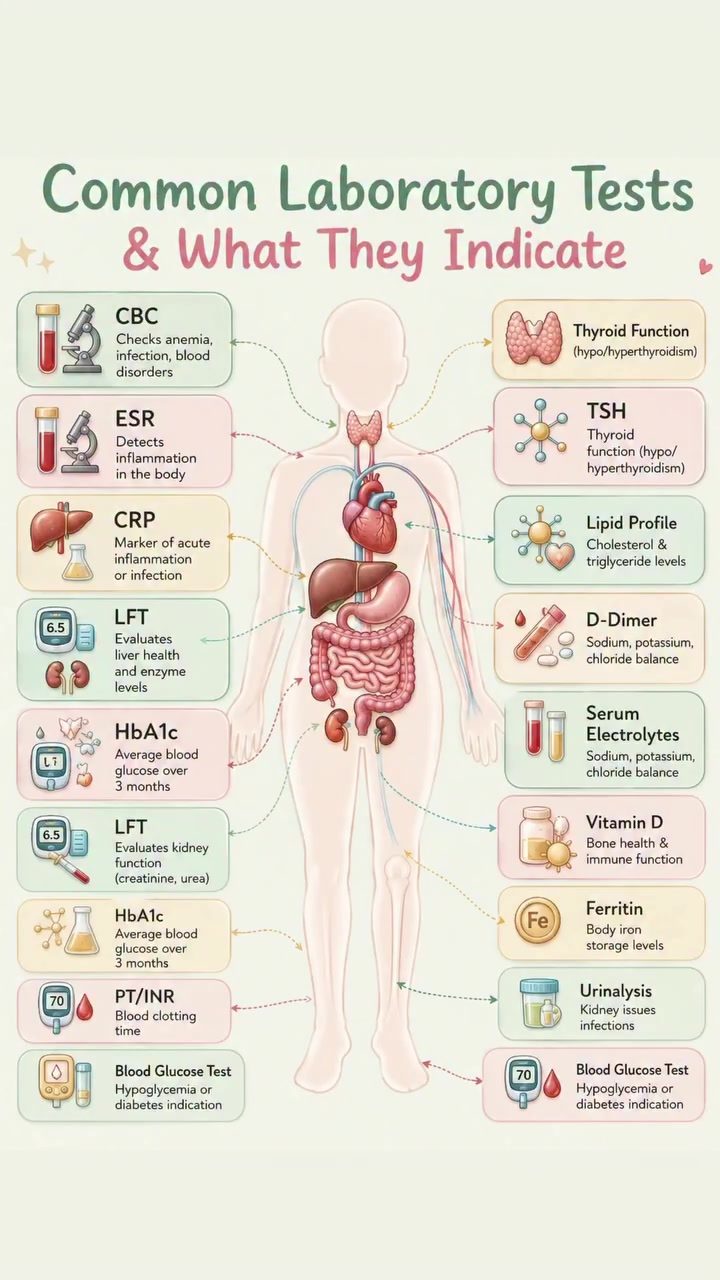
Common Laboratory Tests: Your Guide to Understanding Lab Results
Lab tests are indispensable for diagnosing illnesses, managing chronic conditions, and ensuring overall well-being. Whether you're preparing for a routine check-up or dealing with specific health concerns, understanding common lab tests can empower you to discuss your results more effectively with your healthcare provider. This guide explores the key laboratory tests, their purposes, and what the results might indicate.
Why This Matters
Proactive Health Management
Knowing what different lab tests measure allows you to engage more actively in your health management. When you understand the significance of each test, you can better track your health, identify potential issues early, and make informed decisions about your lifestyle and treatment options. Regular monitoring through these tests can also help prevent complications and improve outcomes.
Improved Communication
When you comprehend the results of your lab tests, you can have more meaningful conversations with your healthcare provider. This collaboration ensures that you both have a clear understanding of your health status, enabling more accurate diagnoses and effective treatment plans.
Common Laboratory Tests
Complete Blood Count (CBC)
A complete blood count (CBC) is one of the most common lab tests and provides valuable information about your overall health and potential blood disorders. By examining various components of your blood, a CBC can detect the following:
- Anemia: The presence of too few red blood cells, which can lead to fatigue and weakness.
- Infections: An increased number of white blood cells might indicate an active infection or inflammation.
- Blood Disorders: Abnormalities in red blood cells, white blood cells, or platelets can signal conditions like leukemia, hemophilia, or other disorders.
Erythrocyte Sedimentation Rate (ESR) and C-Reactive Protein (CRP)
ESR and CRP tests are essential for detecting inflammation in the body. Inflammation can be a sign of various conditions, including infections, autoimmune diseases, and chronic illnesses. These tests measure the amount of inflammation present and can help monitor the course of a disease or the effectiveness of treatment.
Lipid Profile
A lipid profile assesses your cholesterol and triglyceride levels, crucial for evaluating your risk of heart disease. This test typically includes measurements of:
- Total Cholesterol: The overall amount of cholesterol in your blood.
- LDL (Low-Density Lipoprotein): Often referred to as "bad" cholesterol, high levels can contribute to plaque buildup in your arteries.
- HDL (High-Density Lipoprotein): Known as "good" cholesterol, it helps remove excess cholesterol from your bloodstream.
- Triglycerides: A type of fat found in your blood, high levels of which can increase the risk of heart disease.
Thyroid Function Tests (TSH)
Thyroid function tests, such as the Thyroid-Stimulating Hormone (TSH) test, help diagnose thyroid disorders. The thyroid gland produces hormones that regulate metabolism, and abnormal TSH levels can indicate hypothyroidism (underactive thyroid) or hyperthyroidism (overactive thyroid).
Hemoglobin A1c (HbA1c) and Blood Glucose Test
The HbA1c test measures your average blood glucose levels over the past two to three months, providing a snapshot of your blood sugar control. This test is particularly important for people with diabetes, as it helps monitor the effectiveness of their treatment plan and adjust medications if necessary.
Liver Function Tests (LFT)
Liver function tests evaluate your liver health by examining specific enzymes and proteins produced by the liver. Elevated levels of these components can indicate liver damage or disease. Regular LFTs can help detect conditions such as:
- Hepatitis: Inflammation of the liver, which can be caused by viruses or other factors.
- Liver Disease: Conditions like cirrhosis or fatty liver disease.
- Drug Toxicity: Liver damage caused by medications or toxins.
Vitamin D
Vitamin D is essential for bone health and immune function. Low levels of vitamin D can lead to weakened bones and an increased risk of fractures. Adequate vitamin D intake, either through diet or supplementation, can help maintain strong bones and a healthy immune system.
Ferritin
Ferritin is a protein that stores iron in your body. A ferritin test measures the amount of iron stored in your body, which can help diagnose conditions such as:
- Iron Overload: Excessive iron storage, which can lead to organ damage.
- Iron Deficiency Anemia: Low iron levels, leading to fatigue and other symptoms.
Prothrombin Time (PT) and International Normalized Ratio (INR)
PT and INR tests assess your blood clotting time. These tests are crucial for monitoring blood clotting disorders and the effectiveness of anticoagulant medications. Properly managed blood clotting is essential for preventing excessive bleeding or blood clots.
Urinalysis
A urinalysis examines your urine for signs of kidney issues, infections, and other health problems. This test can detect:
- Kidney Disease: Abnormal levels of protein, blood, or other substances in the urine.
- Urinary Tract Infections (UTIs): The presence of bacteria or white blood cells in the urine.
Practical Tips for Interpreting Lab Results
Understand the Context
A single abnormal result does not necessarily mean you have a disease. Factors such as your symptoms, medical history, and other test results play a crucial role in interpreting lab results. Your healthcare provider will consider all these elements to provide an accurate diagnosis.
Ask Questions
If you receive unexpected or confusing lab results, don't hesitate to ask your healthcare provider for clarification. Understanding the significance of each test result can help you make informed decisions about your health.
Follow-Up Tests
In some cases, follow-up tests may be necessary to confirm a diagnosis or monitor your health status. Regular follow-ups can help track changes over time and ensure that you receive the appropriate treatment.
Important Takeaways
Regular Testing
Regular laboratory tests are vital for maintaining good health and detecting potential issues early. Whether you're managing a chronic condition or simply want to stay proactive about your health, routine testing can provide valuable insights.
Open Communication
Open communication with your healthcare provider is essential for understanding your lab results. By working together, you can develop a comprehensive health plan tailored to your specific needs.
Personalized Care
Your healthcare provider will interpret your lab results based on your unique medical history and symptoms. This personalized approach ensures that you receive the most accurate diagnosis and effective treatment.
Conclusion
Understanding common laboratory tests is key to taking control of your health. By knowing what each test measures and what the results might indicate, you can engage more actively in your healthcare, make informed decisions, and improve overall well-being. Consult your healthcare provider to discuss your lab results and develop a personalized health plan.
Watch the Reel
Questions readers ask
What is a Complete Blood Count (CBC) test and why is it important?
A CBC test is one of the most common lab tests that provides a comprehensive overview of your blood health. It measures various components, including red blood cells, white blood cells, and platelets. This test helps identify a range of conditions, from anemia and infections to blood disorders and even certain cancers.
How does a Thyroid Function Test help in managing health?
A Thyroid Function Test typically measures levels of thyroid-stimulating hormone (TSH) and thyroid hormones. This test is crucial for diagnosing and managing thyroid conditions, such as hyperthyroidism and hypothyroidism. Monitoring TSH levels helps healthcare providers adjust medication and treatment plans effectively.
What does a Lipid Profile Test measure and why is it significant?
A Lipid Profile Test measures the levels of different types of fats (lipids) in your blood, including total cholesterol, LDL (bad) cholesterol, HDL (good) cholesterol, and triglycerides. This test is significant because it helps assess your risk for cardiovascular diseases and heart attacks. Regular monitoring can guide lifestyle and medication changes to maintain healthy lipid levels.
Why is an HbA1c Test important for people with diabetes and prediabetes?
The HbA1c Test measures your average blood sugar levels over the past 2-3 months. It's important for people with diabetes and prediabetes because it helps monitor long-term blood sugar control. This test provides valuable information for adjusting medication and lifestyle changes to manage diabetes more effectively.
What does a Ferritin Blood Test indicate about your health?
A Ferritin Blood Test measures the amount of ferritin, a protein that stores iron, in your blood. This test is important for diagnosing iron deficiency and iron overload. Monitoring ferritin levels can help manage conditions like anemia, and help assess overall health and nutrient status, especially in individuals with chronic conditions.
How do ESR and CRP Tests help in identifying inflammation?
ESR (Erythrocyte Sedimentation Rate) and CRP (C-Reactive Protein) Tests are both inflammation blood tests. ESR measures how quickly red blood cells settle at the bottom of a test tube, while CRP measures a protein that increases in response to inflammation. Both tests help identify the presence and severity of inflammation, aiding in the diagnosis and monitoring of conditions like infections, autoimmune disorders, and other inflammatory diseases.
What is the purpose of a Liver Function Test?
A Liver Function Test is a series of blood tests that measure various enzymes, proteins, and other substances produced by the liver. This test is used to detect liver damage, monitor liver disease progression, and assess the effectiveness of treatments. Regular liver function tests can help in the early detection and management of conditions like hepatitis, cirrhosis, and liver cancer.
Recent articles
Fresh deep dives from the latest Reels we unpacked.




Comments
Be the first to comment.