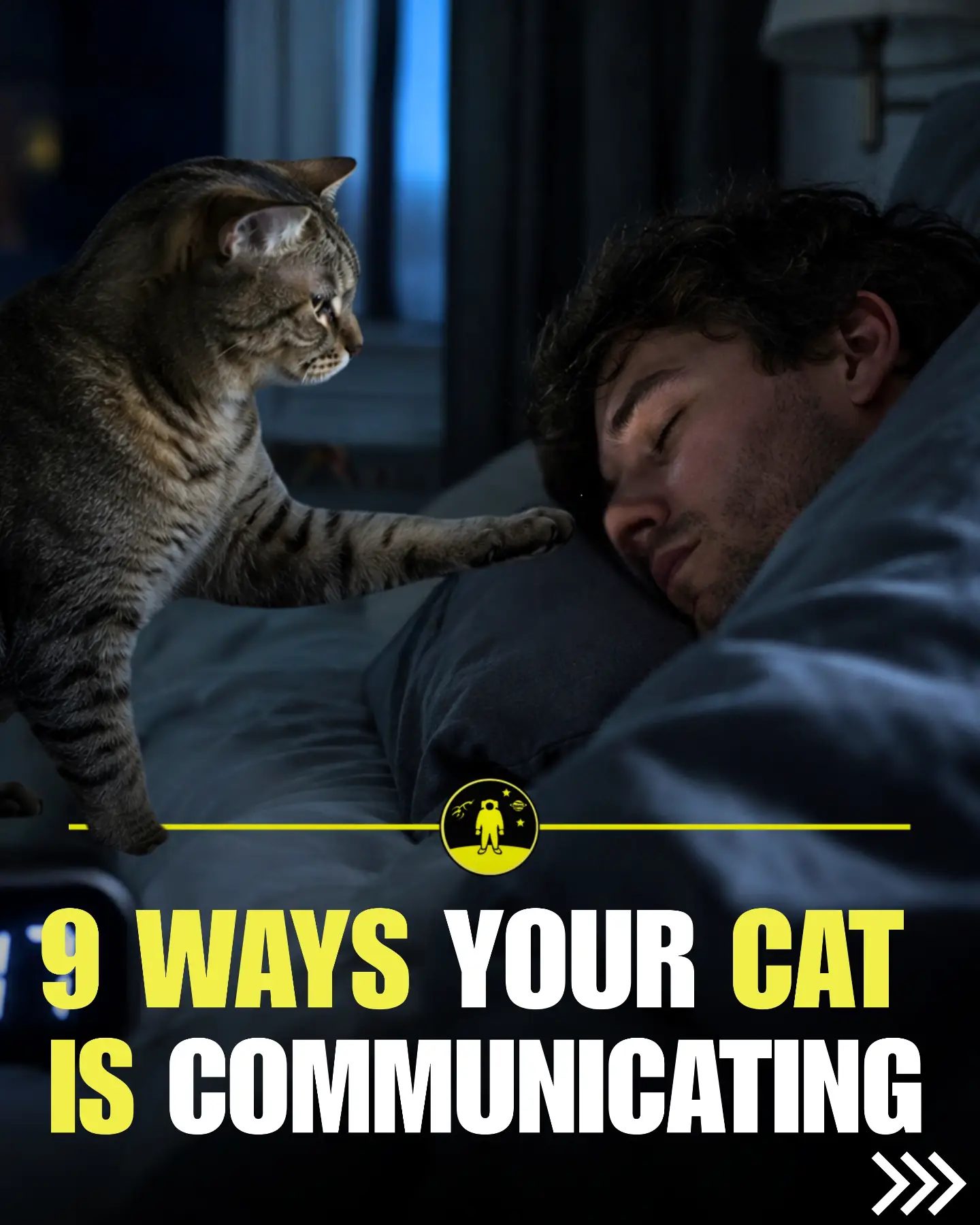
Cat Communication
Understanding your cat's body language, posture, and behavior can greatly enhance your relationship. Cats communicate through various signals, from ear movements to tail positions, and recognizing these can help you respond to their needs appropriately.
Why This Matters
Cats rely on non-verbal cues to express their feelings and intentions. By learning to read these signals, you can better understand when your cat is relaxed, playful, or needs some space. This deeper understanding fosters a stronger bond and a more harmonious living environment for both you and your feline companion.
Main Discussion
Understanding Basic Signals
Cats have a rich repertoire of communication methods. A relaxed body, soft eyes, slow blinking, and a gently raised tail often indicate comfort and trust. When your cat exhibits these signs, it usually means they feel safe and content in their environment. On the other hand, playful movements and ears pointed forward suggest curiosity and a readiness to interact. These signals are your cat's way of inviting you to engage in play or social interaction.
Identifying Stress and Fear
Cats may display defensive behaviors when they feel frightened, stressed, or threatened. Flattened ears, an arched back, a tense posture, or defensive behavior are all indicators that something is amiss. If you notice these signs, it’s important to create a safe and calm environment to help your cat feel secure. Remember, these behaviors should be interpreted within the context of the situation. A single behavior does not always reveal exactly how a cat is feeling. Their surroundings, recent experiences, and normal personality all play an important role.
Recognizing Affection and Bonding
Cats also communicate affection and the desire for bonding. Gentle head butts, purring, and kneading are all signs that your cat is feeling affectionate and wants to strengthen your bond. These behaviors are usually accompanied by a relaxed body language and soft eyes, making them easy to recognize.
Grooming and Stress Regulation
Cats groom themselves as a way to relax and regulate stress. Regular grooming is a sign of good health and well-being. However, excessive grooming can indicate stress or anxiety. If you notice your cat grooming more than usual, it might be a sign that they need a bit more attention or a change in their environment to feel more at ease.
Social Cues
Cats communicate a need for space or solitude through body language as well. If your cat turns away, hides, or avoids eye contact, they are likely asking for some alone time. Respecting these cues is crucial for maintaining a healthy relationship with your cat. It shows that you understand and respect their boundaries.
Interpreting Context
It's important to consider the context when interpreting your cat's body language. A single behavior might not always reveal exactly how a cat is feeling. Their surroundings, recent experiences, and normal personality all play an important role. For example, a cat that is usually outgoing might be more aggressive or withdrawn if it feels unwell or if there have been recent changes in the household.
The Role of Ear Movements
Ear movements are particularly telling in cat communication. Ears pointed forward indicate alertness and curiosity, while ears flattened back can signal fear or aggression. Paying attention to these subtle cues can help you understand your cat's emotional state and respond appropriately.
Practical Tips
Observing Body Language
To better understand your cat, spend time observing their body language. Notice how their ears, tail, and posture change in different situations. This will help you become more attuned to their emotional states and needs.
Creating a Safe Environment
Ensure your cat has a safe and comfortable environment. Provide hiding spots, scratching posts, and plenty of playtime to help them feel secure and content.
Respecting Boundaries
Respect your cat's boundaries. If they need space, give it to them. This will help build trust and strengthen your bond. If your cat seeks affection, reciprocate with gentle petting or playtime.
Regular Vet Check-ups
Regular veterinary check-ups can help identify any underlying health issues that might be affecting your cat's behavior. Addressing these issues promptly can improve your cat's overall well-being and communication.
Learning from Experts
Follow credible sources like @topscientistfacts for more insights into cat behavior and communication. These experts provide valuable information that can help you better understand and care for your feline companion.
Important Takeaways
Understanding cat communication involves recognizing various signals and interpreting them within the context of the situation. This requires patience, observation, and a willingness to learn. By paying attention to your cat's body language, you can respond to their needs more effectively, reducing stress and enhancing your bond.
Conclusion
By learning to read your cat's body language, posture, and behavior, you can foster a deeper and more meaningful relationship. Cats communicate through subtle cues, and recognizing these signals can help you provide the care and attention they need. Whether your cat is relaxed, playful, or needs some space, understanding their communication helps create a happier home for both of you.
Watch the Reel
Recent articles
Fresh deep dives from the latest Reels we unpacked.




Comments
Be the first to comment.