Brain Aneurysm Coiling: A Minimally Invasive Procedure
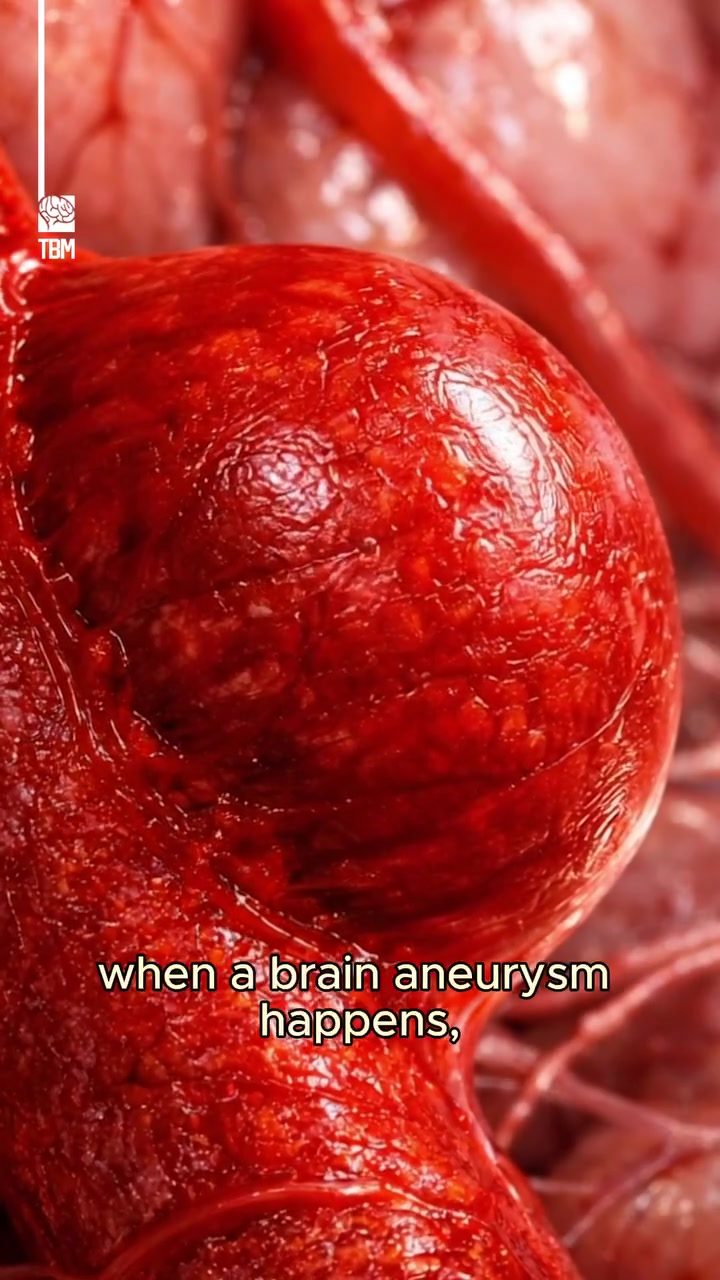
Brain aneurysms are a serious medical condition where a weakened section of an artery in the brain begins to bulge. If left untreated, this bulge can eventually rupture, leading to life-threatening complications. Fortunately, advancements in medical technology have led to the development of minimally invasive procedures like coiling, which can effectively treat brain aneurysms without the need for open brain surgery.
Why This Matters
Understanding the coiling procedure is crucial for patients and their families. It provides a safer and often more effective alternative to traditional surgical methods, offering a quicker recovery time and reduced risk of complications. This procedure is particularly important for those who may not be suitable candidates for open brain surgery due to age, overall health, or the location of the aneurysm.
Coiling: The Procedure
The Initial Steps
The coiling procedure starts with a tiny incision made in the groin or wrist. Through this small entry point, a thin, flexible catheter is inserted. This catheter is then carefully guided through the arteries towards the aneurysm. The entire process is monitored using continuous x-ray imaging, which allows surgeons to navigate the catheter with precision.
Placing the Coils
Once the catheter reaches the site of the aneurysm, soft platinum coils are carefully placed inside the bulging sac. These coils are designed to induce the formation of a clot around them. As the clot develops, it seals off the aneurysm from the main artery, preventing more blood from entering and reducing pressure on the weakened arterial wall. This sealing process is critical in preventing the aneurysm from rupturing.
Additional Support
In some cases, a balloon or stent may be used to hold the coils securely in place. This additional support ensures that the coils remain effective in sealing the aneurysm, providing a more stable and secure closure. Once the aneurysm is adequately sealed, the catheter is removed, and the small entry point is closed. This minimally invasive approach allows for a faster recovery compared to traditional open brain surgery.
Practical Tips for Patients
-
Preparation: Before the procedure, patients should discuss their medical history and any medications they are taking with their healthcare provider. This ensures that the procedure is safe and effective.
-
Post-Operative Care: Following the procedure, patients should rest and avoid strenuous activities. They should also attend all follow-up appointments to monitor their recovery and the effectiveness of the treatment.
-
Lifestyle Changes: Patients may need to make lifestyle changes, such as quitting smoking, managing high blood pressure, and adopting a healthy diet, to reduce the risk of future aneurysms.
-
Support Systems: It is essential for patients to have a strong support system, including family and friends, to help them through the recovery process. Emotional support can be as important as physical care.
Important Takeaways
- Minimally Invasive: The coiling procedure is a minimally invasive option that avoids the risks and complications associated with open brain surgery.
- Effective Treatment: The use of platinum coils and, in some cases, balloons or stents, provides an effective method for sealing off aneurysms and preventing rupture.
- Quick Recovery: The procedure allows for a faster recovery time, enabling patients to resume their normal activities sooner.
Conclusion
The coiling procedure for brain aneurysms offers a safe and effective treatment option that minimizes invasiveness and maximizes patient outcomes. By understanding the process, patients and their families can make informed decisions about their healthcare and ensure the best possible outcomes. Regular follow-ups and adherence to medical advice are essential for long-term success and recovery.
Watch the Reel
Questions readers ask
What exactly is brain aneurysm coiling and how does it work?
Brain aneurysm coiling is a minimally invasive procedure designed to treat brain aneurysms. During the process, a catheter is inserted into an artery, typically in the groin, and guided to the aneurysm site in the brain. Once there, tiny platinum coils are released into the aneurysm, promoting clotting and isolating the aneurysm from the bloodstream, which reduces the risk of rupture.
How does endovascular coiling compare to traditional brain surgery?
Endovascular coiling is a less invasive alternative to traditional brain surgery. It does not require opening the skull, resulting in a quicker recovery time, reduced hospital stay, and lower risk of complications such as infection or brain tissue damage. This makes coiling an attractive option for many patients.
What are the advantages of choosing coiling for brain aneurysms?
Coiling offers numerous benefits, including a shorter recovery period, reduced risk of complications, and the ability to treat patients who may not be suitable for traditional surgery due to age or health conditions. Additionally, it allows for the treatment of aneurysms located in hard-to-reach areas of the brain.
What kinds of patients are most suitable for brain aneurysm coiling?
Patients who are most suitable for brain aneurysm coiling are those with aneurysms that are not actively ruptured but at high risk of rupture, or those who have experienced a subarachnoid hemorrhage and require immediate treatment. It is also beneficial for patients who have a high surgical risk due to other health conditions.
What are the potential complications associated with brain aneurysm coiling?
While coiling is generally safe, potential complications can include allergic reactions to the materials used, minor stroke or bleeding due to catheter manipulation, and recurrence of the aneurysm. However, these risks are relatively low compared to traditional surgical methods.
How long does the recovery process typically take after brain aneurysm coiling?
Recovery time varies, but most patients can expect to stay in the hospital for a few days after the procedure. Full recovery, including return to normal activities, can take several weeks. Regular follow-up appointments and imaging tests are usually required to monitor the aneurysm's condition over time.
Can brain aneurysm coiling be used for all types of aneurysms?
While coiling is effective for many types of aneurysms, it may not be suitable for all. It is typically most effective for berry or saccular aneurysms, which have a distinct neck and dome. Aneurysms with wide necks or irregular shapes may require different treatment approaches. A specialist will determine the best course of action based on the aneurysm's size, shape, and location.
Recent articles
Fresh deep dives from the latest Reels we unpacked.




Comments
Be the first to comment.