Understanding Blood Glucose Levels: A Comprehensive Guide
Blood glucose levels are crucial indicators of metabolic health. Monitoring these levels is essential for managing overall well-being and identifying potential health issues. Blood glucose meters are the tools most commonly used for this purpose. Let's dive into the different ranges of blood glucose levels and what they mean.
Why This Matters
Blood glucose levels fluctuate based on various factors, including diet, physical activity, medication, and overall health. Understanding these fluctuations and maintaining optimal levels can help prevent serious health conditions, such as diabetes and heart disease. Regular monitoring of blood glucose levels allows individuals to make informed decisions about their lifestyle and seek timely medical intervention if necessary.
The Ranges of Blood Glucose Levels
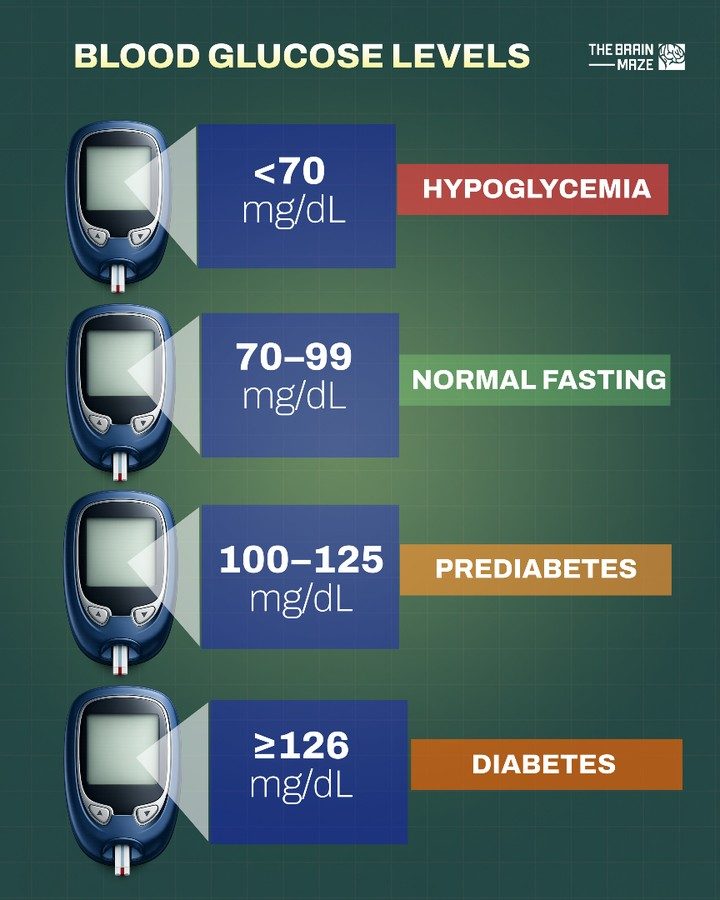
Hypoglycemia: Levels Below 70 mg/dL
Hypoglycemia occurs when blood glucose levels fall below 70 mg/dL. This condition requires immediate attention, as it can lead to symptoms such as dizziness, confusion, and even loss of consciousness. Hypoglycemia can be caused by skipping meals, excessive physical activity, or certain medications. If you experience symptoms of hypoglycemia, it's crucial to consume a quick source of sugar, such as glucose tablets or a sugary drink, and then follow up with a balanced meal.
Normal Fasting Levels: 70-99 mg/dL
Normal fasting blood glucose levels range from 70 to 99 mg/dL. This range indicates that the body is efficiently managing glucose and is in a state of metabolic health. Maintaining levels within this range is beneficial for overall health and helps in preventing chronic diseases. Regular physical activity, a balanced diet, and adequate sleep can help maintain normal fasting glucose levels.
Prediabetes: Levels Between 100 and 125 mg/dL
Readings between 100 and 125 mg/dL suggest prediabetes. This condition is a warning sign that diabetes could develop if lifestyle changes are not made. Prediabetes is often asymptomatic, making regular blood glucose monitoring crucial. Lifestyle adjustments, such as adopting a healthy diet, engaging in regular exercise, and maintaining a healthy weight, can help reverse prediabetes and prevent the progression to type 2 diabetes.
Diabetes: Levels at or Above 126 mg/dL
Blood glucose levels at or above 126 mg/dL indicate diabetes. This condition requires ongoing medical management and lifestyle adjustments. Diabetes can lead to various complications if not properly managed, including nerve damage, kidney damage, and cardiovascular disease. If you have been diagnosed with diabetes, it's essential to work closely with healthcare providers to develop a comprehensive management plan, which may include medication, diet, and exercise.
Managing Blood Glucose Levels
Regular Monitoring
Regular monitoring of blood glucose levels is essential for managing metabolic health. For individuals with diabetes, frequent testing is crucial to ensure levels remain within a healthy range. Blood glucose meters provide quick and accurate readings, making them an indispensable tool for managing diabetes. Some meters even offer additional features, such as memory storage and trend analysis, to help track patterns over time.
Diet and Nutrition
Diet plays a significant role in managing blood glucose levels. A balanced diet rich in whole grains, lean proteins, and healthy fats can help maintain stable blood glucose levels. It's essential to limit processed foods, sugars, and refined carbohydrates, as they can cause rapid spikes in glucose levels. Incorporating fiber-rich foods, such as fruits and vegetables, can help slow down the absorption of glucose, promoting better blood sugar control.
Physical Activity
Regular physical activity is another crucial factor in managing blood glucose levels. Exercise helps the body use glucose more efficiently, improving insulin sensitivity and promoting better glucose regulation. Aim for at least 150 minutes of moderate-intensity or 75 minutes of vigorous-intensity aerobic activity per week, along with muscle-strengthening activities on two or more days a week.
Medication and Medical Management
For individuals with diabetes, medication may be necessary to manage blood glucose levels effectively. Insulin and other glucose-lowering medications can help regulate glucose levels, preventing complications associated with diabetes. It's essential to work closely with healthcare providers to develop a personalized medication plan tailored to individual needs.
Practical Tips for Maintaining Healthy Blood Glucose Levels
Monitor Regularly
Regular monitoring of blood glucose levels is crucial for maintaining metabolic health. Use a reliable blood glucose meter to track your levels and consult with your healthcare provider to understand your target range.
Adopt a Healthy Diet
Incorporate a balanced diet rich in whole grains, lean proteins, and healthy fats. Limit processed foods, sugars, and refined carbohydrates to maintain stable blood glucose levels.
Engage in Regular Exercise
Aim for at least 150 minutes of moderate-intensity or 75 minutes of vigorous-intensity aerobic activity per week. Regular physical activity helps the body use glucose more efficiently, promoting better glucose regulation.
Stay Hydrated
Drinking plenty of water can help maintain healthy blood glucose levels by promoting overall bodily functions and aiding in the efficient breakdown of glucose.
Manage Stress
Chronic stress can affect blood glucose levels, so it's essential to develop stress management techniques, such as meditation, yoga, or deep breathing exercises, to promote overall well-being.
Important Takeaways
Understanding blood glucose levels is essential for maintaining metabolic health. Regular monitoring, a balanced diet, regular physical activity, and, if necessary, medication are crucial for managing glucose levels effectively. By staying informed and proactive, individuals can take control of their health and prevent potential complications associated with abnormal glucose levels.
Conclusion
Blood glucose levels provide valuable insights into overall metabolic health. By understanding the different ranges and what they signify, individuals can make informed decisions about their lifestyle and seek timely medical intervention if necessary. Regular monitoring, a balanced diet, and physical activity are essential for maintaining healthy blood glucose levels and preventing serious health conditions.
Watch the Reel
Questions readers ask
What are the normal ranges for blood glucose levels throughout the day?
Normal blood glucose levels typically range from 70 to 100 mg/dL (3.9 to 5.6 mmol/L) when fasting. After meals, non-diabetic individuals usually experience a rise to below 140 mg/dL (7.8 mmol/L). However, levels can vary based on individual health factors and should be evaluated by a healthcare provider.
What should I do if I experience symptoms of hypoglycemia?
Hypoglycemia symptoms include dizziness, sweating, hunger, and confusion. If you experience these signs, it's crucial to consume fast-acting carbohydrates, such as glucose tablets, fruit juice, or a candy. Monitor your blood sugar levels and consult a healthcare professional for guidance on managing low blood sugar.
What are the fasting blood sugar ranges for prediabetes and diabetes?
For prediabetes, fasting blood sugar levels are typically between 100-125 mg/dL (5.6 to 6.9 mmol/L). Diabetes is diagnosed when fasting blood sugar levels reach 126 mg/dL (7.0 mmol/L) or higher on multiple tests, or when A1C levels are 6.5% or higher. A healthcare provider should confirm and interpret these results.
How often should I monitor my blood glucose levels?
The frequency of monitoring blood glucose levels depends on individual health status. People with diabetes may need to check their levels multiple times a day, while those without diabetes might only need to check occasionally or as recommended by their healthcare provider. Regular monitoring can help track progress and identify any trends or issues.
Why is it important to know the meaning of blood sugar readings?
Understanding your blood sugar readings helps you recognize how your body responds to food, activity, and medication. This knowledge can inform lifestyle choices, such as diet and exercise, and prompt timely medical interventions when necessary. It also allows for better management and prevention of conditions like diabetes and heart disease.
What are the signs of low blood sugar and what should I do if I experience them?
Low blood sugar signs, or hypoglycemia, include fatigue, shakiness, rapid heartbeat, and difficulty concentrating. If you notice these symptoms, consume a quick source of sugar like a piece of candy, a glass of juice, or a glucose gel. Monitor your blood glucose levels closely and seek medical advice if symptoms persist.
How do blood glucose levels vary based on lifestyle and health factors?
Blood glucose levels can be influenced by a variety of factors, including diet, physical activity, medication, stress, and overall health. For example, consuming carbohydrates can raise glucose levels, while exercise can lower them. Regular check-ins with a healthcare provider can help determine the specific impacts of these factors on your metabolic health.
Related deep dives
Similar reads based on topic and creator.



Recent articles
Fresh deep dives from the latest Reels we unpacked.




Comments
Be the first to comment.