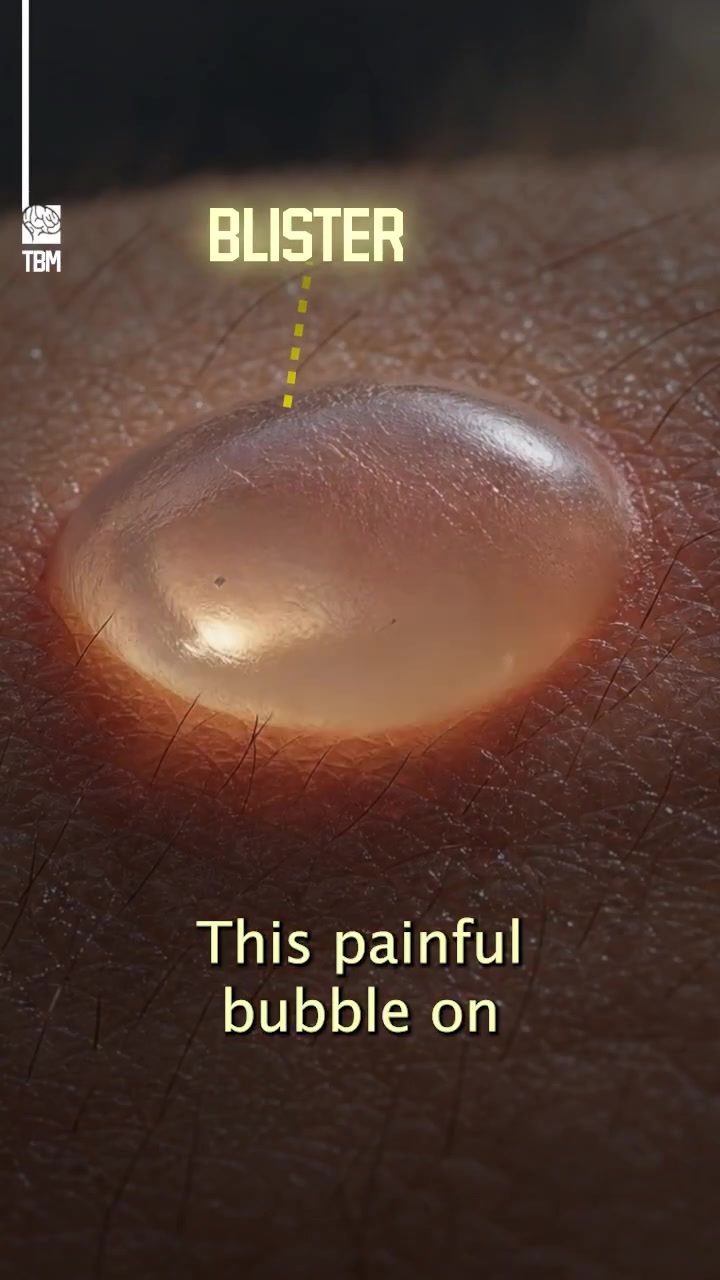
Blisters: Formation, Healing, and Why You Should Avoid Popping Them
Blisters are a common yet often misunderstood skin condition. They form as a result of friction, heat, or pressure, and serve a crucial purpose in protecting the skin from further damage. Understanding the process of blister formation and healing can help you manage them more effectively.
Why Blisters Matter
Blisters are more than just an inconvenience; they play a vital role in protecting the skin. When a blister forms, it creates a cushion that prevents further damage to the raw tissue beneath. This natural protective mechanism is essential for healing. By understanding the science behind blisters, you can better manage them and promote faster healing.
The Science Behind Blisters
Formation of Blisters
Blisters form when the outer layer of the skin, known as the epidermis, separates from the layer beneath it, the dermis. This separation is usually caused by repeated friction, burns, or other forms of irritation. As the layers of skin separate, tiny blood vessels in the dermis leak a clear fluid called serum into the gap, creating the familiar fluid-filled bubble. This fluid acts as a protective cushion, safeguarding the raw tissue below from further injury.
The Healing Process
The fluid inside a blister is crucial for the healing process. It provides a barrier that allows the skin to regenerate without additional damage. The body sacrifices a small patch of skin to prevent deeper injury, effectively creating an emergency airbag for the affected area. It's important to note that popping a blister too early can disrupt this natural healing process, leading to increased risk of infection and slower recovery. The body's response is designed to protect itself, and interrupting it can be counterproductive.
Important Tips for Managing Blisters
Leave Them Alone
One of the most important pieces of advice is to leave blisters alone. Popping a blister prematurely can introduce bacteria and increase the risk of infection. The fluid inside the blister is sterilized and acts as a natural barrier, protecting the raw tissue below. Allowing the blister to heal on its own gives your skin the best chance to recover without complications.
Keep Them Clean and Dry
If a blister does pop on its own, it's essential to keep the area clean and dry. Gently wash the area with mild soap and lukewarm water, then pat it dry carefully. Avoid using alcohol or hydrogen peroxide, as these can irritate the skin and delay healing. Apply a sterile bandage to protect the area from further damage and reduce the risk of infection.
Use Proper Footwear
For those prone to blisters, especially on the feet, choosing the right footwear is crucial. Opt for shoes that fit well and provide adequate cushioning to reduce friction. Socks made from moisture-wicking materials can also help keep your feet dry, reducing the likelihood of blister formation. Regularly inspect your shoes for any rough spots or seams that could cause friction.
Practical Tips for Prevention
Lubricate Vulnerable Areas
Applying a lubricant to areas prone to blisters can help reduce friction. Petrolatum-based products, like Vaseline, or silicone-based lubricants can create a barrier that minimizes the risk of blister formation. These products are particularly useful for athletes and individuals who engage in physical activities that involve repetitive movements.
Use Protective Patches
Protective patches, such as athletic tape or moleskin, can be applied to areas prone to blisters. These patches provide an additional layer of protection, reducing friction and preventing the skin from separating. Applying these patches before engaging in activities that cause blisters can be an effective preventive measure.
Regularly Inspect Your Feet
For those who are on their feet a lot, regular inspections of the feet can help in identifying potential problem areas. Checking for any signs of redness, hot spots, or irritation can allow you to take preventive measures before a blister forms. Early intervention can save a lot of discomfort and prevent blisters from developing.
Avoid Overheating
Excessive heat and moisture can increase the likelihood of blister formation. In hot weather or during intense physical activities, make sure to keep your feet dry and cool. Wearing breathable shoes and socks can help regulate temperature and reduce sweating, lowering the risk of blisters.
Important Takeaways
Blisters serve a protective function, acting as a natural barrier to prevent further damage to the skin. Understanding the formation and healing process is essential for managing blisters effectively. Leaving blisters alone, keeping them clean and dry, and using protective measures can all aid in quicker and safer healing. By taking proactive steps, you can reduce the likelihood of blister formation and promote overall skin health.
Conclusion
Blisters are a common occurrence, but they are not just an inconvenience— they are a natural protective mechanism. By allowing the body to heal the skin naturally, you can avoid complications and promote faster recovery. Whether you are an athlete, a hiker, or someone who spends a lot of time on their feet, understanding how to manage and prevent blisters can significantly enhance your comfort and well-being.
Watch the Reel
Questions readers ask
What are the primary causes of blister formation?
Blisters typically form due to friction, heat, or pressure on the skin. Common situations include tight shoes causing friction on the feet, burns from heat, or prolonged pressure on the skin. These factors can lead to the separation of skin layers, resulting in blister formation.
What is the purpose of the fluid inside a blister?
The fluid inside a blister, known as serum, serves a protective and healing function. It helps to cushion the damaged skin, prevent infection, and promote the growth of new skin cells. The body produces this fluid to aid in the healing process and protect the underlying tissue.
Why is it generally advised not to pop blisters?
Popping a blister can increase the risk of infection and delay healing. The blister's roof acts as a protective barrier, and removing it exposes the raw skin underneath to bacteria. It's better to leave the blister intact, allowing the skin to heal naturally underneath.
How can I speed up the healing process of a blister?
To speed up blister healing, keep the area clean and dry. Avoid popping the blister, and if the blister pops on its own, apply an antibiotic ointment and a sterile bandage to prevent infection. Consider using blister pads or moleskin to reduce friction and relieve pressure on the affected area.
What are some effective blister prevention tips?
To prevent blisters, wear well-fitting shoes or gloves to minimize friction. For activities involving prolonged pressure or heat, use protective gear or padding. Keep your skin dry and apply powders or creams to reduce moisture and friction. Break in new shoes gradually to allow your skin to adapt.
How long does it typically take for a blister to heal?
The healing time for a blister varies depending on its size and location, but most blisters heal within a week or two. Keeping the blister clean and protected, and avoiding activities that cause further friction or pressure, can help speed up the healing process.
What should I do if a blister becomes infected?
If a blister becomes infected, you may notice increased pain, redness, warmth, or pus. In such cases, clean the area thoroughly, apply an antibiotic ointment, and cover it with a sterile bandage. If the infection worsens or you develop a fever, seek medical attention promptly.
Related deep dives
Similar reads based on topic and creator.

Recent articles
Fresh deep dives from the latest Reels we unpacked.




Comments
Be the first to comment.