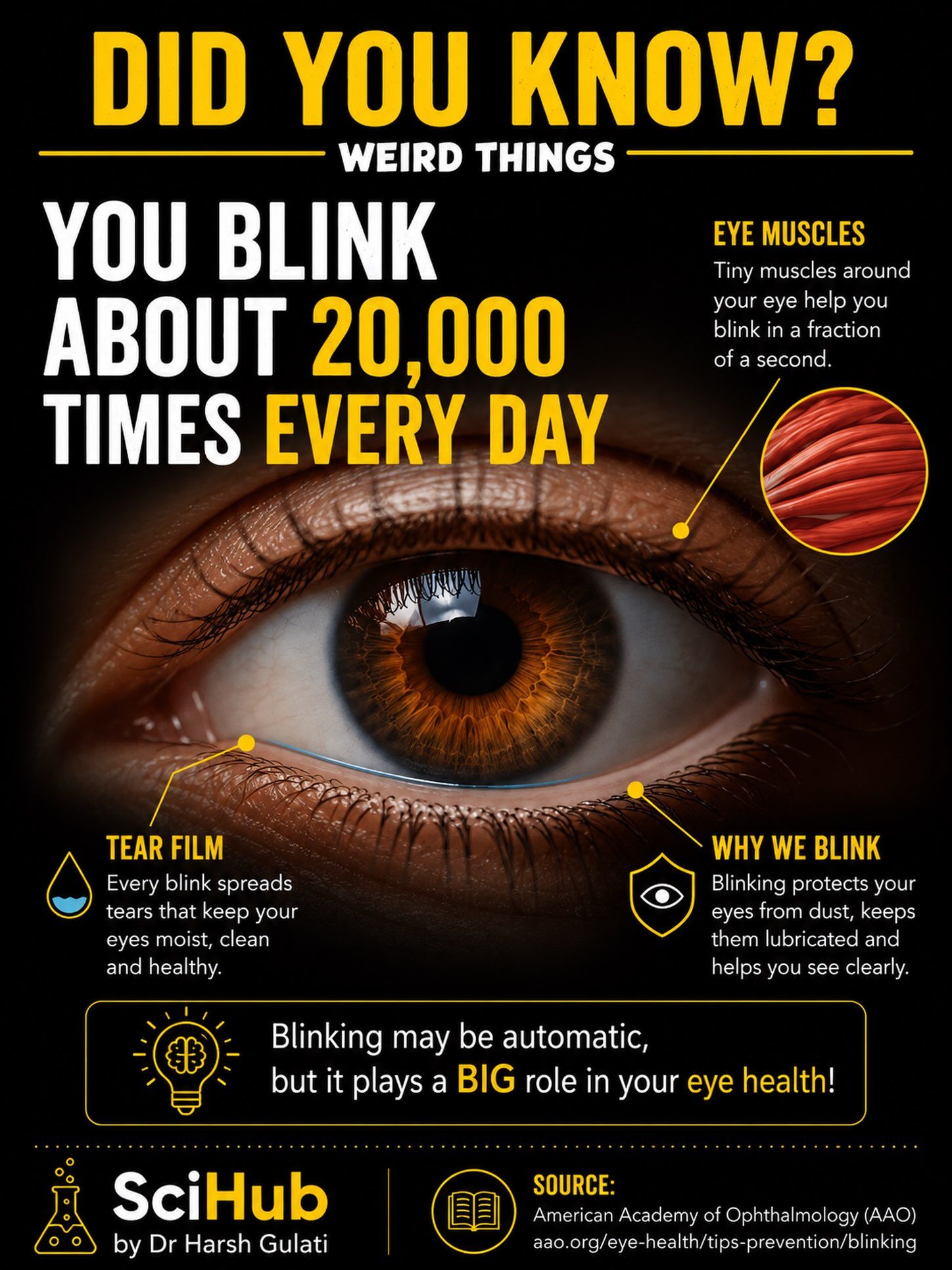
Eye Health Facts: The Science Behind Blinking
Blinking is an essential yet often overlooked aspect of eye health. Understanding the science behind blinking can help you appreciate just how crucial this automatic reflex is for maintaining clear vision and overall eye health.
Context / Why This Matters
In an age dominated by digital screens, the importance of blinking becomes even more pronounced. Whether you spend hours working on a computer or scrolling through your phone, healthy blinking is vital for preserving your eye health.
How Often Do We Blink?
The average person blinks about 20,000 times every day. This frequent action is not just a random occurrence; it serves multiple critical functions. Every blink spreads a thin tear film across the surface of the eyes, which has several beneficial effects:
- Keeping Eyes Moist: The tear film helps to keep your eyes hydrated, preventing dryness and discomfort.
- Washing Away Foreign Particles: Blinking helps to clean the eyes by washing away dust, dirt, and other tiny particles that could potentially irritate or harm the eyes.
- Protecting the Surface: Blinking creates a protective barrier that shields the eye's surface from potential irritants, reducing the risk of infections and other eye issues.
- Maintaining Clear Vision: By spreading the tear film evenly, blinking ensures that your vision remains clear and unobstructed.
The Role of Eyelid Muscles and Tear Film
Blinking involves a coordinated action of tiny muscles around the eye. These muscles work in a fraction of a second to close and open the eyelids, ensuring that the blinking process is efficient and effective. The tear film, which is produced by glands in and around the eyelids, plays a crucial role in this process. It consists of three layers:
- Oil Layer: Produced by the meibomian glands, this layer prevents the tear film from evaporating too quickly.
- Aqueous Layer: The middle layer, produced by the lacrimal glands, provides moisture and nutrients to the cornea.
- Mucin Layer: Produced by the conjunctival goblet cells, this layer helps the tear film adhere to the surface of the eye.
Why Healthy Blinking Is Essential
Healthy blinking is essential for maintaining good eye health, especially for those who spend long hours using digital screens. The frequent use of computers, phones, and tablets can lead to a condition known as digital eye strain, which is characterized by symptoms such as dryness, irritation, and blurred vision. By ensuring that you blink regularly, you can help prevent these symptoms and maintain clear vision.
Practical Tips
While blinking is an automatic process, there are ways to ensure that you are blinking enough, especially when using digital devices:
- Follow the 20-20-20 Rule: Every 20 minutes, look at something 20 feet away for at least 20 seconds. This helps to relax the eye muscles and reduce strain.
- Blink Consciously: If you find yourself staring at a screen for extended periods, make a conscious effort to blink more frequently.
- Use Artificial Tears: If you experience dryness, consider using artificial tears to supplement your natural tear production.
- Maintain Proper Screen Distance and Angle: Position your screen at arm's length and slightly below eye level to reduce strain on your eyes.
Important Takeaways
Understanding the science behind blinking can help you appreciate just how crucial this automatic reflex is for maintaining clear vision and overall eye health. By ensuring that you blink regularly, you can help prevent digital eye strain and maintain the health of your eyes.
Key takeaways include:
- Blinking occurs about 20,000 times a day and is essential for eye health.
- Blinking helps to keep the eyes moist, clean, and protected.
- Healthy blinking is particularly important for those who spend long hours using digital devices.
- Consciously blink more often and follow the 20-20-20 rule to reduce digital eye strain.
Conclusion
Blinking is a fundamental aspect of eye health that plays a crucial role in maintaining clear vision and protecting the eyes from harm. By understanding the science behind blinking and taking proactive steps to ensure healthy blinking, you can help preserve your eye health, especially in a world dominated by digital screens.
Watch the Reel
Questions readers ask
Why is blinking important for maintaining healthy eyes?
Blinking is vital for eye health as it helps to keep the eyes moist, clear away dirt, and shield them from irritants. It also spreads a thin film of tears over the eyes, which contains essential nutrients and helps maintain clear vision. Regular blinking is crucial for preventing dryness and discomfort, especially in a screen-dominated environment.
How often should a person blink per day?
On average, a person blinks about 20,000 times a day. This frequency is essential for maintaining eye health, as each blink lubricates the eyes and removes irritants. However, people who spend a lot of time looking at screens often blink less, which can lead to eye strain and discomfort.
How does blinking help protect the eyes?
Blinking aids in eye protection by clearing away debris and irritants from the eye’s surface. Every time you blink, your eyelids spread a protective tear film over the eye, which helps to keep the surface clean, moist, and safe from potential harm.
Why do I experience dry eyes when using digital screens?
Digital screens can lead to dry eyes because they often cause people to blink less frequently. This reduction in blinking can result in insufficient tear distribution and increased evaporation of the tear film. Maintaining a healthy blink rate while using screens can help alleviate this issue.
What are some tips to improve blinking habits?
To improve blinking habits, especially during prolonged screen time, try to remind yourself to blink regularly. The 20-20-20 rule is helpful: every 20 minutes, look at something 20 feet away for 20 seconds. This can help reduce eye strain and encourage more frequent blinking.
What role does the tear film play in eye health?
The tear film is a thin, protective layer that blankets the eye’s surface with each blink. It provides essential moisture, nutrients, and protection from irritants. A healthy tear film is crucial for maintaining clear vision and preventing dryness and discomfort.
How does blinking benefit the eye muscles?
Blinking helps to exercise and strengthen the muscles around the eyes. These muscles are responsible for the blinking action and also help maintain proper eye alignment and control. Regular blinking can contribute to overall eye health and comfort.
Recent articles
Fresh deep dives from the latest Reels we unpacked.




Comments
Be the first to comment.