Nutrition Basics: Understanding Proteins, Carbs, Fats, and Calories
Simplifying nutrition allows for healthier eating. To optimize nutrition, focus on the four core components: proteins, carbohydrates (carbs), fats, and calories. These nutrients play crucial roles in muscle development, energy levels, and overall health. Let’s explore the basics of each component and how to incorporate them into a balanced diet.
Why The Basics Matter
Nutrition doesn’t need to be complicated. By understanding how each nutrient works, you can make informed food choices that support your goals, whether that’s building muscle, losing weight, or improving overall health. This approach eliminates the need for expensive supplements, detox teas, and trendy diets.
Macro-Nutrients Overview
Macronutrients, or macros, include proteins, carbs, and fats. Each plays a unique role in the body:
-
Proteins are essential for muscle growth and recovery.
-
Carbohydrates serve as the primary energy source.
-
Fats support hormone function and overall health.
The Role of Protein
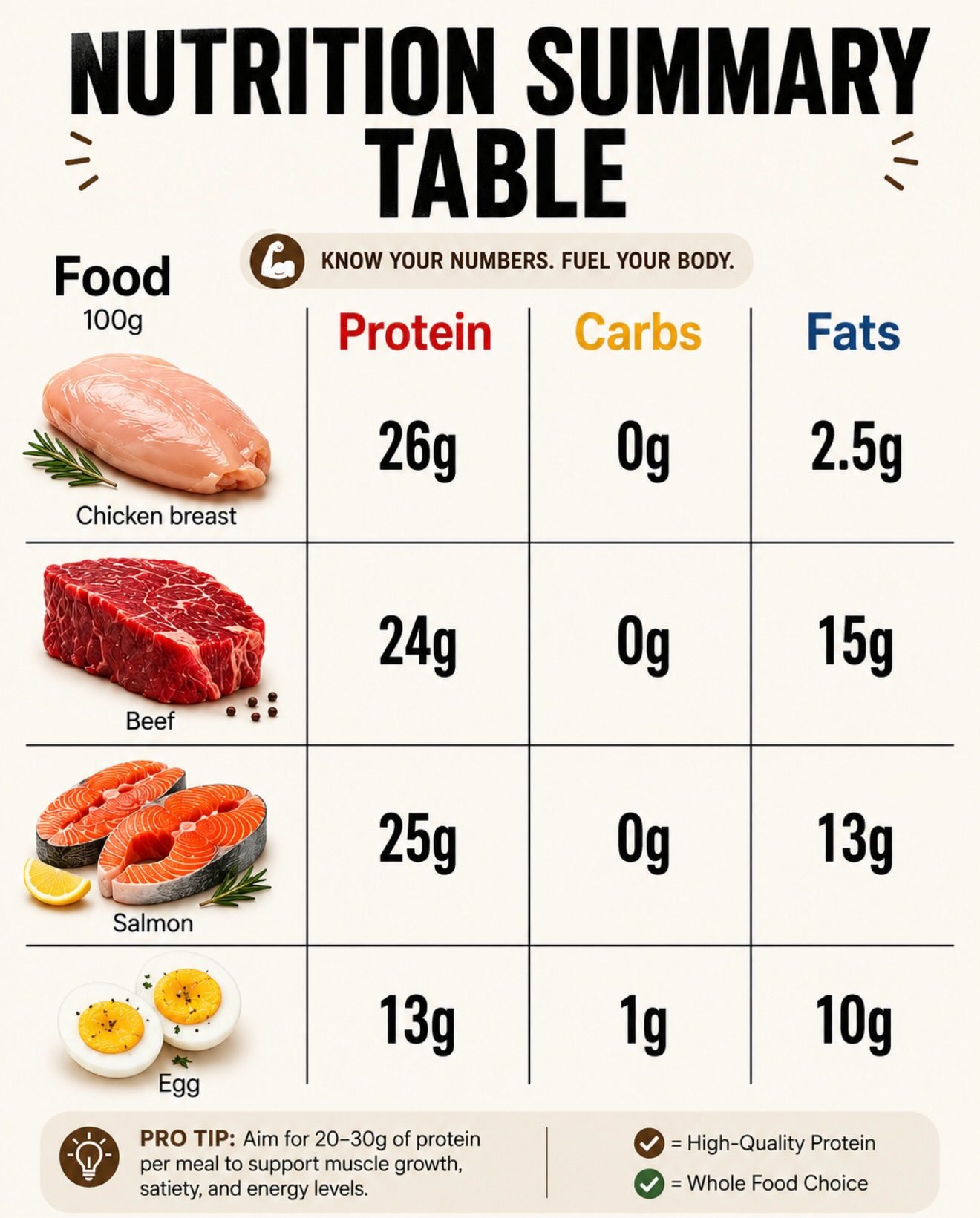
Protein is critical for muscle growth, repair, and overall bodily function. High-quality protein sources include chicken breast, eggs, and salmon. These foods are rich in essential amino acids that support muscle recovery and energy levels.
-
Chicken breast offers 26 grams of protein per serving, along with minimal carbs and a modest amount of fat (2.5 grams).
-
Eggs are another excellent protein source, providing 24 grams of protein per serving, along with 15 grams of fat and virtually no carbs. Note that one egg often contains lower amounts of protein and carbs, but more fats.
-
Salmon is a powerhouse of protein (25 grams per serving) and healthy fats, including omega-3s.
Carbohydrates: Your Energy Source
Carbohydrates are the body’s primary fuel source, especially for high-intensity activities. They come in various forms, from simple sugars to complex starches.
-
Nutritious grains provide 21 grams of carbs per serving, along with some protein and fat.
-
Whole grains are a better choice, providing sustained energy and essential nutrients.
Healthy Fats for Hormone Support
Fats play a crucial role in hormone regulation and nutrient absorption. Healthy fats can be found in a variety of whole foods.
-
Nutritious grains can be a surprisingly good source of fat, with 54 grams per serving.
-
Salmon (13 grams of fat per serving) and beef (15 grams) are high in healthy fats.
Calories: The Energy Equation
Calories measure the energy content of food. Understanding calorie intake is essential for weight management.
-
Avocado and salmon are higher in calories but also packed with nutrients.
-
Strawberries are low-calorie and high in fiber, making them excellent for volume eating.
Balancing Your Macros
Balancing macronutrients is key to achieving your health and fitness goals. Aim for a mix of proteins, carbs, and fats in each meal. Here are some general guidelines:
-
Protein: Aim for 20-30 grams per meal to support muscle growth, satiety, and energy levels.
-
Carbs: Choose nutrient-dense sources, such as whole grains and vegetables, to fuel your body efficiently.
-
Fats: Incorporate healthy fats from sources like avocados, nuts, and fish to support hormone function and overall health.
Practical Tips for Balancing Your Diet
Incorporate Whole Foods
Focus on whole foods like fruits, vegetables, lean proteins, and whole grains. These foods provide essential nutrients and fiber, promoting better digestion and overall health.
Monitor Portion Sizes
Portion control is crucial for maintaining a balanced diet. Pay attention to serving sizes to avoid overeating, even with healthy foods.
Stay Hydrated
Drink plenty of water throughout the day. Hydration supports digestion, nutrient absorption, and overall bodily functions.
Move Daily
Consistent physical activity complements a balanced diet. Incorporate both structured exercise and daily movement to support overall health and well-being.
Avoid Fad Diets and Supplements
Rely on whole foods and a balanced diet rather than on trendy diets or magic supplements. These often lack the necessary nutrients and can be detrimental to long-term health.
Important Takeaways
Protein Intake
- Aim for 20-30 grams of protein per meal to support muscle growth and energy levels.
- High-quality protein sources include chicken breast, eggs, and salmon.
Carbohydrate Intake
- Choose nutrient-dense carbohydrates like whole grains and vegetables.
- These provide sustained energy and essential nutrients.
Fat Intake
- Incorporate healthy fats from sources like avocados, nuts, and fish.
- These support hormone function and overall health.
Calorie Awareness
- Calories still matter for weight management.
- Focus on nutrient-dense foods, even if they are higher in calories.
Conclusion
Understanding and balancing your macros (proteins, carbs, and fats) and being mindful of calorie intake can simplify your approach to healthy eating. By focusing on whole foods and sustainable habits, you can achieve your health and fitness goals without the need for complicated diets or expensive supplements. The goal is not to fear food but to make informed, balanced choices that support your overall well-being.
Watch the Reel
Questions readers ask
What are the best protein sources for muscle growth?
For muscle growth, opt for lean protein sources like chicken breast, turkey, fish, eggs, and plant-based options such as tofu and lentils. These foods provide a high amount of protein per serving, aiding in muscle repair and development. Chicken breast, for instance, offers approximately 31 grams of protein per 100 grams, making it an excellent choice for those looking to build muscle.
How do carbohydrates fuel the body?
Carbohydrates are the body's primary energy source, particularly for the brain and muscles. Foods rich in complex carbohydrates, like whole grains, vegetables, and legumes, provide sustained energy. Simple carbohydrates, found in fruits and some dairy products, offer a quick energy boost but should be consumed in moderation to avoid blood sugar spikes.
Why are healthy fats important in a balanced diet?
Healthy fats are essential for various bodily functions, including hormone production, nutrient absorption, and maintaining healthy skin and hair. Foods rich in monounsaturated and polyunsaturated fats, such as avocados, nuts, seeds, and fatty fish like salmon, should be included in your diet. Salmon, for example, contains omega-3 fatty acids, which support heart health and reduce inflammation.
How do protein and carbohydrates work together in a diet?
Protein and carbohydrates play complementary roles in a healthy diet. While protein is crucial for muscle repair and growth, carbohydrates provide the energy needed for physical activities and daily functioning. Consuming a balanced mix of both can optimize your diet, whether your goal is muscle gain, weight loss, or overall health improvement. For instance, pairing a serving of chicken breast with a side of brown rice can provide both protein and energy.
What are some nutritious foods that are high in both protein and healthy fats?
Foods like salmon, mackerel, and sardines are excellent sources of both protein and healthy fats. These fatty fish contain omega-3 fatty acids, which are beneficial for heart health and reducing inflammation. Additionally, nuts and seeds, such as almonds and chia seeds, provide a good balance of protein and healthy fats, making them a great snack option.
How many calories do I need to maintain a healthy weight?
The number of calories needed to maintain a healthy weight varies based on factors such as age, sex, weight, height, and physical activity level. Generally, an average person needs between 1,600 to 3,000 calories per day to maintain their weight. To determine your specific needs, you can use online calculators or consult a healthcare professional. To optimize your calorie intake, focus on nutritious foods that provide a balance of proteins, carbs, and fats.
Recent articles
Fresh deep dives from the latest Reels we unpacked.




Comments
Be the first to comment.