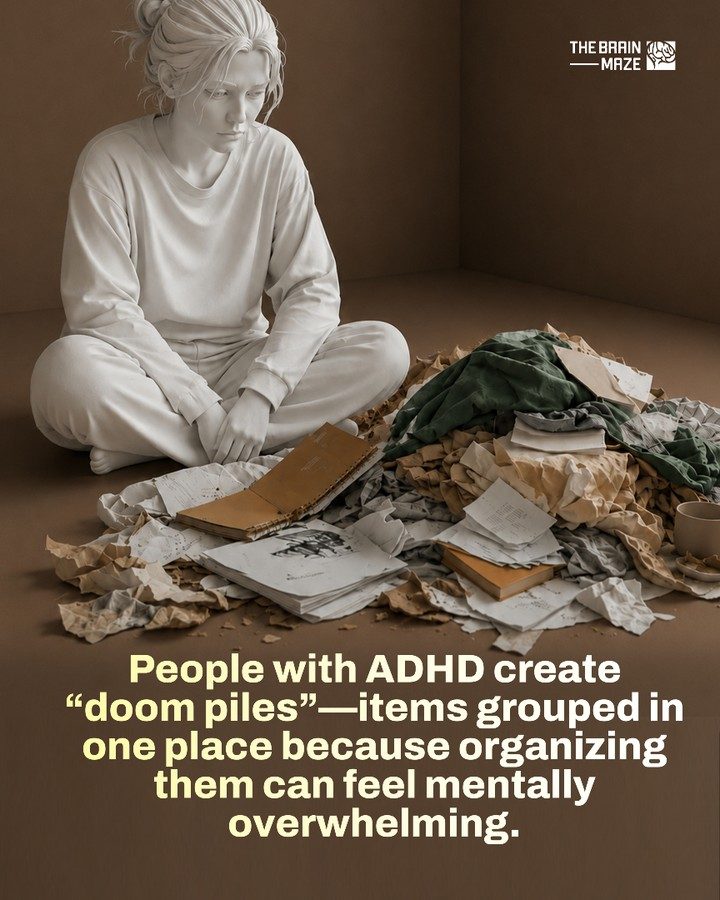
ADHD and Doom Piles: Understanding the Connection
ADHD, or Attention Deficit Hyperactivity Disorder, is a neurodevelopmental condition that affects millions of people. It is characterized by persistent patterns of inattention and/or hyperactivity and impulsivity, which can interfere with daily functioning. One of the lesser-known aspects of ADHD is the concept of "doom piles"—accumulations of papers, clothes, gadgets, or everyday items that gather in a single location.
Context: Why This Matters
Understanding doom piles is crucial because they are often misinterpreted as signs of laziness or disorganization. In reality, they are a coping mechanism for individuals with ADHD. The mental exhaustion and overwhelming nature of sorting, categorizing, and organizing items can make doom piles feel like a necessary evil. By keeping items together in one place, individuals with ADHD can reduce decision-making and make it easier to find belongings later.
What Are Doom Piles?
Doom piles are not just random collections of clutter; they serve a specific purpose for people with ADHD. These piles can include everything from important documents to everyday items. The key is that they are grouped in one location rather than scattered throughout a space. This clustering helps in reducing the mental load associated with organizing and finding items.
The Role of Executive Function
Executive function is a set of cognitive processes that help us plan, focus attention, remember instructions, and juggle multiple tasks successfully. Individuals with ADHD often struggle with executive function, which can make tasks like organizing overwhelming. Doom piles offer a way to bypass these challenges. By having a designated area for items, the person with ADHD can avoid the stress of sorting and categorizing everything at once.
Why Doom Piles Form
Doom piles form for several reasons:
-
Mental Exhaustion: The process of sorting and organizing can be mentally draining. For individuals with ADHD, the sustained focus required to organize items can be overwhelming. Doom piles provide a way to postpone this mental effort.
-
Decision Fatigue: Constant decision-making can be exhausting. By keeping items in one place, individuals with ADHD can reduce the number of decisions they need to make, such as where to put each item.
-
Easier Retrieval: Despite the appearance of chaos, doom piles can make it easier to find items. When everything is in one place, the search area is limited, reducing the time and mental energy spent on locating items.
Practical Tips for Managing Doom Piles
While doom piles can be a helpful coping strategy, there are ways to manage them more effectively:
-
Designated Areas: Create specific areas for different types of items. For example, have a designated spot for papers, another for clothes, and so on. This can help maintain some level of organization without feeling overwhelmed.
-
Regular Decluttering: Set aside regular time slots for decluttering. Doing this in small, manageable chunks can make the process less daunting. For example, you might spend 15 minutes a day sorting through a small portion of the pile.
-
Use Visual Cues: Use labels, bins, and other visual cues to help categorize items. This can make it easier to find things and reduce the mental effort required to sort through the pile.
-
Break Down Tasks: Break down the organizing process into smaller, more manageable tasks. Instead of trying to organize everything at once, focus on one small task at a time. This can make the process feel less overwhelming.
Important Takeaways
Understanding doom piles can provide valuable insights into the challenges faced by individuals with ADHD. These piles are not a sign of laziness or disorganization but a coping mechanism for managing executive function difficulties. By recognizing the role of doom piles, we can develop more empathetic and effective strategies for supporting individuals with ADHD.
-
Doom piles are a coping mechanism: They help individuals with ADHD manage the mental exhaustion and decision fatigue associated with organizing.
-
Executive function challenges: People with ADHD often struggle with tasks that require sustained focus and planning, making doom piles a practical solution.
-
Practical management: Strategies like designated areas, regular decluttering, and breaking down tasks can help manage doom piles more effectively.
Conclusion
Doom piles are a real and legitimate way for individuals with ADHD to cope with the challenges of executive function. By understanding their purpose and implementing practical strategies, we can support those with ADHD in managing their spaces more effectively. Recognizing the underlying reasons for doom piles can foster a more empathetic and inclusive environment.
Watch the Reel
Questions readers ask
What exactly are doom piles and why do they form?
Doom piles are collections of items that individuals with ADHD accumulate to manage overwhelming tasks. They form as a coping mechanism to avoid the mental exhaustion and decision-making challenges that come with sorting and organizing items. This behavior helps individuals with ADHD manage everyday tasks by breaking them down into smaller, less daunting units.
How does ADHD contribute to the formation of doom piles?
ADHD affects executive functions, which include planning, organizing, and decision-making. The challenges in these areas make it difficult for individuals with ADHD to tackle large tasks or keep spaces tidy. Overwhelmed by the sheer number of decisions and actions required to sort and organize, they may instead create doom piles as a way to contain and delay the task.
Are doom piles a sign of laziness or poor organization?
No, doom piles are not a sign of laziness or poor organization. They are a coping mechanism employed by individuals with ADHD to manage the overwhelming nature of tasks they find difficult to address. Understanding this can help reduce stigma and foster empathy towards those who struggle with ADHD.
How can doom piles impact daily life for someone with ADHD?
Doom piles can both help and hinder daily life for someone with ADHD. They provide a temporary sense of relief from overwhelming tasks, but can also contribute to increased clutter and stress over time. This can lead to feelings of guilt, frustration, and further avoidance of tasks, creating a cycle that can be challenging to break.
What strategies can help manage doom piles effectively?
Managing doom piles involves breaking down the task into smaller, more manageable steps. Setting a timer for short bursts of organization, using containers or bins to sort items, and enlisting the help of a friend or professional organizer can all be useful strategies. Establishing a routine and seeking support from therapists or coaches can also aid in overcoming the mental exhaustion and decision-making challenges associated with ADHD.
Related deep dives
Similar reads based on topic and creator.


Recent articles
Fresh deep dives from the latest Reels we unpacked.




Comments
Be the first to comment.