Understanding the Colors of Your Gas Stove Flame
Gas stoves are a common household appliance, but many people overlook the importance of their flame color. The hue of the flame can provide crucial insights into the condition of your stove and the efficiency of its combustion process. Understanding these colors can help you maintain your stove, ensure safety, and prevent potential hazards.
Why This Matters
The color of your gas stove flame is more than just a visual cue; it's a diagnostic tool. By paying attention to the flame, you can detect issues early, ensuring that your stove operates efficiently and safely. Ignoring unusual flame colors can lead to inefficiencies, increased gas consumption, and even dangerous situations like carbon monoxide production. Proper maintenance and timely inspections can prevent these issues, making it essential to understand what your stove flame is telling you.
Main Discussion
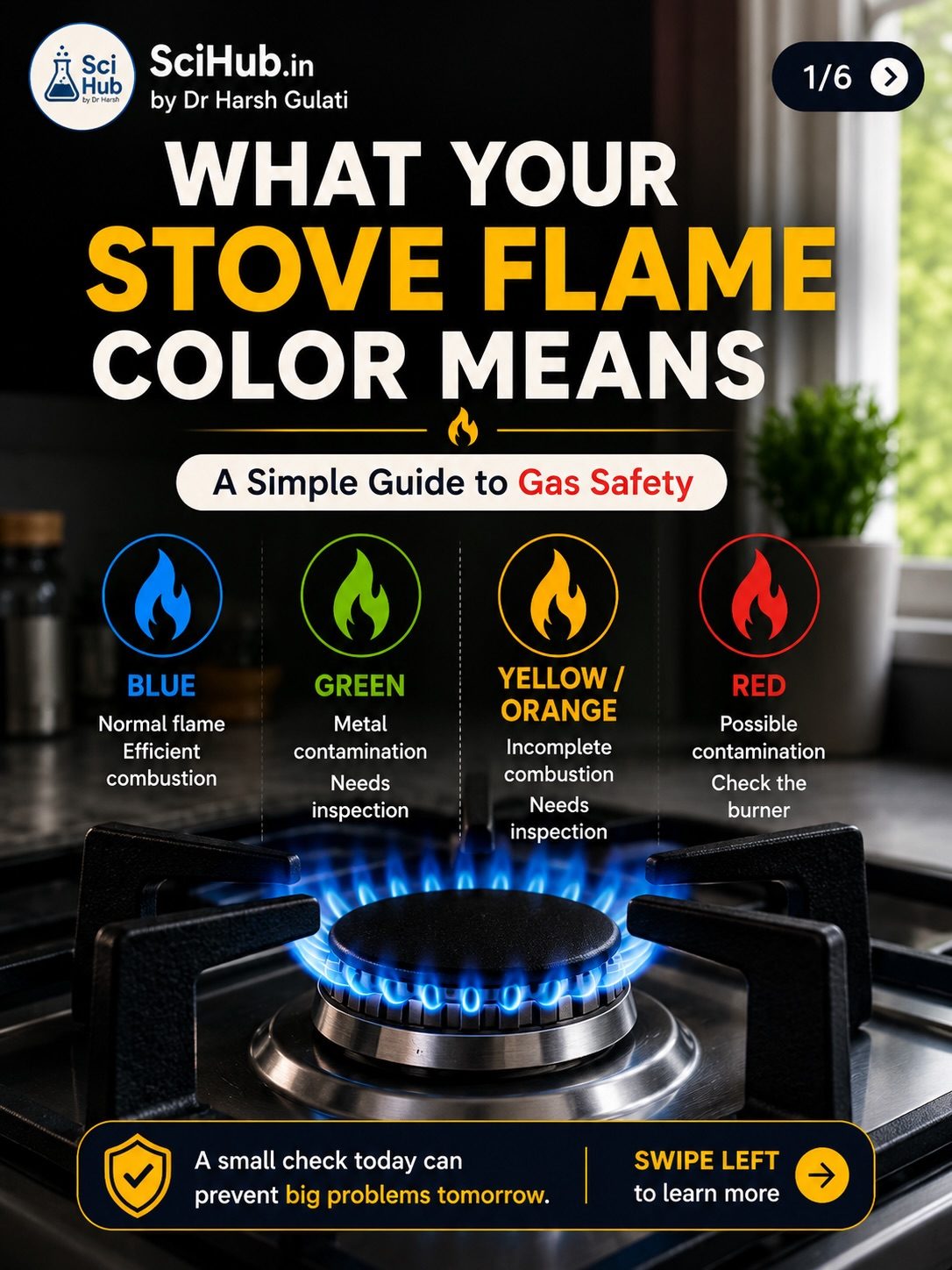
Blue Flame: The Ideal Combustion
A blue flame is the ideal color for a gas stove. It indicates efficient combustion, where the gas is burning completely. This means that your stove is operating at its best, providing optimal heat and minimizing gas waste. If your flame is consistently blue, your stove is likely in good condition, and you can continue using it with confidence.
Green Flame: Metal Contamination Alert
A green flame is a sign that there might be metal contamination in your stove. This could be due to the presence of certain metals in the burner or the gas supply. A green flame is often unstable and can flicker unpredictably. If you notice a green flame, it's crucial to have your burner inspected by a professional. Contamination can affect the stove's performance and may pose safety risks if left unaddressed.
Yellow/Orange Flame: Incomplete Combustion
A yellow or orange flame indicates incomplete combustion. This usually happens when there isn't enough oxygen reaching the flame. Incomplete combustion can produce carbon monoxide, a deadly gas that is odorless and colorless. If your flame is yellow or orange, it's essential to check the air supply around the stove. Ensure there is proper ventilation and that nothing is blocking the airflow. In some cases, cleaning the burner or adjusting the gas flow can resolve the issue. However, if the problem persists, a professional inspection is recommended. Never ignore a yellow or orange flame, as it can signal a potential health hazard.
Red Flame: Possible Combustion or Burner Issues
A red flame is less common but can indicate serious problems with the combustion process or the burner itself. This color suggests that there might be contamination or a malfunction in the burner. A red flame requires immediate attention. Inspect the burner for any visible issues, such as debris or corrosion, and clean it if necessary. If the flame remains red, seek professional servicing to diagnose and fix the underlying problem. Ignoring a red flame can lead to further damage to your stove and potential safety hazards.
Practical Tips
Regular Inspections
Regularly inspecting your gas stove can help you catch any issues early. Check the flame color during each use and look for any signs of contamination or malfunction. If you notice any unusual colors, address them promptly to ensure your stove's safety and efficiency.
Proper Ventilation
Ensure that your stove has proper ventilation. Clear any obstructions around the stove that might block airflow. Proper ventilation is crucial for complete combustion and preventing the production of harmful gases like carbon monoxide.
Professional Servicing
If you notice consistent unusual flame colors, don't hesitate to call a professional. Regular maintenance by a certified technician can keep your stove in optimal condition, ensuring safety and efficiency. A professional can also identify and fix any underlying issues that you might miss.
Cleaning the Burner
Cleaning your burner regularly can help maintain efficient combustion. Accumulated debris and residue can interfere with the gas flow and affect the flame color. Use a soft brush or a specialized cleaning solution to remove any buildup from the burner. Follow the manufacturer's guidelines for cleaning and maintenance to ensure safety.
Safety Precautions
Always prioritize safety when dealing with gas appliances. If you suspect a gas leak or notice any signs of carbon monoxide, evacuate the area immediately and contact emergency services. Never attempt to fix complex issues on your own if you're unsure about the cause or the solution.
Important Takeaways
The color of your gas stove flame is a valuable indicator of its performance and safety. Paying attention to the flame can help you detect issues early and take appropriate action. A blue flame signifies efficient combustion, while green, yellow/orange, and red flames indicate various problems that require attention. Regular inspections, proper ventilation, and professional servicing are key to maintaining a safe and efficient gas stove.
Conclusion
Understanding the colors of your gas stove flame is essential for ensuring safety and efficiency in your kitchen. By recognizing the signs of efficient combustion and potential issues, you can take proactive measures to maintain your stove in optimal condition. Regular inspections, proper ventilation, and timely professional servicing can prevent hazards and extend the lifespan of your gas stove. Always prioritize safety and address any unusual flame colors promptly to keep your stove running smoothly and safely.
Watch the Reel
Questions readers ask
What does a blue flame on my gas stove indicate?
A blue flame is the optimal color for a gas stove. It signifies that the combustion process is complete and efficient. This means your stove is operating safely and effectively, with minimal gas consumption. Any significant change in the color of the flame should be noted as it could indicate a problem with your stove.
Why is a yellow or orange flame on my gas stove cause for concern?
Yellow or orange flames suggest incomplete combustion in your gas stove. This can lead to the production of carbon monoxide, a colorless, odorless, and highly toxic gas. If you notice a yellow or orange flame, it's crucial to address the issue promptly by checking for airflow issues or carbon build-up and ensuring your stove is properly maintained.
What should I do if I see a green flame on my gas stove?
A green flame indicates that there might be metal contamination, such as copper or other metals, in your gas supply. This requires immediate attention. Turn off the stove and contact a professional for inspection and repair. It is essential to address this issue to prevent further damage and ensure your stove's safety.
How can I ensure my gas stove's flame is the correct color?
To maintain a healthy blue flame, ensure your stove is well-ventilated and free of debris. Regularly clean the burner ports and check for any obstructions in the gas supply. If you notice any unusual flame colors, consult your stove's manual or contact a professional for a thorough inspection.
What are the safety risks associated with unusual stove flame colors?
Unusual flame colors can indicate various issues, including incomplete combustion, gas leaks, or contamination. These issues can lead to increased gas consumption, inefficiency, and the production of harmful gases like carbon monoxide. Regularly monitoring your stove's flame color can help you detect these problems early and take appropriate action.
Can I inspect and fix the problem with my stove flame on my own?
While minor issues like cleaning the burner ports can be done yourself, it is generally best to consult a professional for any significant changes in flame color. Professionals have the tools and expertise to accurately diagnose and fix problems, ensuring your stove operates safely and efficiently. Always prioritize safety when dealing with gas appliances.
Recent articles
Fresh deep dives from the latest Reels we unpacked.




Comments
Be the first to comment.