How the Menstrual Cycle Works
The menstrual cycle is a complex, hormonal process that prepares the body for potential pregnancy each month. Understanding the various stages—from menstruation to ovulation and the luteal phase—provides insights into the body's intricate mechanisms.
The Menstrual Cycle Explained
The menstrual cycle is a finely tuned process that involves several key hormonal players. The key stages include menstruation, the follicular phase, ovulation, the luteal phase, and either pregnancy or the start of a new cycle. Each phase is controlled by a delicate balance of hormones, which regulate the development of follicles, the release of eggs, and the preparation of the uterus for potential implantation.
The Four Phases of the Menstrual Cycle
Menstruation
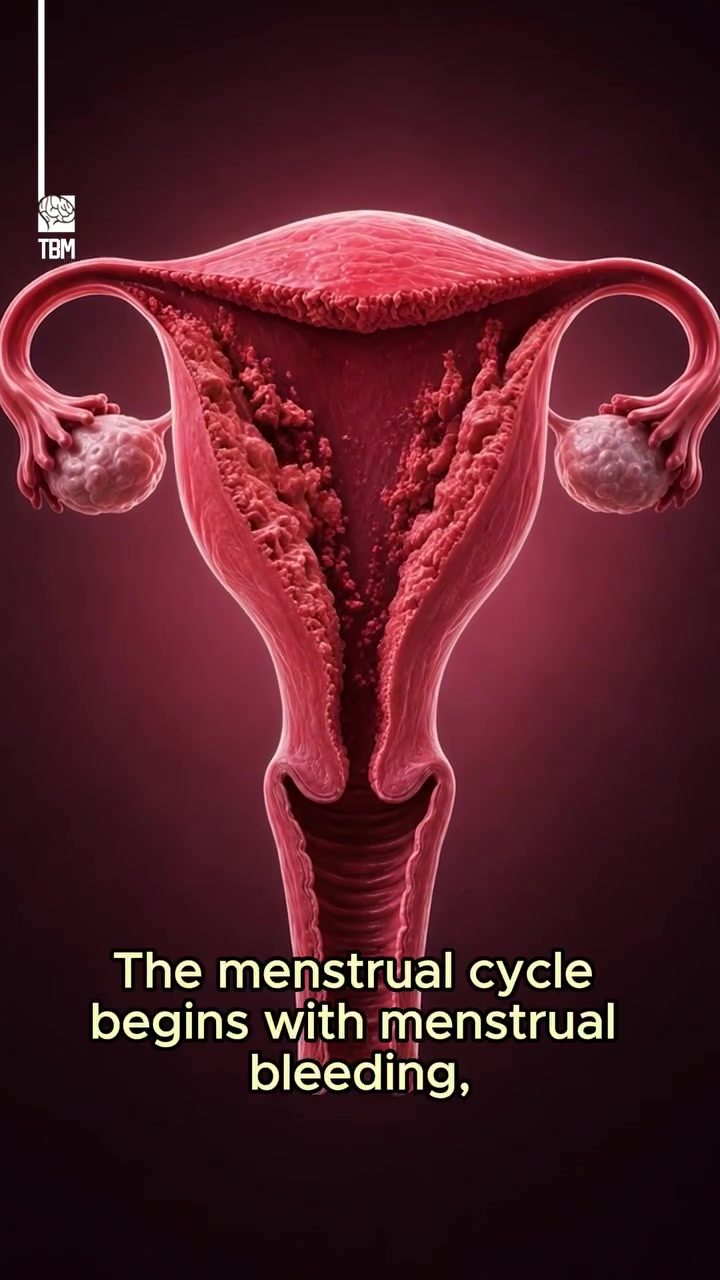
The menstrual cycle begins with menstruation, marking the start of the follicular phase. During this phase, estrogen and progesterone levels are low, which causes the thickened uterine lining (endometrium) to break down and leave the body through vaginal bleeding. This phase typically lasts from day 1 to around day 5 of the cycle.
The Follicular Phase
During the follicular phase, follicle-stimulating hormone (FSH) encourages several ovarian follicles to develop. Each follicle contains an immature egg. One follicle typically becomes dominant and produces increasing amounts of estrogen. This estrogen rebuilds the uterine lining and suppresses FSH, causing the smaller follicles to stop developing.
Ovulation
Around day 14 of a typical 28-day cycle, a surge in luteinizing hormone (LH) triggers ovulation. The dominant follicle ruptures, releasing its mature egg into a fallopian tube. This is the most fertile phase of the cycle, as the egg is available for fertilization.
The Luteal Phase
After ovulation, the ruptured follicle transforms into the corpus luteum, which produces progesterone and estrogen to maintain the uterine lining. If fertilization occurs, progesterone supports early pregnancy by maintaining the thickened uterine lining, which is essential for implantation. If fertilization does not occur, the corpus luteum breaks down, leading to a drop in hormone levels. This causes the uterine lining to shed, marking the start of a new menstrual cycle.
Understanding Key Hormones
Several hormones play crucial roles in the menstrual cycle:
- Estrogen: Produced by the developing follicles, estrogen helps rebuild the uterine lining and prepares the body for potential pregnancy. It also suppresses FSH, ensuring that only the dominant follicle continues to develop.
- Progesterone: Produced by the corpus luteum after ovulation, progesterone maintains the uterine lining. If fertilization occurs, progesterone supports early pregnancy. If not, its levels drop, leading to menstruation.
- FSH (Follicle-Stimulating Hormone): Encourages the development of ovarian follicles, each containing an immature egg. One follicle becomes dominant and produces estrogen, which suppresses FSH and stops the development of other follicles.
- LH (Luteinizing Hormone): Triggers ovulation by causing the dominant follicle to rupture and release its egg. After ovulation, LH helps the ruptured follicle transform into the corpus luteum.
Practical Tips for Tracking Your Menstrual Cycle
Tracking your menstrual cycle can provide valuable insights into your reproductive health. Here are some practical tips:
- Use a Period Tracker App: There are numerous apps available that can help you track your cycle, predict ovulation, and monitor symptoms.
- Record Key Information: Note down the start and end dates of your menstrual period, any changes in flow, and any symptoms you experience.
- Monitor Ovulation: Pay attention to changes in cervical mucus and basal body temperature, which can indicate ovulation.
- Be Consistent: Regularly tracking your cycle can help you identify patterns and detect any irregularities early.
Important Takeaways
The menstrual cycle is a highly synchronized process that prepares the body for pregnancy each month. Understanding the key phases and hormones involved can provide valuable insights into your reproductive health. Keeping track of your cycle can help you identify patterns, predict ovulation, and detect any irregularities early.
Conclusion
The menstrual cycle is a fascinating and intricate process that involves a delicate balance of hormones. From menstruation to ovulation and the luteal phase, each stage plays a crucial role in preparing the body for potential pregnancy. By understanding these phases and the hormones that control them, you can gain a deeper appreciation for the complexity of the female reproductive system. Regularly tracking your menstrual cycle can also provide valuable insights into your health and help you detect any irregularities early.
Watch the Reel
Questions readers ask
What are the four main phases of the menstrual cycle?
The four main phases of the menstrual cycle are menstruation, the follicular phase, ovulation, and the luteal phase. Each phase plays a crucial role in preparing the body for potential pregnancy and is regulated by specific hormonal changes.
What hormonal changes occur during the follicular phase?
During the follicular phase, follicle-stimulating hormone (FSH) stimulates the growth of follicles in the ovaries. As the follicles develop, they produce increasing amounts of estrogen, which helps to thicken the uterine lining in preparation for potential implantation.
What triggers ovulation in the menstrual cycle?
Ovulation is triggered by a surge in luteinizing hormone (LH), which causes the dominant follicle to release an egg. This typically occurs around day 14 of a 28-day cycle, but the exact timing can vary. The released egg then travels down the fallopian tube, where it may be fertilized by sperm.
What happens to the uterine lining during the luteal phase?
During the luteal phase, the ruptured follicle transforms into a structure called the corpus luteum, which produces progesterone. This hormone helps to maintain the thickened uterine lining, making it receptive to a fertilized egg. If fertilization does not occur, the corpus luteum degenerates, leading to a drop in progesterone levels and the start of the next menstrual cycle.
How can I track my menstrual cycle to better understand my body's patterns?
Tracking your menstrual cycle can be done through various methods, including using a calendar, period tracking apps, or monitoring basal body temperature. By recording the start and end dates of your menstrual cycle, along with any symptoms or changes in cervical mucus, you can gain insights into your body's patterns and better predict ovulation, fertility, and other hormonal changes.
What is the significance of the luteal phase in the menstrual cycle?
The luteal phase is significant because it prepares the body for potential pregnancy. The rise in progesterone levels helps to thicken the uterine lining, making it more receptive to a fertilized egg. If fertilization does not occur, the corpus luteum degenerates, leading to a drop in progesterone levels and the onset of menstruation, marking the start of a new cycle.
What role do hormones play in regulating the menstrual cycle?
Hormones play a crucial role in regulating the menstrual cycle. Key hormones include follicle-stimulating hormone (FSH), luteinizing hormone (LH), estrogen, and progesterone. These hormones work together to control the development of follicles, the release of eggs, and the preparation of the uterine lining for potential implantation, ensuring a finely tuned and efficient menstrual cycle.
Related deep dives
Similar reads based on topic and creator.


Recent articles
Fresh deep dives from the latest Reels we unpacked.




Comments
Be the first to comment.