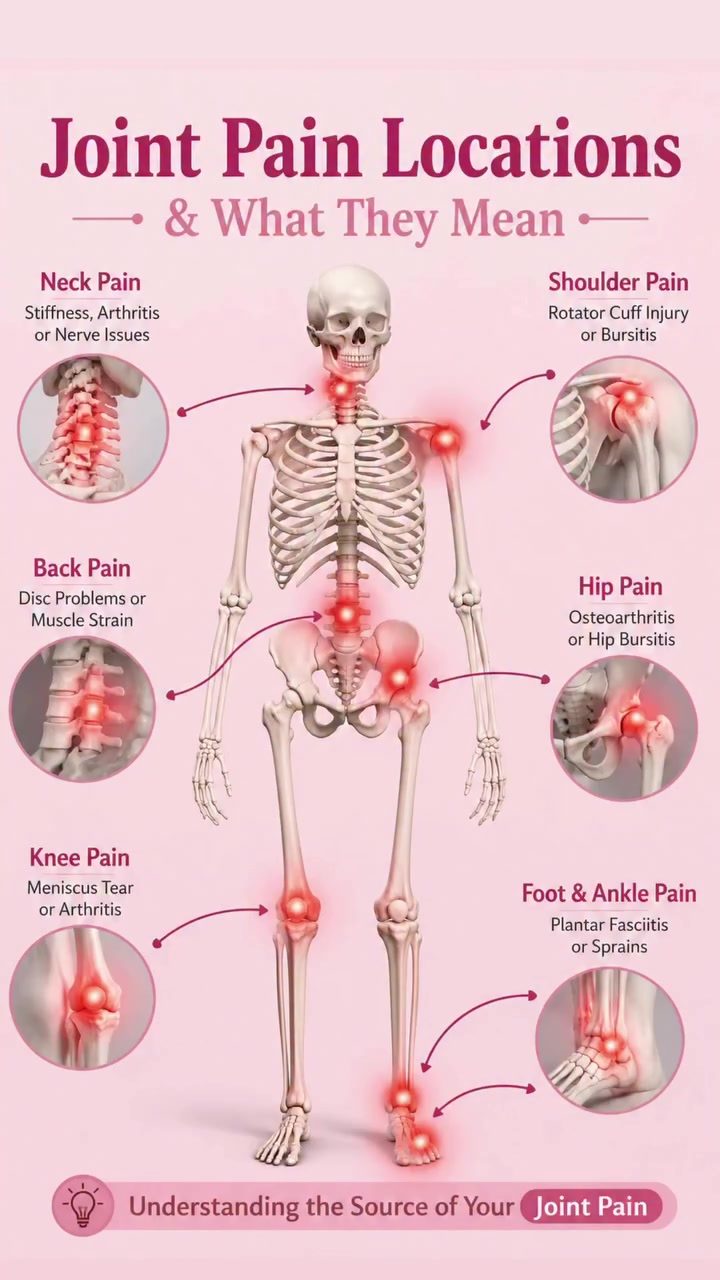
Joint Pain Locations and What They Mean
The location of joint pain can offer valuable insights into potential underlying conditions. Understanding these common areas and their associated issues can help individuals better communicate their symptoms to healthcare professionals and take steps toward appropriate treatment. This guide explores various joint pain locations and their possible causes, emphasizing the importance of proper assessment by a healthcare professional.
Why This Matters
Joint pain is a common complaint that can significantly impact daily life. Recognizing the specific location of joint pain and understanding its potential causes can aid in early detection and effective management of underlying conditions. Knowing when to seek professional help is crucial for preventing further complications and ensuring appropriate treatment.
Common Joint Pain Locations and Their Meaning
Neck Pain
Neck pain is a frequent issue that can stem from various sources. Common causes include:
- Muscle Strain: Often due to poor posture or overuse, muscle strain is a frequent cause of neck pain.
- Arthritis: This degenerative condition can affect the joints in the neck, leading to stiffness and pain.
- Nerve Issues: Conditions like cervical radiculopathy can cause nerve irritation, resulting in neck pain and other related symptoms.
Shoulder Pain
Shoulder pain can be debilitating and may indicate several different conditions:
- Rotator Cuff Injury: Tears or strains in the rotator cuff muscles can cause significant shoulder pain and limit mobility.
- Bursitis: Inflammation of the bursae, small fluid-filled sacs that reduce friction between the bones and tendons, can lead to pain and discomfort.
Back Pain
Back pain is one of the most common types of joint pain and can originate from various sources:
- Disc Problems: Issues with the spinal discs, such as herniation or degeneration, can cause back pain.
- Muscle Strain: Overuse or injury to the muscles in the back can lead to strain and pain.
Hip Pain
Hip pain can be caused by several conditions, including:
- Osteoarthritis: This degenerative joint disease can affect the hip, leading to pain and stiffness.
- Hip Bursitis: Inflammation of the bursae in the hip can cause localized pain and discomfort.
Knee Pain
Knee pain is a common complaint, particularly among athletes and older adults. Possible causes include:
- Meniscus Tear: Injuries to the meniscus, a piece of cartilage that acts as a shock absorber in the knee, can result in pain and instability.
- Arthritis: Both osteoarthritis and rheumatoid arthritis can affect the knee joint, causing pain and swelling.
Foot and Ankle Pain
Foot and ankle pain can stem from various sources, including:
- Plantar Fasciitis: Inflammation of the plantar fascia, a thick band of tissue that connects the heel to the toes, can cause heel pain and discomfort.
- Sprains: Injuries to the ligaments in the ankle can lead to pain, swelling, and instability.
- Tendon Injuries: Conditions like Achilles tendinitis can cause pain and discomfort in the heel and ankle area.
When to Seek Professional Help
While recognizing the location and potential cause of joint pain is a good first step, it's essential to seek professional help for a proper diagnosis and treatment plan. Consult a healthcare professional if you experience any of the following symptoms:
- Persistent Pain: Pain that doesn't go away with rest and over-the-counter treatments.
- Swelling: Inflammation or swelling in the affected joint.
- Weakness or Numbness: Loss of strength or sensation in the affected area.
- Fever: A high temperature accompanied by joint pain.
- Difficulty Walking: Any issues with mobility or walking.
Practical Tips for Managing Joint Pain
While waiting for a professional evaluation, there are several steps you can take to manage joint pain:
- Rest: Give the affected joint some rest to prevent further strain or injury.
- Ice and Heat: Apply ice packs for 15-20 minutes several times a day to reduce swelling and pain. Heat packs can also be used to relax muscles and increase blood flow.
- Over-the-Counter Pain Relievers: Medications like acetaminophen or nonsteroidal anti-inflammatory drugs (NSAIDs) can help manage pain and inflammation.
- Gentle Exercise: Low-impact activities like walking, swimming, or yoga can help maintain mobility and strengthen the muscles around the affected joint.
Important Takeaways
- Joint pain can be caused by various conditions, and the location of the pain can provide clues about the underlying issue.
- Proper assessment by a healthcare professional is essential for an accurate diagnosis and effective treatment plan.
- Recognizing the signs of serious conditions and seeking professional help early can prevent further complications.
- Simple self-care measures can help manage joint pain until a professional evaluation is possible.
Conclusion
Joint pain is a common complaint that can impact daily life and activities. Understanding the various locations of joint pain and their potential causes can help individuals recognize the signs of more serious conditions and seek appropriate treatment. By recognizing the location of joint pain, individuals can better communicate their symptoms to healthcare professionals and take steps toward effective management and relief. Always remember that while understanding joint pain is crucial, a proper assessment by a healthcare professional is essential for an accurate diagnosis and effective treatment.
Watch the Reel
Questions readers ask
What are the most common locations for joint pain?
Joint pain can occur in various locations, with the most common areas including the knees, hips, shoulders, ankles, feet, neck, and back. Each of these locations can be associated with specific conditions that require particular attention.
What are the common causes of knee joint pain?
Knee joint pain can be caused by a variety of conditions, including arthritis, ligament injuries, meniscus tears, and patellofemoral pain syndrome. Understanding the specific cause is crucial for effective treatment and management.
When should I see a healthcare professional about my joint pain?
If your joint pain is severe, persistent, or accompanied by swelling, redness, or warmth, it is essential to consult a healthcare professional. Additionally, if the pain is affecting your daily activities or ranges of motion, seeking medical advice is important for proper assessment and treatment.
What are the possible causes of neck pain?
Neck pain can arise from various conditions, including muscle strains, poor posture, herniated discs, or more serious issues like spinal stenosis. It is important to identify the underlying cause to ensure appropriate treatment and relief.
What kind of pain is associated with plantar fasciitis in the feet?
Plantar fasciitis typically causes a stabbing pain in the bottom of the foot, near the heel. This pain is often most intense with the first steps in the morning and can worsen after long periods of standing or increased activity.
What are the typical causes of shoulder pain?
Shoulder pain can be attributed to several factors, such as rotator cuff injuries, arthritis, bursitis, or tendonitis. Proper diagnosis by a healthcare professional is key to determining the exact cause and developing an effective treatment plan to alleviate the symptoms.
What types of conditions can result in hip joint pain?
Hip joint pain can be due to conditions like arthritis, bursitis, or muscular strains. It is important to consult a healthcare professional to accurately diagnose the condition and recommend the best course of action for managing the pain and potential complications.
Related deep dives
Similar reads based on topic and creator.


Recent articles
Fresh deep dives from the latest Reels we unpacked.




Comments
Be the first to comment.