Jaundice: Causes, Symptoms, and Treatment
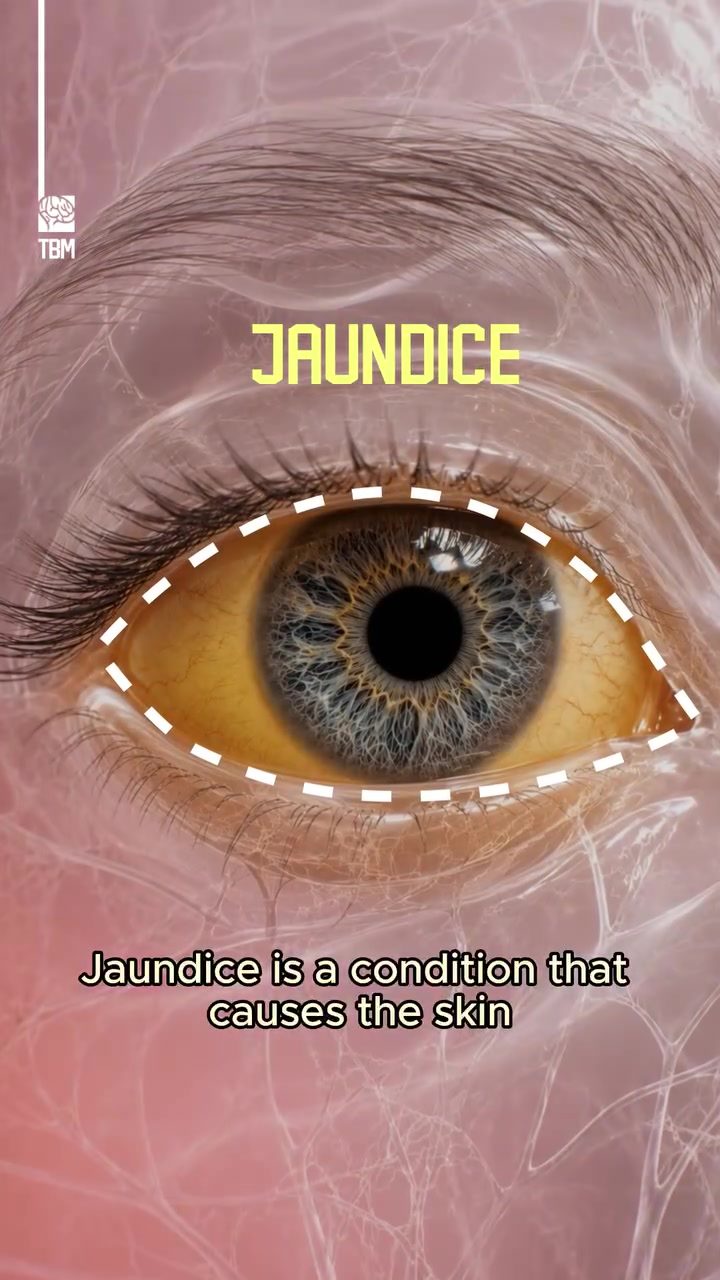
Jaundice is a visible sign of an underlying health condition. The skin and whites of the eyes turn yellow because the body has too much of a yellow pigment called bilirubin. Understanding the causes and symptoms can provide a deeper insight into the potential deeper health issues it could signal.
Context / Why This Matters
Understanding Bilirubin
Bilirubin is a byproduct of red blood cell breakdown. The liver plays a critical role in processing bilirubin. When red blood cells break down, the liver filters bilirubin through bile. However, when the liver is damaged, bile ducts are blocked, or red blood cells are destroyed excessively, bilirubin accumulates, leading to jaundice.
Main Discussion
Jaundice can result from various conditions, each with its own set of risk factors and complications. Here’s a breakdown of the key causes:
Common Causes of Jaundice
Liver Damage and Blockages
-
Hepatitis: This is an inflammation of the liver often caused by viral infections. It can be a potential cause of jaundice by affecting the liver’s ability to filter bilirubin effectively.
-
Liver Cirrhosis: This is a long-term, progressive liver disease where healthy liver tissue is replaced by scar tissue. The damaged liver can't process bilirubin like it should, leading to a buildup in the body.
-
Gallstones: These are hardened deposits that can form in the gallbladder, a small organ located beneath the liver. If a gallstone lodges in a bile duct, it can block the flow of bile, causing bilirubin to accumulate in the bloodstream.
-
Cancers: Certain types of cancer, such as pancreatic cancer, can obstruct bile ducts, preventing bilirubin from being excreted properly.
Blood Disorders
-
Hemolytic Anemia: This condition occurs when red blood cells are destroyed faster than the body can replace them. The excessive breakdown of red blood cells leads to increased bilirubin production, overwhelming the liver’s ability to process it.
-
Sickle Cell Anemia: This genetic disorder can also cause hemolysis, leading to jaundice.
Symptoms of Jaundice
While yellowing of the skin and eyes is the most noticeable symptom of jaundice, it is not the only indicator. Other symptoms to look out for include:
- Dark Urine: The color change in urine is due to the presence of excess bilirubin.
- Pale Stools: This occurs because bilirubin is not being excreted through the bile, affecting the color of stool.
- Itchy Skin: This can be caused by the buildup of bile salts in the skin.
- Fatigue and Weakness: These are common symptoms associated with many underlying causes of jaundice, such as anemia or liver disease.
- Nausea and Abdominal Pain: These symptoms can arise from liver inflammation or bile duct obstruction.
Practical Tips
Recognizing the Signs
Early detection of jaundice can significantly impact the effectiveness of treatment. Regular check-ups and awareness of symptoms can help in identifying potential issues early. If you notice yellowing of the skin or eyes, dark urine, pale stools, or experience any of the mentioned symptoms, it is crucial to consult a healthcare provider for an accurate diagnosis.
Seeking Medical Help
A healthcare professional can perform various tests to determine the underlying cause of jaundice. These tests may include blood tests, imaging studies such as ultrasound or CT scans, and possibly a liver biopsy. Treatment will depend on the underlying condition and may include:
- Medications: These can help manage symptoms or treat the underlying cause, such as antibiotics for hepatitis or medications to manage autoimmune conditions.
- Surgical Interventions: This may be necessary to remove gallstones or to treat certain cancers.
- Phototherapy: Particularly in newborns, blue light phototherapy can help break down excess bilirubin.
Important Takeaways
Jaundice is not a disease in itself but a sign of an underlying condition. Early diagnosis and proper treatment are essential to prevent serious complications and protect long-term liver health. Regular check-ups and awareness of symptoms can aid in timely detection and intervention.
Conclusion
Jaundice is a condition that signals potential underlying health issues, particularly those related to the liver and blood. Understanding the causes, symptoms, and treatment options can help in timely detection and intervention, ensuring better long-term health outcomes.
Watch the Reel
Questions readers ask
What are the most common causes of jaundice?
Jaundice can stem from various factors. Liver damage, often due to conditions like hepatitis or cirrhosis, is a frequent cause. Additionally, bile duct blockages, which can result from gallstones or tumors, can lead to jaundice. Excessive breakdown of red blood cells, as seen in certain blood disorders, can also trigger this condition.
What are the early symptoms of jaundice?
The primary early symptom of jaundice is a yellowing of the skin and the whites of the eyes, which is why it is often the most noticeable. However, this is not the only symptom. Other early signs can include dark urine, light-colored stools, and itching. Some people may also experience abdominal pain or fever.
How is jaundice typically diagnosed?
Diagnosing jaundice involves a combination of physical examination and medical tests. Doctors will often check for yellowing of the skin and eyes. Blood tests are typically used to measure bilirubin levels. Further tests, such as ultrasound or MRI, might be used to identify any underlying liver or bile duct issues.
What are the treatment options for jaundice?
Treatment for jaundice depends on the underlying cause. For instance, if a bile duct blockage is the issue, procedures to remove the blockage may be necessary. If the liver is damaged, managing the underlying liver condition is key. In some cases, medications or even a liver transplant might be required. Additionally, phototherapy, which involves exposing the skin to special lights, can help reduce bilirubin levels in severe cases.
Can jaundice affect people of all ages?
Yes, jaundice can affect individuals of all ages, including newborns, children, and adults. In newborns, it is quite common and often resolves on its own. However, in adults, jaundice is more likely to indicate a serious underlying health issue that requires medical attention. Prompt evaluation and treatment are crucial for adults experiencing jaundice.
What role does the liver play in jaundice?
The liver plays a central role in managing bilirubin, a byproduct of red blood cell breakdown. Normally, the liver processes bilirubin and excretes it through bile. However, when the liver is damaged or bile ducts are blocked, bilirubin accumulates in the body, leading to jaundice. This is why jaundice is often a sign of liver health issues.
Does every case of jaundice require immediate treatment?
Not every case of jaundice requires immediate treatment. In newborns, mild cases of jaundice often resolve without intervention. However, in adults, jaundice typically requires prompt medical attention to determine and address the underlying cause. If you notice signs of jaundice, especially if you have other symptoms like abdominal pain or fever, seek medical advice right away.
Related deep dives
Similar reads based on topic and creator.


Recent articles
Fresh deep dives from the latest Reels we unpacked.




Comments
Be the first to comment.