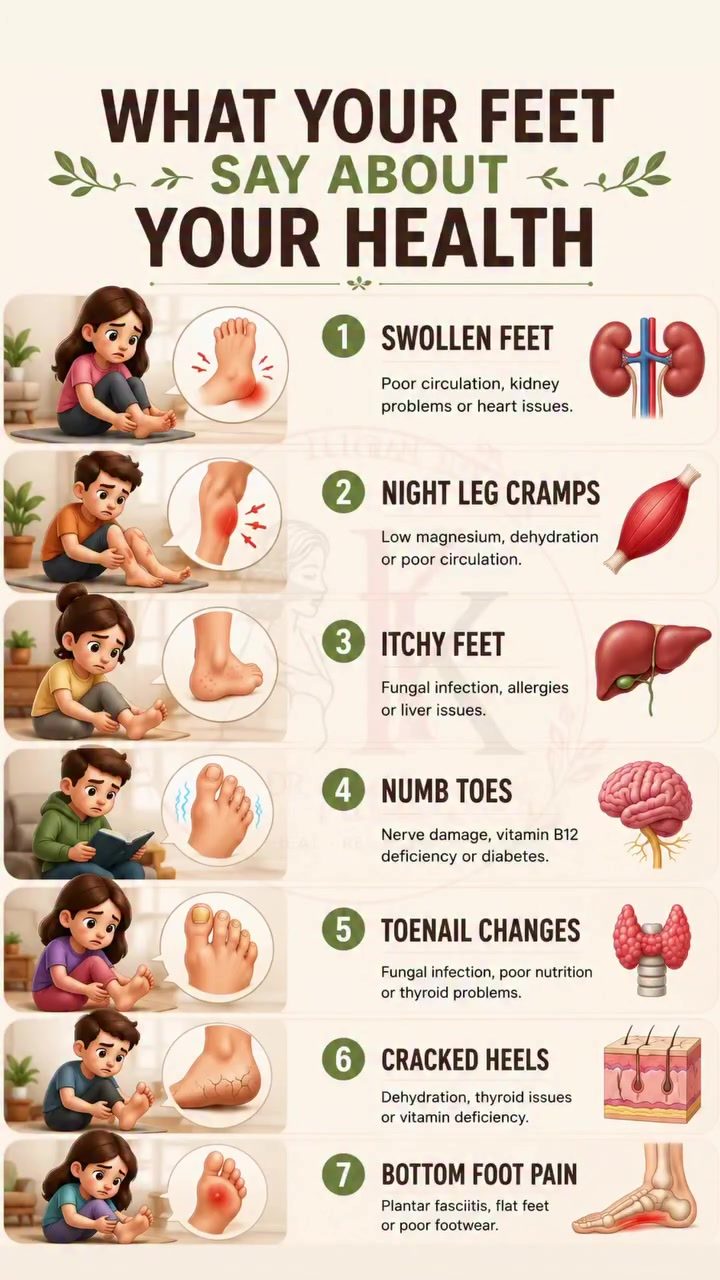
Foot Health: Deciphering What Your Feet Are Telling You
Your feet often serve as a reliable indicator of your overall health. While many people focus on symptoms affecting other parts of the body, foot issues can provide valuable clues about underlying conditions. Understanding common foot problems and their potential causes can help you take proactive steps toward better health.
Why This Matters
Foot health is often overlooked, but ignoring foot problems can lead to more serious health issues. By paying attention to the signs your feet are giving you, you can catch underlying conditions early and take appropriate action. This guide will help you recognize common foot problems and understand what they might be telling you about your overall health.
Common Foot Problems and Their Potential Causes
Swollen Feet
Swollen feet are a common issue that can be caused by a variety of factors. Prolonged standing, pregnancy, and heart, kidney, or liver conditions can all contribute to swelling in the feet. Poor circulation, which can result from conditions like heart disease or diabetes can lead to fluid retention and swelling. Additionally, kidney problems can cause an imbalance in fluids, leading to swelling in the lower extremities. If you notice persistent swelling in your feet, it's important to consult a healthcare provider to rule out any serious underlying conditions.
Night Leg Cramps
Night leg cramps are a painful and disruptive condition that can affect anyone. These cramps are often linked to dehydration, medications, or pregnancy. Dehydration can cause muscle cramps, including those in the legs, so staying hydrated throughout the day is crucial. Certain medications, such as diuretics or statins, can also increase the risk of leg cramps. For pregnant women, leg cramps are a common issue, often due to changes in circulation and electrolyte imbalances. Stretching exercises and staying hydrated can help alleviate night leg cramps.
Itchy Feet
Itchy feet can be caused by a variety of conditions, ranging from minor irritations to more serious health issues. Fungal infections, such as athlete's foot, are a common cause of itchy feet. Eczema and allergies can also lead to itching, as can liver issues. It's important to identify the underlying cause of itchy feet to determine the appropriate treatment. If you suspect a fungal infection, over-the-counter antifungal creams can be effective. For eczema or allergies, topical creams or oral medications may be necessary. If the itching is severe or persists, consult a healthcare provider to rule out more serious conditions.
Numb Toes
Numbness in the toes can be a sign of several underlying health issues. Nerve damage, often related to diabetes, can cause numbness and tingling in the extremities. Vitamin B12 deficiency can also lead to numbness, as the vitamin plays a crucial role in maintaining the health of the nervous system. If you experience numbness in your toes, it's important to consult a healthcare provider to determine the underlying cause. Managing diabetes, ensuring adequate vitamin B12 intake, and addressing nerve damage are key steps in treating numbness in the toes.
Toenail Changes
Changes in the appearance of toenails can indicate several health issues. Fungal infections are a common cause of toenail changes, leading to discoloration, thickening, and brittleness. Trauma to the toenail, such as from tight shoes or injuries, can also cause changes in appearance. Thyroid problems can affect the health of toenails, leading to changes in texture and growth. If you notice changes in your toenails, it's important to identify the underlying cause to determine the appropriate treatment. Maintaining good foot hygiene and wearing appropriate footwear can help prevent toenail changes.
Cracked Heels
Cracked heels are a common issue that can be both uncomfortable and unsightly. They are usually due to dry skin, diabetes, or hypothyroidism. Dry skin can lead to cracking, especially in the heel area. Diabetes can cause nerve damage and reduced blood flow, leading to dry skin and cracking. Hypothyroidism, a condition in which the thyroid gland does not produce enough hormones, can also lead to dry skin and cracking. Regular exfoliation, moisturizing, and addressing underlying conditions can help alleviate cracked heels.
Bottom Foot Pain
Pain in the bottom of the foot can be caused by a variety of conditions. Plantar fasciitis, a condition in which the ligament supporting the arch of the foot becomes inflamed, is a common cause of bottom foot pain. Flat feet, or fallen arches, can also lead to pain in the bottom of the foot. Poor footwear that lacks proper support can exacerbate these issues. If you experience pain in the bottom of your foot, it's important to address the underlying cause. Supportive footwear, orthotics, and physical therapy can help alleviate bottom foot pain.
Practical Tips
Maintaining Foot Health
- Regular Exams: Regular foot exams are essential for maintaining foot health. Schedule routine check-ups with a podiatrist to catch any potential issues early.
- Proper Footwear: Wearing supportive and well-fitting footwear can prevent many foot problems. Choose shoes that provide arch support, cushioning, and room for your toes to move.
- Foot Hygiene: Maintain good foot hygiene by washing your feet daily, drying them thoroughly, and keeping your toenails trimmed. This helps prevent fungal infections and other issues.
- Moisturizing: Regularly moisturize your feet, especially the heels, to prevent cracking and dryness. Use a foot cream or lotion designed for dry skin.
- Stay Hydrated: Drink plenty of water to stay hydrated and support your overall health. Adequate hydration can help prevent issues like leg cramps and dry skin.
Important Takeaways
- Your feet can provide valuable clues about your overall health.
- Recognizing common foot problems and their potential causes can help you take proactive steps toward better health.
- Swollen feet, night leg cramps, itchy feet, numb toes, toenail changes, cracked heels, and bottom foot pain can all indicate underlying health issues.
- Regular foot exams, proper footwear, good foot hygiene, moisturizing, and staying hydrated are essential for maintaining foot health.
Conclusion
Understanding the signs your feet are giving you can help you take proactive steps toward better overall health. By recognizing common foot problems and their potential causes, you can address issues early and seek appropriate treatment. Maintaining good foot health through regular exams, proper footwear, good hygiene, moisturizing, and staying hydrated can prevent many common foot problems. Pay attention to what your feet are telling you, and take the necessary steps to ensure your overall well-being.
Watch the Reel
Questions readers ask
What are the common causes of swollen feet and what might they indicate about my health?
Swollen feet can be caused by a variety of factors, including prolonged standing, pregnancy, or high-salt diets. However, they can also indicate more serious health issues such as heart disease, kidney problems, or venous insufficiency. If your feet swell unexpectedly or frequently, it's important to consult a healthcare professional.
What can night leg cramps tell me about my overall health?
Night leg cramps can be a sign of dehydration, mineral deficiencies, or poor circulation. They can also indicate neurological issues or problems with the liver, thyroid, or kidneys. If you experience frequent night leg cramps, it's a good idea to assess your hydration and electrolyte intake, and consult a healthcare provider if symptoms persist.
What should I know about foot issues and diabetes?
Diabetes can cause a variety of foot problems, including numbness, pain, and poor circulation. High blood sugar levels can damage nerves and blood vessels, leading to issues like neuropathy and ulcers. Regular foot checks and maintaining healthy blood sugar levels are crucial for people with diabetes.
How can dehydration affect my foot health?
Dehydration can cause or exacerbate foot problems such as cramps, swelling, and even skin issues. It can also lead to poor circulation, making it harder for your body to deliver essential nutrients and oxygen to your feet. Ensuring proper hydration is key to maintaining overall foot health.
What are some signs of poor foot circulation and what do they mean?
Poor foot circulation can manifest as cold feet, cramps, numbness, or tingling. These symptoms may indicate underlying conditions such as peripheral artery disease, diabetes, or Raynaud's disease. If you experience these symptoms, it's important to speak with a healthcare provider to address potential circulation issues.
What can changes in toenails tell me about my health?
Changes in toenails, such as discoloration, thickening, or crumbling, can indicate fungal infections, vitamin deficiencies, or even more serious health issues like liver problems or diabetes. Regularly inspecting your toenails and noting any changes can help you catch potential health issues early.
What might itchy feet indicate about my health?
Itchy feet can be a sign of a fungal infection, such as athlete's foot, or a reaction to certain substances. In some cases, itchy feet may also indicate issues like poor circulation, diabetes, or thyroid problems. If your feet are persistently itchy, it's important to consult a healthcare professional for an accurate diagnosis and appropriate treatment.
Related deep dives
Similar reads based on topic and creator.


Recent articles
Fresh deep dives from the latest Reels we unpacked.




Comments
Be the first to comment.