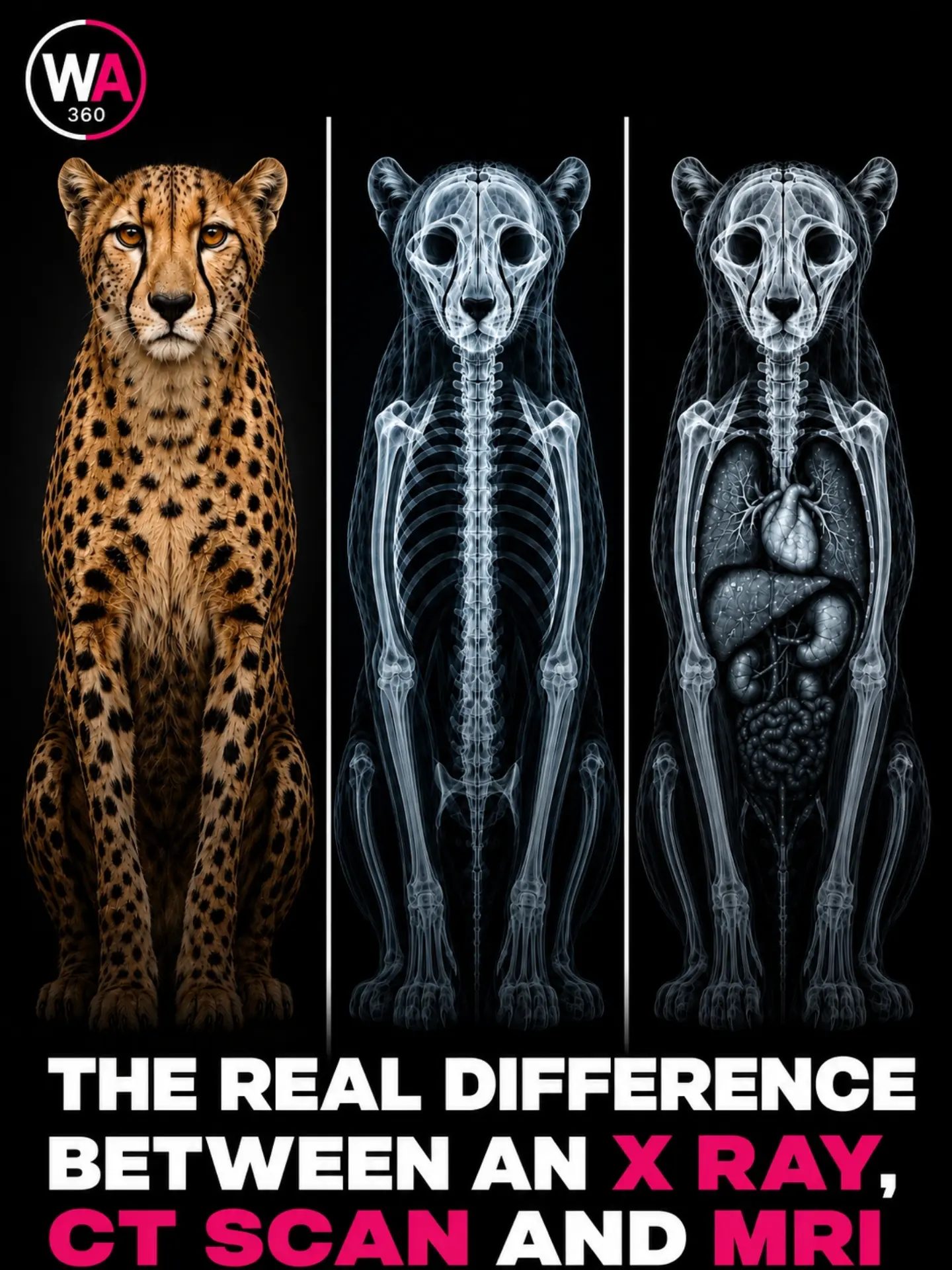
Medical Imaging: X-Ray, CT Scan, and MRI
Medical imaging techniques are essential tools in modern healthcare, aiding in the diagnosis and treatment of various conditions. Understanding the differences between X-ray, CT scan, and MRI can help you appreciate why your healthcare provider might recommend one over the others. Each of these imaging methods serves a unique purpose and offers distinct advantages.
Context
When facing a medical issue, it's common to undergo one or more imaging tests. These tests help healthcare providers pinpoint the cause of symptoms, assess the extent of an injury or disease, and monitor the effectiveness of treatments. Knowing the strengths and applications of each imaging technique can empower you to make informed decisions about your healthcare.
Main discussion
X-Ray Imaging
X-ray imaging is one of the most commonly used and oldest forms of medical imaging. X-rays use a small amount of radiation to create images of the body's interior. They are particularly effective at detecting:
- Bone fractures and dislocations
- Certain types of lung diseases, such as pneumonia or lung cancer
- Some types of infections and other conditions
X-rays are quick, painless, and relatively inexpensive compared to other imaging methods. However, they provide less detailed images of soft tissues and are not as effective for identifying issues within the brain, spinal cord, or other complex structures.
CT Scans
Computed Tomography (CT) scans combine multiple X-ray images taken from different angles to create detailed, cross-sectional views of the body. CT scans are particularly useful for identifying:
- Internal injuries and bleeding
- Complex fractures that are not visible on standard X-rays
- Tumors and other growths
- Abnormalities within the brain, lungs, and other organs
CT scans provide more detailed information than standard X-rays and can help diagnose a wider range of conditions. However, they involve higher levels of radiation exposure compared to X-rays, and the process can be more time-consuming and costly.
MRI Scans
Magnetic Resonance Imaging (MRI) scans use powerful magnetic fields and radio waves to generate detailed images of the body's soft tissues. Unlike X-rays and CT scans, MRI does not use radiation, making it a safer option for certain patients, such as pregnant women or those who need repeated imaging.
MRI scans are exceptionally effective for:
- Examining the brain and spinal cord
- Assessing soft tissue injuries, such as ligament or muscle damage
- Evaluating the condition of joints, organs, and other structures
MRI scans provide highly detailed images and are particularly valuable in diagnosing conditions that affect soft tissues. However, they can be more expensive and time-consuming than X-rays or CT scans, and they are not suitable for patients with certain types of metal implants or devices.
Comparing the Imaging Techniques
The choice between X-ray, CT scan, and MRI depends on several factors, including the symptoms, the body part being examined, and the level of detail required. Here's a quick comparison:
| X-Ray | CT Scan | MRI | |
|---|---|---|---|
| Radiation Use | Yes | Yes | No |
| Speed | Fast | Moderate | Slow |
| Cost | Low | Moderate | High |
| Detail Level | Low | High | Highest |
| Best For | Bones, basic chest conditions | Internal injuries, complex fractures, certain tumors | Soft tissues, brain, spinal cord, joints |
Practical tips
- Always follow your healthcare provider's recommendations for imaging tests. They have the expertise to determine the most appropriate method based on your symptoms and medical history.
- Be prepared to discuss any concerns about radiation exposure or other aspects of the imaging process. Your healthcare provider can address your concerns and explain the benefits and risks of each method.
- If you have metal implants or devices, inform your healthcare provider before undergoing an MRI scan. Certain types of metal can interact with the magnetic fields used in MRI, posing a potential safety risk.
- Stay hydrated and follow any pre-test instructions provided by your healthcare provider. Some imaging tests may require you to fast, drink contrast agents, or follow other preparations.
Important takeaways
- Each imaging technique—X-ray, CT scan, and MRI—offers unique advantages and is suited to specific diagnostic purposes.
- Understanding the differences between these methods can help you make informed decisions about your healthcare and better appreciate your provider's recommendations.
- Always follow your healthcare provider's guidance regarding the most appropriate imaging test for your condition.
Conclusion
Medical imaging techniques like X-ray, CT scan, and MRI are invaluable tools in modern healthcare, providing detailed insights into the body's interior. By understanding the differences between these methods, you can better appreciate the reasoning behind your healthcare provider's recommendations and make more informed decisions about your care. Knowledge of these imaging techniques empowers you to take a more active role in your healthcare journey.
Watch the Reel
Questions readers ask
What are the primary differences between an X-ray and a CT scan?
An X-ray produces a single image of the inside of the body, whereas a CT scan generates a series of cross-sectional images. X-rays are typically quicker and less expensive but provide less detail than CT scans. CT scans are ideal for examining complex structures like organs, bones, and blood vessels in detail.
Why might a healthcare provider choose a CT scan over an MRI?
A CT scan might be chosen if the patient has certain metallic implants, as these can cause issues with MRI scans. Additionally, a CT scan is faster and often more readily available, which is important in emergency situations. However, a CT scan exposes the patient to radiation, whereas an MRI does not, which may be a factor in the decision.
What conditions are best diagnosed with an MRI?
MRI scans are particularly effective in diagnosing conditions involving soft tissues, such as muscles, ligaments, and the brain. They are often used to detect tumors, spinal cord injuries, and abnormalities in the brain, as well as assessing joint damage and diagnosing conditions like multiple sclerosis.
How does the cost of a CT scan compare to an X-ray?
CT scans are generally more expensive than X-rays. An X-ray can be a cost-effective choice for many situations, providing quick images for assessing bone fractures or lung conditions, while a CT scan is used when detailed, cross-sectional views of internal structures are needed, justifying the higher cost.
What are the benefits of an MRI over an X-ray?
MRI scans provide highly detailed images of soft tissues, making them superior for diagnosing issues in muscles, ligaments, and organs. They do not use ionizing radiation, which can be an advantage for patients who need repeated scans. However, MRIs are more time-consuming and may not be suitable for patients with certain metallic implants.
When might a healthcare provider prescribe an X-ray instead of a CT scan or MRI?
X-rays are often the first choice for assessing bone injuries, such as fractures, or for examining the chest and lungs. They are quicker, less expensive, and expose the patient to less radiation than a CT scan. X-rays are also used for monitoring conditions over time, such as osteoporosis, due to their simplicity and lower cost.
Related deep dives
Similar reads based on topic and creator.

Recent articles
Fresh deep dives from the latest Reels we unpacked.




Comments
Be the first to comment.