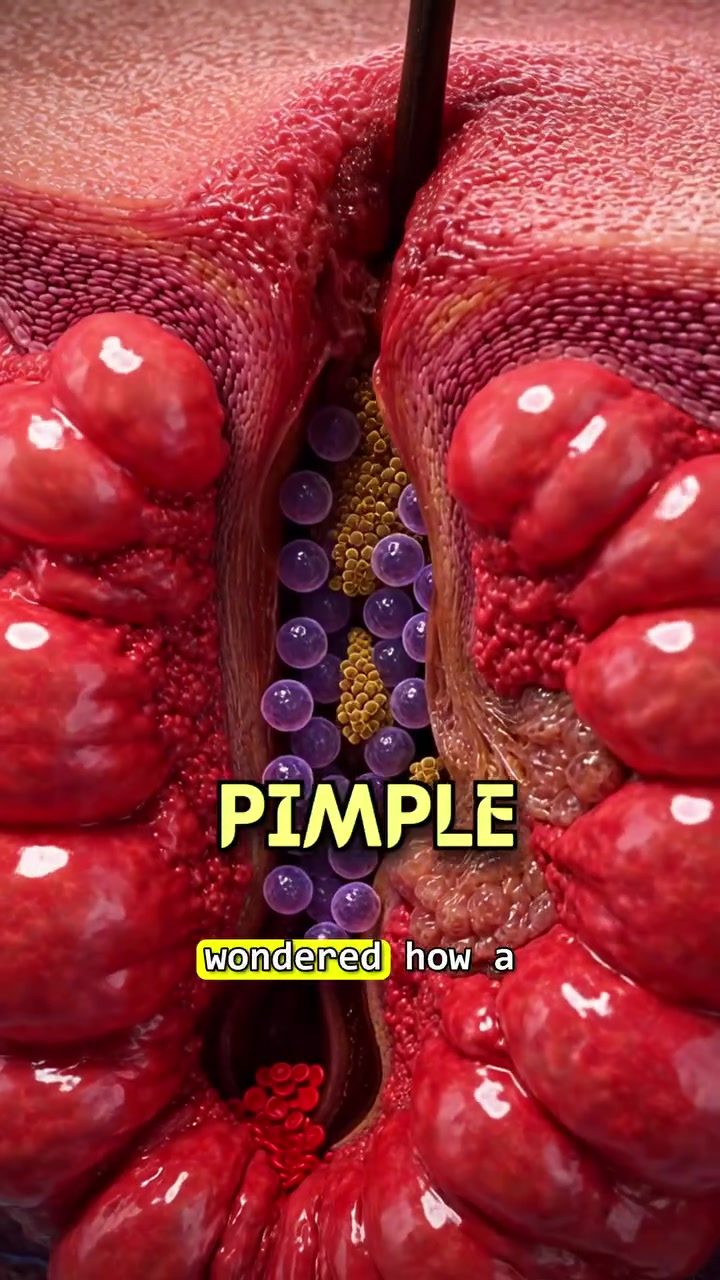
How a Pimple Forms Under Your Skin
Pimples are a common skin issue that can affect people of all ages. Understanding how a pimple forms can help in managing and preventing them. This process involves a series of biological reactions beneath the skin's surface, triggered by the blockage of pores.
The Role of Pores and Oil
Your skin is covered with tiny pores that secrete oil, also known as sebum, to keep the skin lubricated and healthy. Normally, this oil flows freely out through the pores. However, when a pore becomes clogged with oil, dead skin cells, and sometimes bacteria, the oil gets trapped beneath the surface. This creates an ideal environment for bacteria that naturally reside on the skin to multiply.
The Battle Beneath the Surface
Once the pore is blocked, the immune system kicks into action to fight the bacteria. This microscopic battle causes inflammation, leading to the red, swollen, warm, and painful area characteristic of a pimple. As dead cells, bacteria, and immune cells accumulate, a white or yellow center begins to form, creating the familiar appearance of a pimple.
The Healing Process
Eventually, the inflammation subsides, the blockage clears, and the skin starts to heal. This process can take several days to a few weeks, depending on the severity of the pimple and how the body responds to the infection.
Why This Matters
Understanding the formation of pimples is crucial for effective skincare management. By recognizing the role of pores, oil, and bacteria, you can take steps to prevent and treat pimples more effectively. Proper skincare routines, including regular cleansing and exfoliation, can help keep pores clear and reduce the likelihood of pimple formation.
The Skin Microbiome
The skin microbiome plays a significant role in skin health. Bacteria on the skin, often viewed negatively due to their association with acne, are actually essential for maintaining a healthy skin barrier. They help protect the skin from harmful pathogens and regulate the skin's immune response.
Common Misconceptions
One of the most prevalent misconceptions about pimples is that they are simply trapped dirt. In reality, pimples are the result of a complex interaction between oil, dead skin cells, bacteria, and the immune system. Recognizing this can help dispel myths and encourage a more effective approach to skincare.
Practical Tips for Preventing Pimples
- Cleanse Regularly: Use a gentle cleanser to wash your face twice a day to remove excess oil and dirt.
- Exfoliate: Regular exfoliation helps remove dead skin cells that can clog pores. Use a mild exfoliant to avoid irritating the skin.
- Avoid Touching Your Face: Touching your face can transfer bacteria and oil from your hands to your skin, increasing the likelihood of pimples.
- Moisturize: Keep your skin hydrated with a lightweight, non-comedogenic moisturizer to maintain a healthy skin barrier.
- Use Non-Comedogenic Products: Opt for skincare and makeup products labeled as non-comedogenic, meaning they won't clog pores.
- Healthy Lifestyle: Maintain a balanced diet, stay hydrated, and get enough sleep to support overall skin health.
Skincare Routine
A consistent skincare routine can significantly reduce the occurrence of pimples. Here’s a simple routine to get you started:
-
Morning Routine:
- Cleanse: Start with a gentle cleanser to remove any impurities.
- Moisturize: Apply a lightweight, non-comedogenic moisturizer.
- Sun Protection: Finish with a broad-spectrum sunscreen to protect your skin from UV damage.
-
Evening Routine:
- Double Cleanse: Use an oil-based cleanser to remove makeup and sunscreen, followed by a gentle cleanser.
- Treat: Apply a spot treatment or serum targeting acne.
- Moisturize: Finish with a moisturizer to keep your skin hydrated.
Important Takeaways
- Pimples are not just trapped dirt; they are the result of a complex interaction between oil, dead skin cells, bacteria, and the immune system.
- Regular cleansing and exfoliation can help prevent pimple formation.
- The skin microbiome, including bacteria, plays a crucial role in maintaining skin health.
- A consistent skincare routine, along with a healthy lifestyle, can significantly improve skin health and reduce the likelihood of pimples.
Conclusion
Pimples are a natural part of skin health, but understanding their formation can help in managing and preventing them. By maintaining a consistent skincare routine and adopting healthy habits, you can keep your skin clear and healthy.
Watch the Reel
Questions readers ask
What are the main causes of pimples forming under the skin?
Pimples form due to a combination of factors: clogged pores filled with oil (sebum), an accumulation of dead skin cells, and bacteria. When these elements block a pore, it creates an environment where bacteria can thrive, leading to inflammation and the formation of a pimple.
How does oil contribute to the development of pimples?
Oil, or sebum, is produced by the skin to keep it hydrated and healthy. However, when excess oil mixes with dead skin cells, it can clog pores. Once a pore is blocked, oil gets trapped beneath the skin, creating a breeding ground for bacteria, which in turn causes pimples to form.
What role do bacteria play in pimple formation?
Bacteria that naturally live on the skin can enter and multiply in clogged pores. This proliferation of bacteria triggers an immune response, leading to redness, swelling, and the formation of a pimple. The body's response to the bacterial infection is what causes the typical symptoms and appearance of a pimple.
Can understanding the pimple formation process help in preventing breakouts?
Yes, understanding how pimples form can help individuals manage and prevent breakouts. By recognizing the role of pores, oil, and bacteria, people can develop better skin care habits, such as keeping pores clear, maintaining a balanced level of oil, and minimizing bacterial exposure. This knowledge can lead to improved skin health and fewer breakouts.
What are some effective ways to keep pores clear and prevent pimples?
To keep pores clear, it’s important to maintain a consistent skincare routine. This includes regular cleansing to remove excess oil and dead skin cells, using non-comedogenic products that won't clog pores, and avoiding touching the face to minimize bacterial transfer. Additionally, exfoliating can help remove dead skin cells and unclog pores.
How can controlling oil production help manage pimples?
Controlling oil production is crucial for managing pimples. Using oil-free or non-comedogenic skincare products can help regulate sebum production and prevent pores from becoming clogged. Additionally, incorporating gentle cleansing techniques and avoiding harsh scrubs can help maintain a healthy balance of oil on the skin without causing irritation or dryness.
What should you do if you notice a pimple forming under the skin?
If you notice a pimple forming, it’s best to avoid squeezing or picking at it, as this can worsen the inflammation and potentially spread bacteria. Instead, apply a warm compress to the area to help bring the pimple to a head naturally. This can speed up the healing process. Additionally, using over-the-counter treatments containing salicylic acid or benzoyl peroxide can help reduce inflammation and clear the pimple more quickly.
Related deep dives
Similar reads based on topic and creator.


Recent articles
Fresh deep dives from the latest Reels we unpacked.




Comments
Be the first to comment.