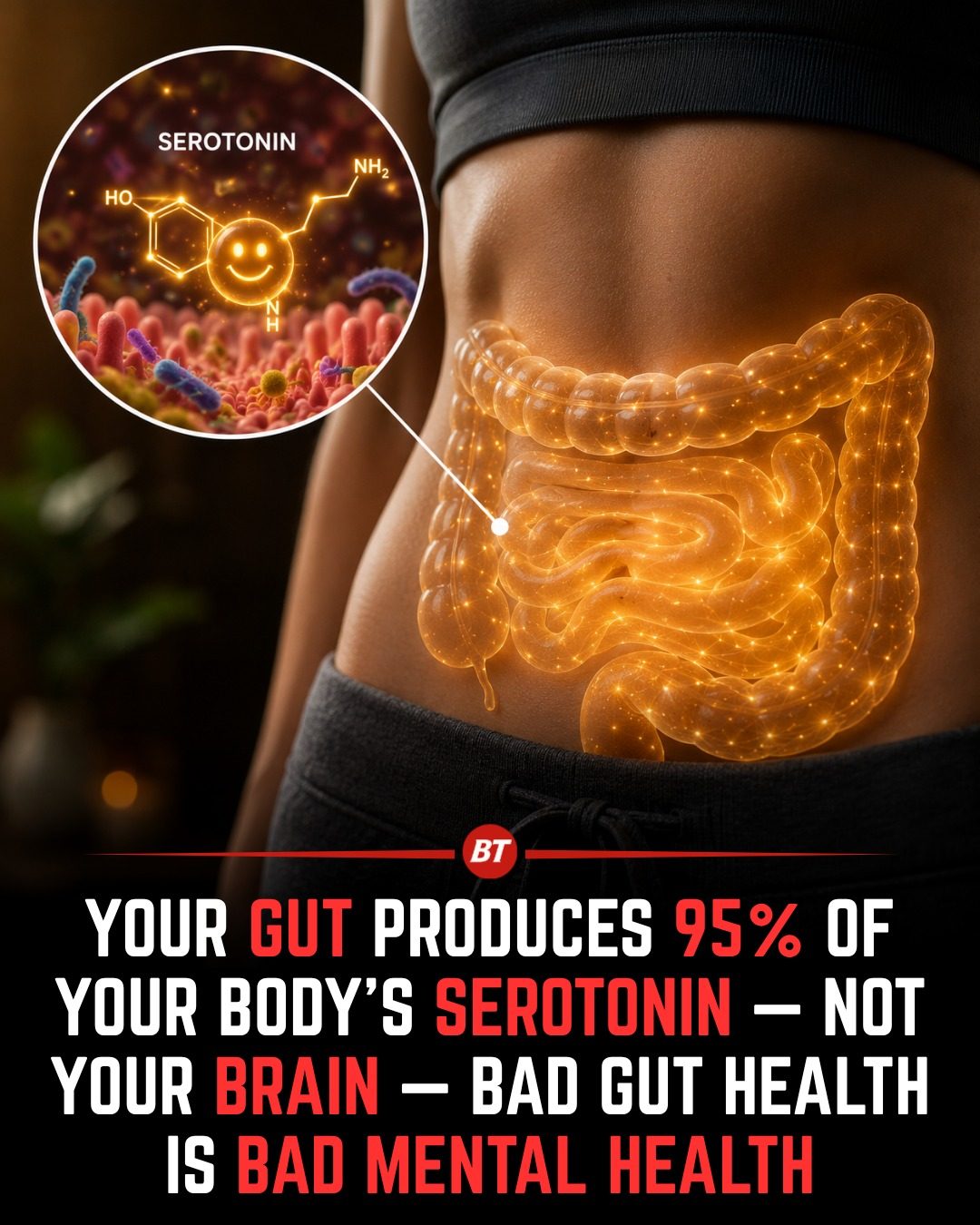
Gut Health and Serotonin
The intricate relationship between the gut and the brain is a fascinating and increasingly well-researched area of science. This connection is stronger than most people realize, with around 90–95% of the body's serotonin being produced in the gastrointestinal tract, primarily by specialized cells lining the intestines. Understanding this connection can provide valuable insights into both physical and mental health.
Why This Matters
The gut is often referred to as the "second brain" due to its extensive network of neurons and its significant role in producing serotonin. Serotonin is widely known as a "feel-good" chemical, but most of the serotonin made in the gut helps regulate digestion, intestinal movement, and communication between the gut and the nervous system. This means that the health of your gut can directly impact your mental well-being, influencing mood, anxiety, and even cognitive function.
The Gut-Brain Connection
Understanding Serotonin Production
Around 90–95% of the body's serotonin is produced in the gastrointestinal tract, not the brain. This serotonin is primarily made by specialized cells lining the intestines. While serotonin is often associated with mood regulation, the serotonin produced in the gut plays a different role. It helps regulate digestion, intestinal movement, and communication between the gut and the nervous system, rather than directly controlling mood. Below are the key points:
Serotonin is a neurotransmitter that influences various bodily functions, including mood, appetite, and sleep. It is often referred to as the "feel-good" chemical, but its roles extend far beyond just mood regulation. In the gut, serotonin helps regulate digestion and communication between the gut and the nervous system.
The Role of the Gut Microbiome
The gut microbiome—the trillions of bacteria living in your digestive tract—plays a major role in influencing serotonin production and the gut-brain axis. This complex communication network links the digestive system with the brain. Researchers have discovered that an unhealthy gut microbiome may be associated with increased inflammation and a higher risk of mood disorders such as anxiety and depression.
The Pathways of Influence
It's important to note that serotonin produced in the gut does not cross the blood-brain barrier. Instead, gut health appears to influence mental well-being through multiple pathways, including:
- Immune Signaling: The gut microbiome can affect the immune system, which in turn can influence mental health.
- Vagus Nerve Communication: The vagus nerve connects the brain to the gut and helps regulate various bodily functions, including mood and digestion.
- Microbial Metabolites: Bacteria in the gut produce metabolites that can influence brain function and mood.
- Hormone Regulation: The gut microbiome can affect hormone levels, which can impact mental health.
Practical Tips for Gut Health
Given the significant role of the gut in overall health, it's crucial to maintain a healthy gut microbiome. Here are some practical tips to support gut health:
Diet and Nutrition
- Feed Your Gut with Fiber-Rich Foods: Include fruits, vegetables, legumes, and whole grains in your diet. Fiber helps feed the beneficial bacteria in your gut, promoting a healthy microbiome.
- Fermented Foods: Consume fermented foods like yogurt, kefir, and sauerkraut. These foods contain probiotics, which are live bacteria and yeasts that are beneficial for gut health.
- Prebiotics: Foods rich in prebiotics, such as onions, garlic, and bananas, can help nourish the good bacteria in your gut.
Lifestyle Habits
- Regular Exercise: Regular physical activity can help maintain a healthy gut microbiome. Aim for at least 30 minutes of moderate exercise most days of the week.
- Good Sleep: Quality sleep is essential for overall health, including gut health. Aim for 7-9 hours of sleep per night and maintain a consistent sleep schedule.
- Stress Management: Chronic stress can negatively impact gut health. Practice stress-reduction techniques such as meditation, deep breathing, or yoga to maintain a healthy gut-brain connection.
Important Takeaways
The connection between gut health and serotonin production is a complex but crucial aspect of overall well-being. By understanding the role of the gut in producing serotonin and its influence on the gut-brain axis, it becomes clear why maintaining a healthy gut microbiome is essential.
Regular consumption of fiber-rich foods, fermented foods, and prebiotics can support a healthy gut microbiome. Additionally, lifestyle habits such as regular exercise, good sleep, and stress management can further enhance gut health and its positive impact on mental well-being.
Conclusion
The relationship between the gut and the brain is a dynamic and interconnected system that plays a vital role in both physical and mental health. By prioritizing gut health, you can support overall well-being and potentially mitigate the risk of mood disorders. Incorporating a balanced diet, regular exercise, and stress management techniques into your daily routine can significantly contribute to a healthy gut and, consequently, a healthier mind.
Watch the Reel
Questions readers ask
How does the gut influence mental health?
The gut influences mental health through the gut-brain axis, a two-way communication system that links the gut to the brain. This connection is facilitated by the enteric nervous system, which produces serotonin, a chemical that affects mood, cognition, and emotional regulation. Hence, maintaining good gut health can positively impact mental well-being.
What is the 'second brain' in the gut?
The 'second brain' refers to the enteric nervous system (ENS) located in the gut. The ENS is a complex network of neurons that lines the gastrointestinal tract and functions semi-autonomously, which means it can operate independently of the brain and spinal cord. This network significantly influences both digestion and mental well-being.
How much serotonin is produced in the gut?
Approximately 90-95% of the body's serotonin is produced in the gastrointestinal tract. This is a crucial aspect of the gut-serotonin connection, as serotonin plays a vital role in mood regulation, digestion, and communication between the gut and the central nervous system.
Can altering my diet change my mood?
Yes, altering your diet can change your mood. The gut microbiome, which is influenced by diet, plays a significant role in serotonin production and gut-brain communication. Consuming a diet rich in fiber, and fermented foods can promote a healthy gut microbiome, which in turn, can positively impact mental health.
What is the role of the gut microbiome in serotonin production?
The gut microbiome—the trillions of microorganisms living in the digestive system—plays a crucial role in serotonin production and gut-brain communication. Certain gut bacteria help convert dietary tryptophan into serotonin, further emphasizing the importance of a healthy gut for mental well-being.
How does the gut influence digestion?
The gut influences digestion through the enteric nervous system and serotonin. Serotonin helps regulate intestinal movement, ensuring that food moves through the digestive system at an appropriate pace. This process, known as peristalsis, is essential for proper digestion and absorption of nutrients.
Can mental health issues affect the gut?
Yes, mental health issues can affect the gut. The gut-brain axis is a two-way street, meaning that the gut can influence the brain and vice versa. Stress, anxiety, and other mental health issues can disrupt the gut's functioning, leading to digestive problems and other physical symptoms.
Related deep dives
Similar reads based on topic and creator.




Recent articles
Fresh deep dives from the latest Reels we unpacked.




Comments
Be the first to comment.