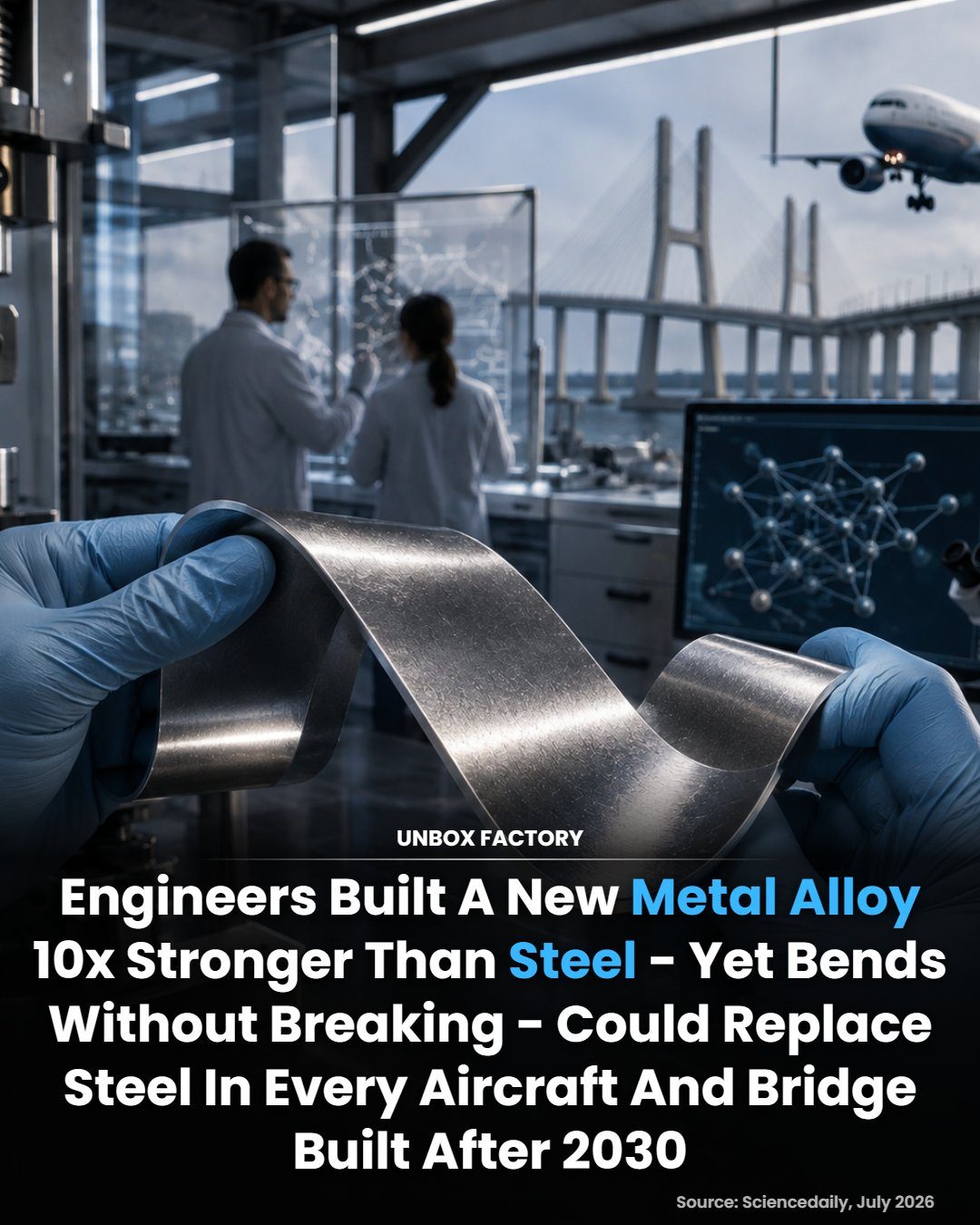
New Metal Alloy
Engineers have developed a revolutionary new metal alloy that is reportedly up to ten times stronger than conventional structural steel. This remarkable material does not compromise on flexibility; it remains highly ductile, allowing it to bend without breaking. The alloy's unique properties make it a potential game-changer in various industries, from aviation and aerospace to bridge construction, automobiles, offshore structures, and defense.
Why This Matters
This new metal alloy represents a significant advancement in materials science. Its exceptional strength and flexibility could lead to lighter, more durable structures across multiple industries. By reducing weight and increasing durability, this alloy could help build more fuel-efficient transportation systems, longer-lasting bridges, and more robust defense structures. The potential applications are vast, and the impact on various sectors could be profound.
Properties and Potential Applications
Exceptional Strength and Flexibility
The new alloy's most striking feature is its strength. It is reportedly ten times stronger than conventional structural steel, which is a benchmark material in construction and engineering. This strength comes without compromising on flexibility. The alloy can bend without breaking, a property that sets it apart from many other ultra-strong materials which often become brittle under stress.
This combination of strength and ductility is crucial for applications where materials need to absorb impacts without catastrophic failure. Imagine aircraft components or bridge supports that can withstand extreme forces without fracturing. The alloy could potentially revolutionize safety and longevity in these structures.
Industrial Applications
The potential applications of this new metal alloy are vast and varied. Here are some of the most promising areas:
Aviation and Aerospace
In the aviation and aerospace industries, weight reduction is crucial for fuel efficiency and performance. The new alloy could replace steel in aircraft and bridges built after 2030, leading to lighter, more fuel-efficient aircraft and longer-lasting bridges.
Bridge Construction
In bridge construction, durability and safety are paramount. The new alloy could significantly improve the lifespan of bridges, reducing maintenance costs and enhancing safety. Its flexibility would allow bridges to withstand environmental stresses and impacts better.
Automobiles
In the automotive industry, the alloy could lead to lighter, more fuel-efficient vehicles. Its strength and flexibility could improve vehicle safety, making cars less susceptible to deformation and failure in accidents.
Offshore Structures and Defense
For offshore structures and defense applications, the alloy's durability and strength would ensure longevity and reliability in harsh environments. This could lead to more resilient infrastructure and defense systems, reducing the need for frequent repairs and replacements.
Practical Considerations
While the potential of this new metal alloy is immense, there are practical considerations to keep in mind. The commercialization of this material requires significant investment in research and development. Companies will need to scale up production, ensure consistent quality, and integrate the new alloy into existing manufacturing processes.
Additionally, the cost of the new alloy will be a critical factor. Initially, it may be more expensive than traditional materials, but the long-term benefits in terms of durability and reduced maintenance could offset these costs.
Important Takeaways
The development of this new metal alloy marks a significant milestone in materials science. Its unique properties of exceptional strength and flexibility offer numerous benefits across various industries. Here are the key takeaways:
- Strength and Flexibility: The alloy is ten times stronger than conventional steel and remains flexible, allowing it to absorb impacts without breaking.
- Industrial Applications: Potential uses range from aviation and aerospace to bridge construction, automobiles, offshore structures, and defense.
- Efficiency and Durability: The alloy could lead to lighter, more fuel-efficient transportation systems, longer-lasting bridges, and more robust defense structures.
- Commercialization: While the benefits are clear, commercialization will require significant investment and integration into existing manufacturing processes.
Conclusion
The new metal alloy developed by engineers represents a groundbreaking advancement in materials science. Its combination of exceptional strength and flexibility opens up a world of possibilities for various industries. From lighter aircraft to more durable bridges, the potential applications are vast. As companies work towards commercializing this material, we can expect to see significant changes in how we build and design structures, paving the way for a more efficient and durable future.
Watch the Reel
Questions readers ask
What makes Unbox Factory's new metal alloy superior to traditional steel?
The new metal alloy developed by Unbox Factory is superior due to its strength, which is up to 10 times greater than conventional steel. Additionally, it maintains high flexibility, allowing it to bend without breaking, which makes it a versatile material for various applications.
In which industries can this new alloy be applied?
The new metal alloy has potential applications in several industries, including aviation and aerospace for lighter, stronger aircraft components, bridge construction for more durable and safer infrastructure, automotive for enhancing vehicle performance and safety, offshore structures for improved resilience, and defense for robust and lightweight equipment.
How does the flexibility of this alloy benefit its practical use?
The high flexibility of the new alloy means it can withstand significant deformation without fracturing, making it ideal for applications where materials need to absorb energy or conform to complex shapes. This flexibility, combined with its strength, allows it to replace steel in many high-demand situations.
What advantages does this new alloy offer for bridge construction?
For bridge construction, the new alloy's superior strength allows for the creation of lighter and more durable structures. This can lead to reduced material costs, lower maintenance requirements, and increased safety. Additionally, the flexibility of the alloy can help bridges better withstand dynamic loads and environmental stresses.
Can this new metal alloy replace steel in all applications?
While the new alloy offers significant advantages in terms of strength and flexibility, it may not be suitable for all applications where steel is currently used. The decision to replace steel with this new alloy will depend on specific performance requirements, cost considerations, and the availability of the new material.
What are the potential environmental benefits of using this new alloy?
The new alloy's strength and lightweight properties can contribute to environmental benefits by reducing the overall weight of structures and vehicles, leading to improved fuel efficiency, and lowering carbon footprint. This could be particularly beneficial in industries such as aviation and automotive, where weight reduction is crucial.
How does Unbox Factory's innovation compare to other recent advancements in materials science?
Unbox Factory's innovation stands out due to the extraordinary strength-to-weight ratio and flexibility of its new metal alloy. While other advancements in materials science may offer improvements in specific properties, the combination of exceptional strength and high ductility in this new alloy sets it apart as a potential game-changer in various industries.
Related deep dives
Similar reads based on topic and creator.



Recent articles
Fresh deep dives from the latest Reels we unpacked.



Comments
Be the first to comment.