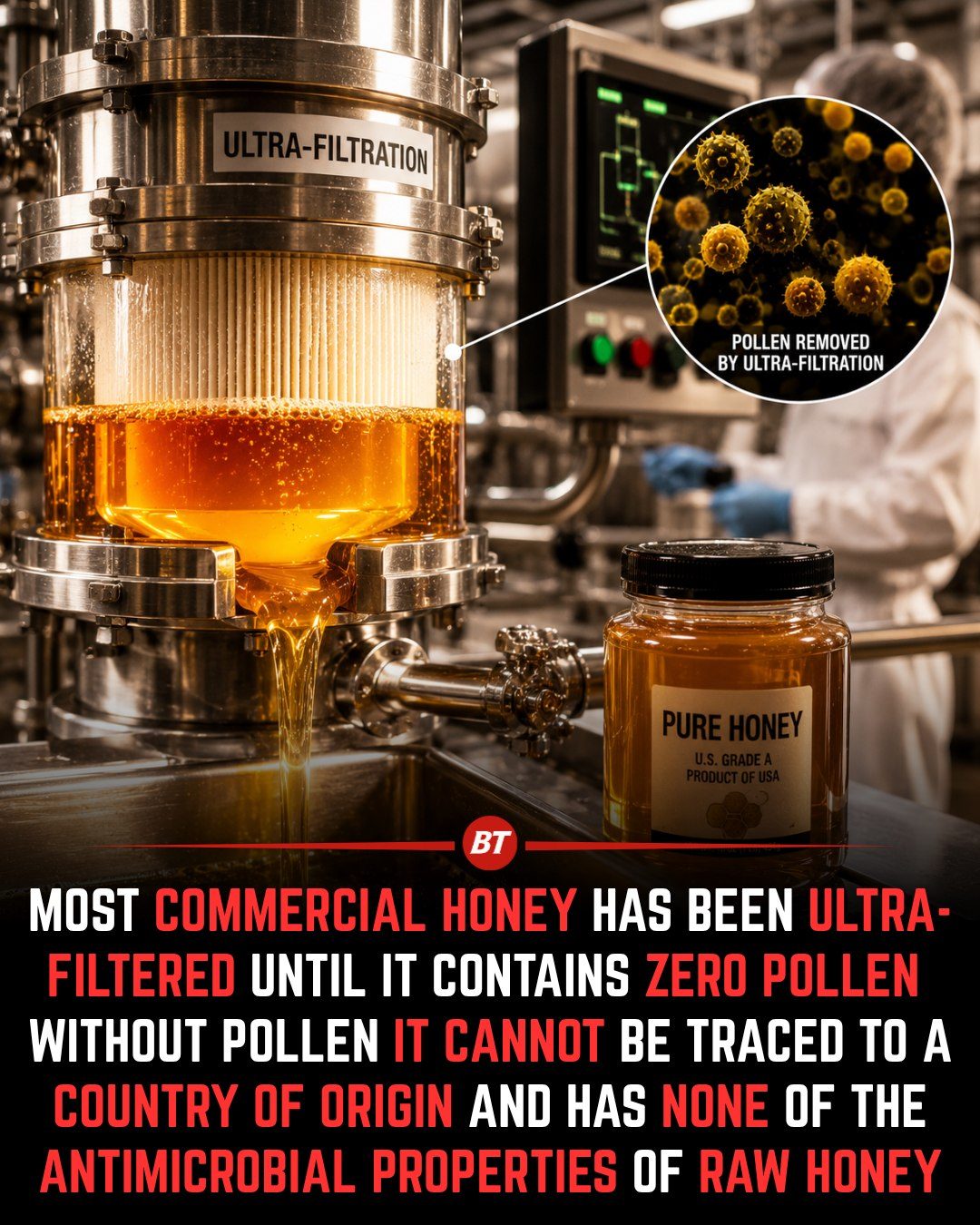
Honey Filtration Process
Raw honey is a natural product packed with beneficial compounds, but much of the honey found on supermarket shelves has undergone extensive filtration. This process, known as ultra-filtration, removes valuable natural components, particularly pollen. Understanding the filtration process and its impact on honey's properties is crucial for consumers who value the natural benefits of raw honey.
Why This Matters
The filtration process significantly affects the quality and characteristics of honey. Ultra-filtration removes pollen, which is a natural fingerprint that allows scientists to trace the honey's origin and the types of flowers the bees visited. This traceability is essential for ensuring authenticity and quality. Additionally, the removal of pollen and other microscopic particles can diminish the antimicrobial properties of honey, which are crucial for its health benefits.
Main Discussion
The Filtration Process
Ultra-filtration involves passing honey through a series of fine filters under high pressure. This process removes nearly all pollen and other microscopic particles, resulting in a crystal-clear product. While this might seem desirable for aesthetic reasons, it significantly alters the honey's natural composition.
Effects on Honey's Properties
Pollen is not just a minor component of honey; it plays a vital role in determining the honey's origin. The presence of pollen allows scientists to identify the types of flowers the bees visited and the geographic region where the honey was produced. This traceability is crucial for ensuring the authenticity and quality of honey. Ultra-filtered honey, lacking pollen, cannot be traced back to its source, making it difficult to verify its botanical or geographic origin.
Moreover, pollen and other natural components in raw honey contribute to its antimicrobial properties. These properties are essential for honey's health benefits, such as aiding in wound healing and fighting infections. The enzymes in raw honey, like glucose oxidase, produce small amounts of hydrogen peroxide when the honey comes into contact with moisture. This, combined with honey's naturally acidic pH and high sugar concentration, contributes to its well-documented antimicrobial activity.
Impact on Honey's Antimicrobial Properties
Heating and excessive processing can reduce the activity of beneficial enzymes in honey. While the exact effect depends on the processing method, ultra-filtration can diminish the antimicrobial properties of honey. This makes it less effective in its natural roles, such as wound healing and boosting the immune system.
Benefits of Raw Honey
Raw, minimally processed honey retains more of its naturally occurring bioactive compounds. These compounds include enzymes, antioxidants, amino acids, and beneficial plant compounds collected by bees from flowering plants. Consuming raw honey can provide these natural benefits, making it a valuable addition to a healthy diet.
Practical Tips
Choosing Better Honey
When selecting honey, look for labels that indicate it is "raw," "unfiltered," or "minimally processed." These terms suggest that the honey has undergone less processing and retains more of its natural benefits. Purchasing from trusted local beekeepers can also ensure that the honey is of high quality and has undergone minimal processing.
Storage and Use
Raw honey may naturally crystallize over time. This is a sign of minimal processing and does not indicate spoilage. To maintain the quality of raw honey, store it in a cool, dry place and avoid exposure to direct sunlight or high temperatures.
Incorporating Honey into Your Diet
Honey can be a versatile addition to your diet. It can be used as a natural sweetener in beverages, added to oatmeal or yogurt, or used in recipes as a healthier alternative to refined sugar.
Important Takeaways
- Ultra-filtration removes pollen and other microscopic particles from honey, making it difficult to trace its origin and diminishing its antimicrobial properties.
- Raw, minimally processed honey retains more of its natural bioactive compounds, offering health benefits such as antimicrobial activity.
- Consumers should look for labels indicating raw, unfiltered, or minimally processed honey and consider purchasing from trusted local beekeepers.
Conclusion
The honey filtration process, particularly ultra-filtration, has a profound impact on the quality and properties of honey. By understanding this process and its effects, consumers can make informed choices about the honey they purchase. Opting for raw, minimally processed honey ensures that you receive the natural benefits associated with this golden liquid.
Watch the Reel
Questions readers ask
What is ultra-filtration and why is it used in honey processing?
Ultra-filtration is a process used to remove impurities and pollen from raw honey. It is used to achieve a clear, uniform appearance and to extend the shelf life of the product. Additionally, the process helps to prevent crystallization, which can occur naturally in raw honey.
How does ultra-filtration affect the natural benefits of honey?
Ultra-filtration strips away beneficial natural components, including pollen and enzymes. These components contribute to raw honey's health advantages and antimicrobial properties. As a result, ultra-filtered honey may have diminished natural benefits compared to raw honey.
Why is pollen important in honey?
Pollen in honey acts as a natural fingerprint, allowing scientists to trace the honey's origin and the types of flowers the bees visited. This traceability is crucial for ensuring the authenticity and quality of the honey, helping consumers understand its true source. Additionally, pollen is beneficial for allergies.
What are the differences between raw honey and ultra-filtered honey?
Raw honey retains all its natural components, including pollen, enzymes, and antioxidants, offering a range of potential health advantages. In contrast, ultra-filtered honey has been stripped of these components, often resulting in a clearer appearance but potentially fewer natural benefits and a less robust flavor.
Can ultra-filtered honey still provide health benefits?
While ultra-filtered honey may still offer some health benefits due to its natural antioxidants and antimicrobial properties, it is likely to have reduced benefits compared to raw honey. These components are often diminished or removed during the filtration process.
How can consumers identify if honey has been ultra-filtered?
Consumers can identify ultra-filtered honey by looking for labels that indicate it has been processed or filtered. Additionally, ultra-filtered honey tends to have a clearer, more uniform appearance compared to the thicker, more granular texture of raw honey. Checking for pollen grains under a microscope is a definitive test, but not practical for most consumers.
Does the filtration process affect the taste of honey?
Yes, the filtration process can significantly impact the taste of honey. Raw honey often has a rich, complex flavor profile due to the presence of natural enzymes, pollen, and other beneficial compounds. In contrast, ultra-filtered honey may have a milder, less distinct taste, as many of these flavor-contributing components have been removed.
Recent articles
Fresh deep dives from the latest Reels we unpacked.




Comments
Be the first to comment.