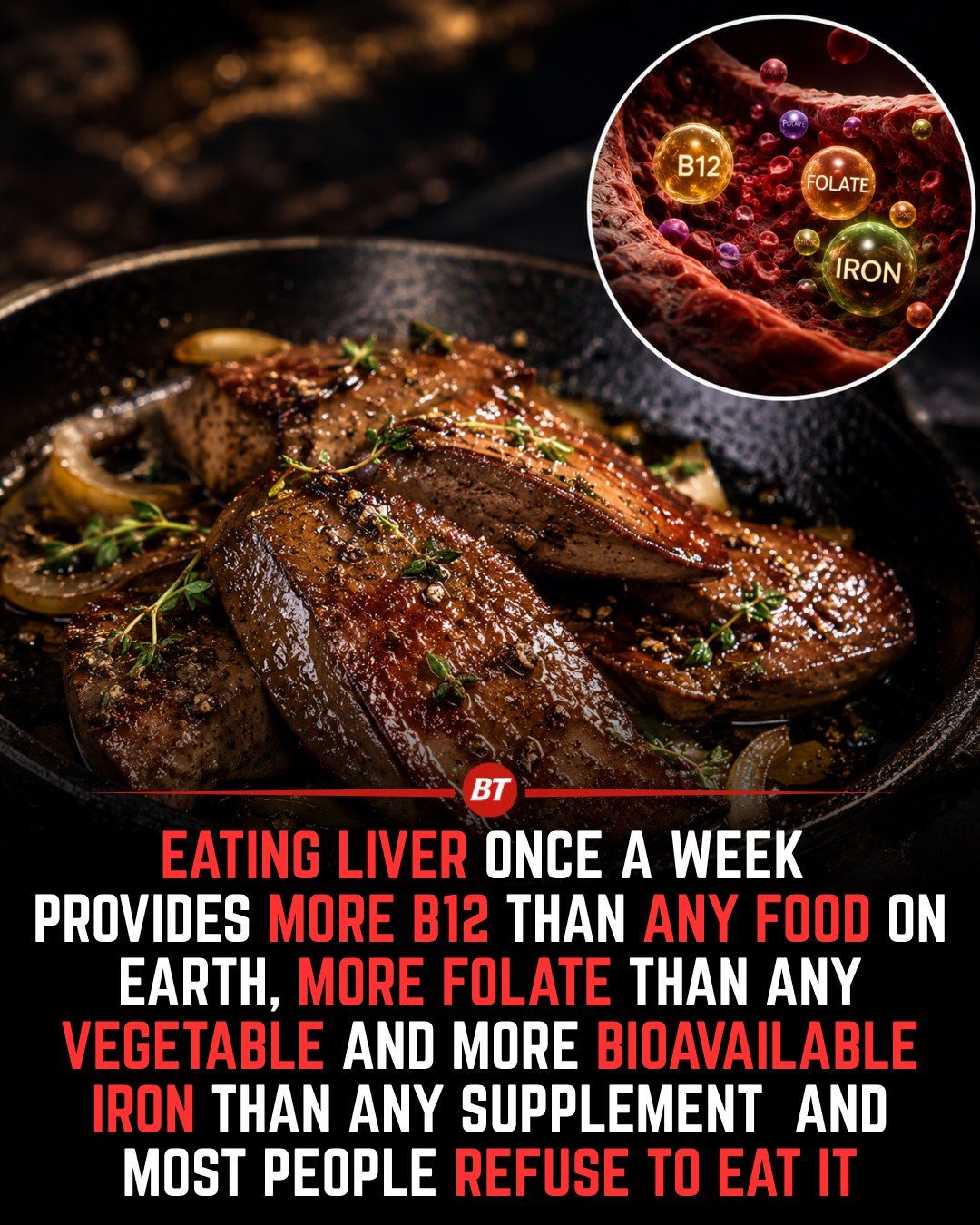
Liver: The Forgotten Superfood
Liver is one of the most nutrient-dense foods available, yet it remains one of the most avoided in the modern diet. For centuries, liver was prized for its extraordinary concentration of essential vitamins and minerals, but in today's culinary landscape, it often falls out of favor. This article delves into why liver is a nutritional powerhouse and addresses the common reasons many people avoid it.
Why This Matters
Many foods can be classified as nutrient-dense, but few compare to the sheer volume and variety of vitamins and minerals found in liver. While it might be off the menu for many, understanding its benefits can provide a significant boost to overall health.
A Nutritional Powerhouse
Vitamin B12
One of the most notable benefits of liver is its exceptionally high content of vitamin B12. Liver is one of the richest natural sources of this vital nutrient, which is essential for energy production, red blood cell formation, nerve function, and brain health. Individuals who are deficient in B12 may experience fatigue, cognitive issues, and anemia.
Folate and beyond
Liver is not just about B12. It is also packed with folate, another critical vitamin for cellular growth and DNA synthesis. Folate is particularly important for pregnant women, as it helps prevent congenital disabilities. Beyond B12 and folate, liver is rich in vitamin A, copper, and choline, all of which play crucial roles in various bodily functions. It also contains large amounts of highly bioavailable heme iron, which is better absorbed by the body than non-heme iron found in plant sources.
Detailed below are some of liver's key nutrients and their benefits:
- Vitamin B12: Essential for energy production, red blood cell formation, nerve function, and brain health.
- Folate: Crucial for cellular growth and DNA synthesis, particularly important during pregnancy.
- Vitamin A: Supports vision, immune function, and reproductive health.
- Iron: Vital for oxygen transport in the blood and the prevention of anemia. Liver provides a form of iron (heme iron) that the body can absorb more easily.
- Copper and Choline: These minerals and vitamins are essential for various enzymes, processes, and overall neurological health.
Iron Availability
One of the most compelling reasons to consume liver is its high bioavailable iron content. Unlike plant sources of iron, which often require specific food combinations for optimal absorption, the iron in liver is in the form of heme iron. This means it can be efficiently absorbed and utilized by the body.
Addressing Common Concerns
Despite its nutritional benefits, many people avoid liver—often due to its strong flavor or texture. Liver is a nutrient storage organ, which means it accumulates the nutrients that the animals consume. This concentration of nutrients contributes to its robust flavor. However, this doesn't mean it has to be an acquired taste. Here are some ways to incorporate liver into your diet.
Start Small
If you're new to liver, consider starting with chicken or calf liver, which tend to have a milder flavor. You can gradually introduce larger portions as you get accustomed to the taste. Mixing liver with other meats, such as ground beef or mushrooms, can also soften its flavor and texture. These combinations can increase the nutritional density of meals without dramatically altering the taste.
Creative Cooking
- Pâtés and Meatballs: Mixing a small amount of liver into pâtés or meatballs can boost nutrition without significantly changing the dish’s flavor.
- Liver and Mushrooms: Cooking liver with mushrooms can enhance the flavor and provide additional nutrients.
Practical Tips for Incorporating Liver into Your Diet
Here are some practical tips to help you incorporate liver into your diet more easily:
- Cooking Methods: Try different cooking methods, such as sautéing, grilling, or stewing. Each method can significantly alter the liver's flavor and texture.
- Seasoning and Herbs: Experiment with various herbs, spices, and sauces to enhance the natural flavor of liver. Rosemary, thyme, and garlic are popular choices.
- Pairings: Pair liver with other nutrient-dense foods, such as leafy greens, which can complement its strong flavor and provide additional health benefits.
Recipe Inspiration
- Liver and Onions: A classic combination where the sweetness of caramelized onions balances the liver's strong flavor.
- Liver with Mushrooms: sautéed liver with mushrooms and herbs like thyme and parsley for a nutritious and flavorful dish.
Important Takeaways
- Nutrient Density: Liver is packed with essential vitamins and minerals, making it one of the most nutrient-dense foods available.
- Vitamin B12: A single serving of liver provides more B12 than any other food.
- Iron Absorption: The heme iron in liver is more readily absorbed by the body compared to the iron found in plants.
- Versatility: Liver can be incorporated into various dishes, making it easy to boost your nutrient intake without drastic changes to your taste buds.
Conclusion
Liver's rich nutritional profile makes it a valuable addition to any diet. Despite its strong flavor and texture, there are many ways to incorporate it into meals without compromising on taste. By understanding the benefits and experimenting with different cooking methods and pairings, you can unlock the nutritional power of this often-avoided food.
Watch the Reel
Questions readers ask
Why is liver considered a superfood?
Liver is considered a superfood due to its exceptional concentration of essential vitamins and minerals. It is packed with nutrients like vitamins B12 and A, folate, copper, and choline, making it one of the most nutrient-dense foods available.
What makes liver an excellent source of iron?
Liver is an excellent source of heme iron, which is the most readily absorbed form of iron. This makes it particularly beneficial for individuals with iron deficiency or those who struggle to absorb iron from other sources.
How does vitamin B12 in liver benefit the body?
Vitamin B12 in liver plays a crucial role in maintaining healthy nerve and blood cells, as well as supporting the production of DNA. It is particularly important for preventing anemia and supporting cognitive function.
What are the benefits of choline found in liver?
Choline in liver is vital for various bodily functions, including liver function, brain development, nerve function, and muscle movement. It also aids in the absorption of fat and the reduction of chronic inflammation.
Why is folate in liver important?
Folate in liver is essential for DNA synthesis and repair, as well as the production of red blood cells. It is particularly important for pregnant women, as it helps prevent neural tube defects in the developing fetus.
How can incorporating liver into the diet benefit overall health?
Incorporating liver into the diet can significantly boost overall health due to its high concentration of essential vitamins and minerals. It supports various bodily functions, including immune function, energy production, and cell growth.
Are there any specific populations that should consider adding liver to their diet?
Yes, certain populations can greatly benefit from adding liver to their diet, including those with anemia, pregnant women, vegetarians and vegans who may need to supplement B12, and individuals with chronic diseases or compromised immune systems.
Related deep dives
Similar reads based on topic and creator.




Recent articles
Fresh deep dives from the latest Reels we unpacked.




Comments
Be the first to comment.