Supplement Timing
Properly timing your supplement intake can enhance their effectiveness and minimize potential side effects. While individual health, diet, and medications all play a role in determining the best time to take supplements, there are some general guidelines that can help you get the most out of your supplements.
Why This Matters
Supplements are designed to support overall health and address specific nutritional deficiencies. Taking them at the right time can optimize their absorption and efficacy, ensuring that you reap the maximum benefits. Additionally, understanding the best times to take certain supplements can help you avoid potential interactions with medications or other supplements, which is crucial for maintaining overall health.
Main Discussion
Key Supplements and Their Ideal Timing
-
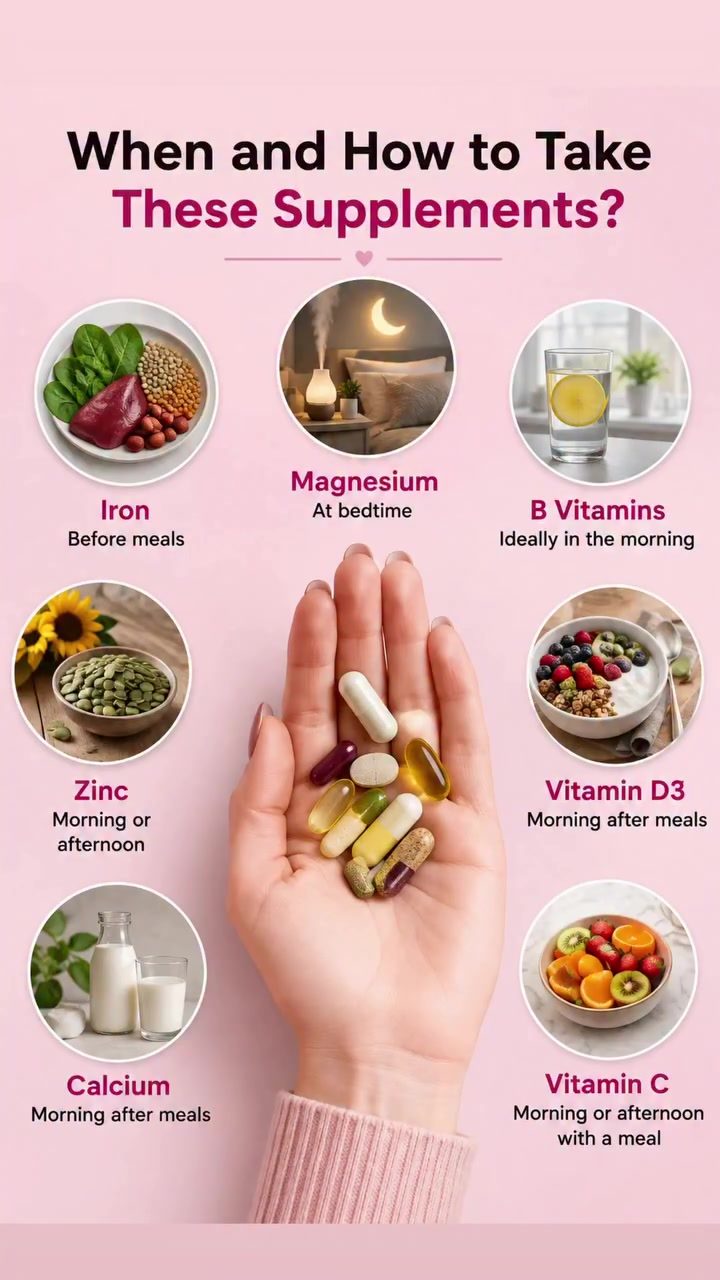
Iron Iron is essential for blood health and energy production. Taking iron before meals can help enhance its absorption. Alternatively, taking iron with a source of vitamin C, such as orange juice or a vitamin C supplement, can also improve absorption. However, consuming iron with foods can help prevent potential stomach upset.
-
Magnesium Magnesium is crucial for muscle and nerve function, and it supports a healthy immune system. Taking magnesium at bedtime can promote better sleep and relaxation. This makes it a great choice for those looking to improve their sleep quality and overall well-being.
-
B Vitamins B Vitamins are vital for energy production, brain function, and cell metabolism. Taking B Vitamins in the morning is ideal, as they can help provide a natural energy boost to start your day. This timing can be particularly beneficial for those who rely on B Vitamins to support energy levels and mental clarity.
-
Zinc Zinc supports immune function, wound healing, and overall health. Taking zinc in the morning or afternoon is recommended. Zinc can be taken with or without food, making it a versatile supplement to incorporate into your daily routine.
-
Vitamin D3 Vitamin D3 is essential for bone health, immune function, and mental well-being. Taking Vitamin D3 in the morning, after a meal containing healthy fats, can enhance its absorption. Healthy fats, such as those found in avocados, nuts, and olive oil, can significantly improve the absorption of this fat-soluble vitamin.
-
Calcium Calcium is necessary for bone health, muscle function, and nerve transmission. Taking calcium after meals can improve its absorption. Calcium should be taken with a source of vitamin D3, as vitamin D3 enhances calcium absorption and supports bone health.
-
Vitamin C Vitamin C is an antioxidant that supports immune function, collagen production, and overall health. Taking Vitamin C in the morning or afternoon with a meal can enhance its absorption and effectiveness. Consuming vitamin C with a meal can also help reduce the risk of stomach upset.
Practical Tips
General Guidelines
- Consistency is Key: Consistency in supplement timing can help your body get used to the routine, potentially improving absorption and effectiveness.
- Follow Healthcare Provider’s Advice: Always consult with a healthcare provider before starting any new supplement regimen, especially if you have any health conditions or are taking other medications.
- Monitor for Interactions: Be aware of potential interactions between supplements and medications. Some supplements can interfere with the effectiveness of medications or other supplements, so it’s important to be mindful of how and when you take them.
Supplement Stacking
- Combine Wisely: If you take multiple supplements, consider combining them in a way that maximizes absorption and minimizes interactions. For example, taking vitamin C with iron can enhance iron absorption, while taking vitamin D3 with calcium can improve calcium absorption.
- Spread Out Your Intake: If you take multiple supplements, spreading them out throughout the day can help prevent overwhelming your digestive system and enhance absorption. For example, you might take B Vitamins in the morning, vitamin D3 after breakfast, calcium after lunch, and magnesium at bedtime.
Dietary Considerations
- Balance Your Meals: Ensuring that meals are balanced and include a variety of nutrients can enhance the effectiveness of your supplements. Pairing supplements with meals can also help reduce the risk of stomach upset and improve absorption.
- Hydration: Staying hydrated is crucial for overall health and the proper functioning of supplements. Make sure to drink plenty of water throughout the day, especially if you are taking supplements that require adequate hydration for proper absorption.
Important Takeaways
The timing of supplement intake can significantly impact their effectiveness and absorption. By understanding the best times to take common supplements and following general guidelines, you can optimize your supplement regimen and potentially enhance your overall health.
Personalized Approach
- Individual Needs: Remember that everyone’s body responds differently to supplements, so it’s important to approach supplement timing with a personalized mindset. Consider your health, diet, and medications when deciding the best times to take your supplements.
- Experimentation: Don’t be afraid to experiment with different timings to see what works best for you. Keeping a journal of your supplement intake and how you feel can help you identify the optimal times for your specific needs.
Conclusion
Taking supplements at the right time can enhance their effectiveness and minimize potential side effects. By following general guidelines and considering your individual health, diet, and medications, you can optimize your supplement regimen and support your overall health. Always consult with a healthcare provider before making any changes to your supplement routine, and be mindful of potential interactions between supplements and medications. With a little planning and attention to detail, you can ensure that your supplements are working their best for you.
Watch the Reel
Questions readers ask
What is the best time to take iron supplements?
Iron supplements are best taken before meals or with vitamin C. This is because vitamin C enhances iron absorption, while food can inhibit it. Taking iron on an empty stomach or with a vitamin C-rich food can help maximize its benefits.
Why should I take magnesium at bedtime?
Taking magnesium at bedtime can promote muscle relaxation and better sleep. It is also less likely to cause digestive discomfort when taken before sleep, as opposed to taking it on an empty stomach in the morning. Additionally, magnesium can help regulate sleep cycles, making it an excellent supplement to take before bed.
When is the ideal time to take B vitamins?
B vitamins are best taken in the morning. They play a crucial role in energy production and metabolism, so taking them in the morning can support your energy levels throughout the day. Additionally, B vitamins can be more effective when taken on an empty stomach, which makes morning before breakfast an optimal choice.
Can I take zinc supplements in the afternoon?
Yes, zinc supplements can be taken in the afternoon. They are typically best absorbed on an empty stomach, so an afternoon dose can be beneficial if you prefer to take them away from your meals.
Should I take calcium supplements with meals?
Yes, calcium supplements should be taken with meals. Food, particularly high-protein and high-fat foods, enhances calcium absorption. Additionally, taking calcium with meals can help minimize potential side effects like stomach upset.
What should I consider when taking supplements with medications?
When taking supplements with medications, consider potential interactions. Some supplements can interfere with the absorption of medications or vice versa. Always consult with a healthcare provider before starting a new supplement regimen, especially if you are taking prescription medications. Avoid taking any supplements within 2 hours of your medications to minimize interactions.
Is it beneficial to take vitamins in the afternoon?
Taking vitamins in the afternoon can be beneficial, particularly for certain types of vitamins like zinc. However, for vitamins like B vitamins that support energy levels, taking them in the morning is generally more beneficial. Always consider the specific vitamin and its functions when deciding on the best time to take it.
Recent articles
Fresh deep dives from the latest Reels we unpacked.




Comments
Be the first to comment.