Choosing the Right Water Bottle for Everyday Use
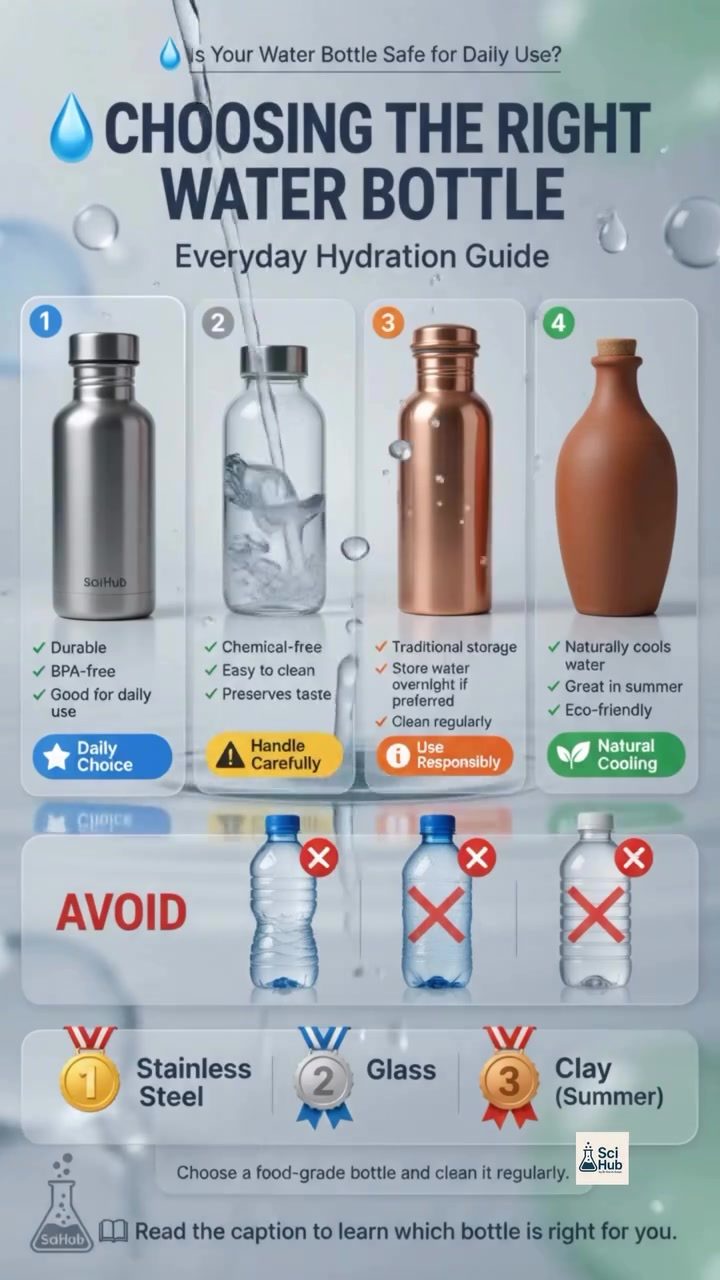
Water bottles are essential for staying hydrated, but not all bottles are created equal. The material, durability, and maintenance requirements all play crucial roles in selecting the right water bottle for daily use. This guide highlights the key factors to consider when choosing a water bottle, focusing on stainless steel, glass, and clay options, emphasizing the importance of food-grade materials and regular cleaning.
Why This Matters
Staying hydrated is crucial for overall health, and the water bottle you choose can significantly impact your hydration habits. A well-chosen water bottle can encourage regular water intake, while a poorly chosen one might lead to inconvenience or even health risks. Understanding the pros and cons of different bottle materials helps in making an informed decision that supports a healthy lifestyle.
Types of Water Bottles
Stainless Steel Bottles
Stainless steel bottles are a popular choice for many reasons. They are highly durable, long-lasting, and typically made from 304 or 316-grade stainless steel, which is BPA-free. This material does not affect the taste of water, making it an excellent choice for everyday use.
Pros of Stainless Steel Bottles
- Durability: Stainless steel is resistant to dents and scratches, ensuring the bottle lasts a long time.
- BPA-Free: High-grade stainless steel is free from harmful chemicals, making it safe for daily use.
- Taste Preservation: Unlike plastic, stainless steel does not absorb odors or flavors, keeping the water's natural taste.
Cons of Stainless Steel Bottles
- Weight: Stainless steel bottles can be heavier than other materials, which might be a consideration for those who prefer lighter options.
- Cost: High-quality stainless steel bottles can be more expensive than other types, but the investment often pays off in durability and longevity.
Glass Bottles
Glass bottles offer a unique set of benefits, particularly for those who prioritize chemical-free hydration. They are an excellent choice for preserving the natural taste of water and are easy to clean.
Pros of Glass Bottles
- Chemical-Free: Glass is completely free from chemicals, providing a pure, untainted water experience.
- Easy to Clean: Glass bottles are straightforward to clean and maintain, reducing the risk of bacterial buildup.
- Taste Preservation: Glass does not affect the taste of water, ensuring every sip is fresh and pure.
Cons of Glass Bottles
- Fragility: Glass bottles are susceptible to breaking, making them less suitable for active lifestyles or outdoor activities.
- Weight: Similar to stainless steel, glass can be heavier, which might be a drawback for those who need a lightweight option.
Clay Bottles
Clay bottles, often used traditionally, are known for their natural cooling properties and eco-friendly nature. They are particularly beneficial in hot weather and are excellent for preserving the natural taste of water.
Pros of Clay Bottles
- Natural Cooling: Clay bottles naturally cool water through evaporation, making them ideal for hot climates.
- Eco-Friendly: Clay is an environmentally friendly material, reducing the environmental impact.
- Taste Preservation: Like glass and stainless steel, clay does not affect the taste of water.
Cons of Clay Bottles
- Maintenance: Clay bottles require regular cleaning to prevent tarnishing and ensure longevity.
- Fragility: Similar to glass, clay bottles can break if not handled carefully.
- Storage Limitations: Clay is not suitable for storing acidic beverages and is generally used for shorter periods, usually overnight.
Copper Bottles
Copper bottles are traditionally used for storing water and have unique benefits, but they also come with specific considerations.
Pros of Copper Bottles
- Traditional Use: Copper has been used for centuries for storing water, offering a traditional approach to hydration.
- Storage: Suitable for storing water for limited periods, often overnight.
- Cleaning: Regular cleaning helps prevent tarnishing and ensures the bottle remains in good condition.
Cons of Copper Bottles
- Acidic Beverages: Avoid storing acidic beverages in copper bottles as it can react with the material.
- Health Claims: While copper has been traditionally used for its health benefits, relying on copper bottles for health treatments is not recommended.
Practical Tips for Choosing and Maintaining a Water Bottle
Material Considerations
- Avoid Single-Use Plastics: Opt for reusable bottles made from high-quality, non-toxic materials.
- Check for Food-Grade: Ensure the bottle is food-grade to guarantee safety for daily use.
- Consider Durability: Choose a bottle that can withstand daily use and potential drops or bumps.
Cleaning and Maintenance
- Regular Cleaning: Clean your water bottle regularly to prevent bacterial buildup and maintain hygiene.
- Avoid Scratches and Cracks: Inspect your bottle for any signs of wear and tear, and replace it if necessary.
- Proper Storage: Store your bottle in a clean, dry place to extend its lifespan.
Important Takeaways
Material Matters
The material of your water bottle significantly impacts its performance and safety. Opt for durable, non-toxic materials like stainless steel, glass, and clay, and avoid single-use plastics.
Hygiene and Cleanliness
Regular cleaning and proper maintenance are essential for ensuring the safety of your water bottle. Choose a bottle that is easy to clean and maintain to promote good hydration habits.
Durability and Longevity
Invest in a water bottle that can withstand daily use and maintain its quality over time. Choose a bottle that is highly durable and can withstand the rigors of everyday use.
Conclusion
Choosing the right water bottle is crucial for maintaining good hydration habits and overall health. By considering the material, durability, and maintenance requirements, you can select a bottle that meets your needs and supports a healthy lifestyle. Whether you opt for stainless steel, glass, or clay, ensure it is food-grade, easy to clean, and suitable for your daily routine.
Watch the Reel
Questions readers ask
What are the key benefits of using a stainless steel water bottle?
Stainless steel water bottles are durable, resistant to corrosion, and can keep beverages cold or hot for extended periods. They are also lightweight and typically free from harmful materials like BPA. Additionally, stainless steel bottles are easy to clean and maintain, making them a popular choice for daily use.
How does a glass water bottle compare to other materials?
Glass water bottles are an excellent choice for those prioritizing purity in taste, as glass is free from harmful chemicals and doesn't retain odors. They are also easy to clean and maintain. However, they are more fragile than stainless steel or clay, so they require careful handling and may not be the best choice for outdoor activities or travel.
Why might someone choose a clay water bottle over other options?
Clay water bottles offer a natural, eco-friendly alternative. They can keep water cool due to the porous nature of clay, and they are free from any harmful chemicals. However, they are more prone to breakage and require regular cleaning to prevent bacterial growth. They are also heavier than other materials.
What should I look for in a safe water bottle?
A safe water bottle should be made from food-grade materials, such as stainless steel, glass, or clay. It should be free from harmful substances like BPA, lead, and phthalates. Additionally, consider bottles that are easy to clean and maintain to ensure longevity and safety.
How do I choose the best water bottle for my daily hydration needs?
When choosing a water bottle for daily use, consider your lifestyle and preferences. If you need a durable, insulated option, stainless steel might be best. For a chemical-free, easy-to-clean option, consider glass. If you prefer a natural, eco-friendly choice, a clay bottle could be ideal. Always ensure the bottle is made from safe, high-quality materials.
What are the maintenance requirements for different water bottle materials?
Stainless steel and glass water bottles are generally easy to clean with soap and water or in the dishwasher. They can be sanitized with baking soda or vinegar to remove any lingering odors or residue. Clay bottles, on the other hand, need to be cleaned gently and should be soaked in water overnight occasionally to maintain their porous nature and prevent cracks.
Can I use my water bottle for both cold and hot beverages?
Yes, but the suitability of a water bottle depends on the material. Stainless steel bottles are excellent for both hot and cold beverages as they are insulated and resistant to temperature changes. Glass can handle both, but may not be as effective at maintaining temperature. Clay bottles are generally better for room temperature or cool water as they can crack with sudden temperature changes.
Related deep dives
Similar reads based on topic and creator.

Recent articles
Fresh deep dives from the latest Reels we unpacked.




Comments
Be the first to comment.