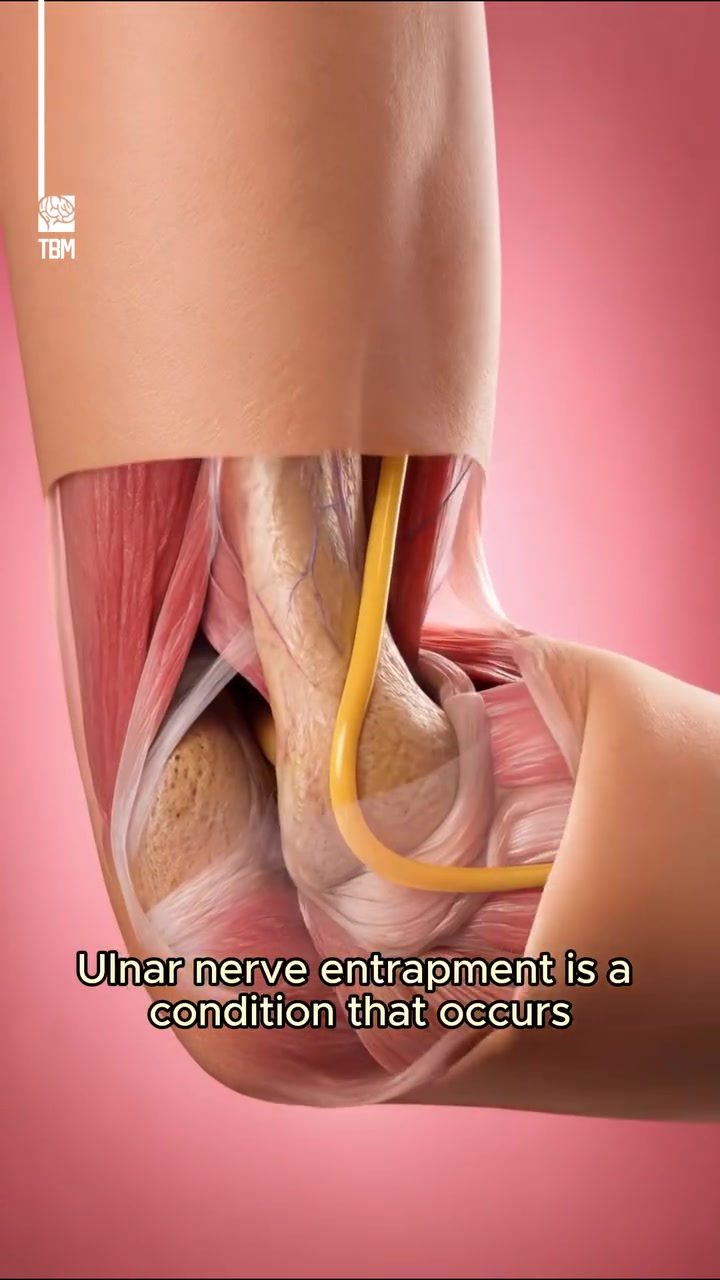
Ulnar Nerve Entrapment
Ulnar nerve entrapment is a condition that occurs when the ulnar nerve becomes compressed or irritated, most commonly at the elbow within the cubital tunnel or at the wrist in Guyon's canal. The ulnar nerve is a crucial part of the body's neural network, originating from the brachial plexus—a network of nerves arising from the spinal cord in the neck, specifically from the C8 and T1 nerve roots.
Why This Matters
The ulnar nerve plays a significant role in the body's sensory and motor functions. It travels down the inner side of the arm, passes behind the bony prominence of the elbow, known as the "funny bone," and continues into the forearm and hand. This nerve is responsible for controlling sensation in the little finger and half of the ring finger, as well as powering several muscles that are essential for fine finger movements and grip strength. Understanding ulnar nerve entrapment is important because it can significantly impact hand function and quality of life.
Anatomy and Function
The ulnar nerve is part of the brachial plexus, a complex network of nerves that originate from the spinal cord. It begins in the neck and extends down the arm. The nerve passes through the cubital tunnel at the elbow, a narrow passageway formed by bone, muscle, and ligaments. This area is particularly vulnerable to compression and irritation, which can lead to ulnar nerve entrapment.
Common Causes
There are several factors that can contribute to ulnar nerve entrapment:
- Elbow Trauma: Injuries to the elbow, such as fractures or dislocations, can damage the cubital tunnel and compress the ulnar nerve.
- Overuse: Repetitive motions, such as those involved in sports or certain occupations, can irritate the nerve over time.
- Bone Spur: A bone spur, or an abnormal bone growth, can form near the elbow and compress the nerve.
- Arthritis: Inflammation and swelling from arthritis can narrow the cubital tunnel and put pressure on the ulnar nerve.
- Physical Characteristics: Some individuals may have a shallower cubital tunnel or a prominent bone structure that predisposes them to nerve compression.
Symptoms
When the ulnar nerve becomes trapped, it can cause a range of symptoms, including:
- Numbness and Tingling: These sensations often affect the little finger and half of the ring finger.
- Weakness: The hand may feel weak, particularly when trying to grip or pinch objects.
- Reduced Hand Function: Fine motor skills, such as buttoning a shirt or holding a pen, can become difficult.
Diagnosing the Condition
Diagnosing ulnar nerve entrapment typically involves a combination of medical history, physical examination, and diagnostic tests. A healthcare provider may perform a series of tests to evaluate the nerve's function, including:
- Nerve Conduction Studies: These tests measure how quickly electrical signals travel through the nerve, helping to identify areas of compression or damage.
- Electromyography (EMG): This test assesses the electrical activity of muscles to determine if the nerve is functioning properly.
- Imaging Tests: X-rays, MRI, or ultrasound may be used to visualize the elbow and wrist, checking for bone spurs, tumors, or other abnormalities that could be compressing the nerve.
Treatment Options
Treatment for ulnar nerve entrapment can vary depending on the severity of the condition and the individual's symptoms. Common approaches include:
-
Conservative Treatments:
- Rest and Ice: Reducing activity and applying ice to the affected area can help reduce inflammation and pain.
- Bracing: A brace or splint can be worn to keep the elbow straight and minimize pressure on the nerve.
- Physical Therapy: Exercises can help strengthen the muscles and improve range of motion.
- Medications: Over-the-counter pain relievers or anti-inflammatory drugs can help manage pain and swelling.
-
Surgical Options: If conservative treatments are not effective, surgery may be recommended. Surgical procedures can involve:
- Cubital Tunnel Release: This surgery involves cutting the ligament that forms the roof of the cubital tunnel to relieve pressure on the nerve.
- Medial Epicondylectomy: This procedure involves removing a portion of the medial epicondyle, the bony prominence on the inside of the elbow, to create more space for the nerve.
- Nerve Transposition: In this surgery, the nerve is moved to a new position, usually in front of the elbow, to prevent further compression.
Practical Tips
If you suspect you have ulnar nerve entrapment, here are some practical tips to help manage your symptoms:
- Avoid Repetitive Movements: Reduce activities that involve repetitive bending or straightening of the elbow.
- Use Ergonomic Tools: If your job involves repetitive movements, consider using ergonomic tools and taking frequent breaks to rest your elbow.
- Stay Active: Maintain overall fitness and strength to support nerve health and reduce the risk of injury.
- Ice and Rest: Apply ice to the affected area and rest your arm to reduce swelling and pain.
Important Takeaways
Ulnar nerve entrapment is a condition that can significantly impact hand function and quality of life. Understanding the causes, symptoms, and treatment options can help individuals take proactive steps to manage the condition. Early diagnosis and appropriate treatment can prevent long-term complications and improve overall hand function.
Conclusion
Ulnar nerve entrapment is a condition that affects the ulnar nerve, which controls sensation and movement in the hand. It can be caused by various factors, including elbow trauma, overuse, and bone spurs. Recognizing the symptoms and seeking appropriate treatment can help manage the condition effectively. Whether through conservative measures or surgical interventions, addressing ulnar nerve entrapment promptly can improve hand function and overall well-being.
Watch the Reel
Questions readers ask
What are the common symptoms of ulnar nerve entrapment?
Symptoms of ulnar nerve entrapment include hand tingling, numbness in fingers, particularly the little finger and half of the ring finger, and elbow pain. You may also experience weakness in your grip and difficulty performing fine finger movements.
Where does ulnar nerve entrapment typically occur?
Ulnar nerve entrapment most often occurs at the elbow, within the cubital tunnel, or at the wrist, in an area known as Guyon's canal. These are the points where the ulnar nerve is most susceptible to compression or irritation.
What activities might increase the risk of ulnar nerve entrapment?
Prolonged or repetitive bending of the elbow, leaning on the elbow, or engaging in activities that involve a strong grip and repetitive hand movements, such as cycling or playing musical instruments, can increase the risk of ulnar nerve entrapment.
What are the causes of ulnar nerve entrapment?
Ulnar nerve entrapment is primarily caused by compression or irritation of the ulnar nerve, often due to swelling, inflammation, or direct pressure. Conditions like arthritis, previous injuries, or anatomical abnormalities can also contribute to nerve entrapment.
How is ulnar nerve entrapment typically treated?
Treatment for ulnar nerve entrapment often involves conservative measures such as rest, ice, compression, and elevation (RICE) to reduce swelling. Physical therapy exercises, pain medications, and wearing a splint or brace can also help. In severe cases, surgical intervention might be necessary.
What are the differences between ulnar nerve entrapment at the elbow and at the wrist?
Ulnar nerve entrapment at the elbow often causes more generalized pain and numbness in the hand, while compression at the wrist tends to affect specific fingers and may cause more localized pain. Symptoms at the wrist might include a loss of sensation in the palm and weblike skin beneath the little finger.
Related deep dives
Similar reads based on topic and creator.


Recent articles
Fresh deep dives from the latest Reels we unpacked.




Comments
Be the first to comment.