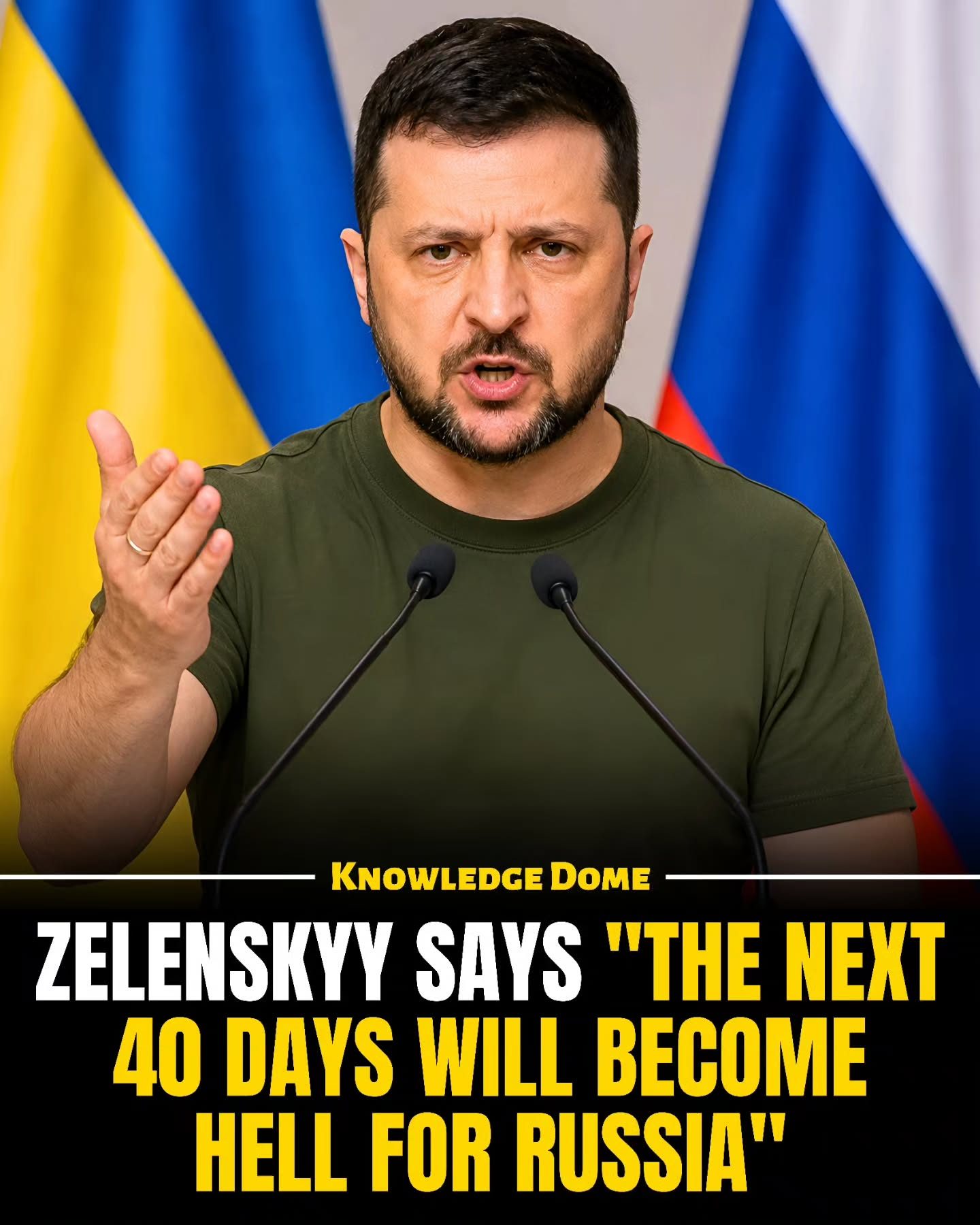
Ukraine's 40-Day Operation: A Strategic Pushback Against Russia
On June 25, 2026, Ukrainian President Volodymyr Zelenskyy announced a significant escalation in Ukraine's military strategy. The Security Service of Ukraine (SBU) approved a 40-day operation aimed at intensifying pressure on Russia and coercing it to end the ongoing conflict. This operation, as reported by Reuters, involves long-range and medium-range strikes targeting critical Russian infrastructure, with a particular focus on the oil sector.
Why This Matters
The geopolitical landscape of Eastern Europe has been significantly altered by the prolonged conflict between Ukraine and Russia. Ukraine's strategic decision to launch a sustained, high-impact operation highlights the evolving nature of warfare and the importance of targeting critical infrastructure to disrupt an adversary’s military capabilities. By focusing on the oil sector, Ukraine aims to undermine Russia’s ability to sustain its military operations, potentially leading to a shift in the balance of power.
Main Discussion
The Strategic Focus on the Oil Sector
The oil sector is a crucial component of Russia's military and economic infrastructure. By targeting fuel sites and oil refineries, Ukraine seeks to create fuel shortages and power outages, thereby disrupting Russia's military logistics and supply chains. This strategy has already shown some success, as recent attacks have caused power problems and fuel shortages in Russian-occupied territories, including Crimea.
Echoing the gravity of Ukraine's intentions, President Zelenskyy's statement, "the next 40 days will become hell for Russia," underscores the aggressive nature of the operation. The SBU's plan is designed to make the war increasingly difficult for Moscow by targeting the systems that sustain Russia's military operations. This includes not only fuel sites but also military support systems and key infrastructure across Russian territory and occupied areas.
Military and Economic Implications
The impact of these strikes goes beyond immediate military setbacks. The disruption of Russia's oil sector can have far-reaching economic consequences, affecting everything from domestic energy supplies to international trade. Fuel shortages can lead to civil unrest, further straining Russia's internal stability and forcing the Kremlin to divert resources from military efforts to civilian needs. This dual pressure—military and economic—is a strategic move by Ukraine to force Russia to consider ending the conflict.
The Escalation and Its Consequences
Attacks on Russian infrastructure have already led to emergency declarations in occupied regions, including Crimea. These declarations reflect the severity of the impact and the challenges Russia faces in maintaining control over these areas. The SBU's operation is not just about targeting Russian military capabilities but also about undermining Moscow's ability to govern and control occupied territories effectively. This strategy aims to create a domino effect, where the cumulative impact of these strikes forces Russia to reassess its military and political strategies.
Practical Tips for Understanding the Conflict
To gain a deeper understanding of the conflict and its implications, consider the following:
- Analyze the Geographic Impact: Mapping out the areas affected by the strikes can provide insights into Russia's strategic vulnerabilities and Ukraine's operational capabilities.
- Monitor Economic Indicators: Keep an eye on Russia's economic indicators, particularly those related to the oil sector. Fuel shortages and power outages can have a significant impact on economic stability.
- Follow International Reactions: The international community's response to this escalation can provide valuable context. Statements from key global players can influence the conflict's trajectory and provide insights into potential diplomatic solutions.
Important Takeaways
- Ukraine's Strategic Shift: Ukraine's 40-day operation marks a significant shift in its military strategy, focusing on long-range and medium-range strikes against critical Russian infrastructure, especially the oil sector. This strategy aims to disrupt Russia's military and economic capabilities, forcing it to reconsider its position in the conflict.
- Economic Impact: The targeting of the oil sector is designed to create fuel shortages and power problems, affecting both military operations and civilian life in Russia. This dual impact can strain Moscow's resources and potentially lead to civil unrest.
- Global Implications: The conflict's escalation has broader implications for global geopolitics. The international community's response and the potential for diplomatic solutions will be crucial in determining the conflict's outcome.
Conclusion
Ukraine's 40-day operation is a bold and strategic move aimed at exerting maximum pressure on Russia. By targeting critical infrastructure, particularly the oil sector, Ukraine seeks to undermine Russia's military capabilities and economic stability. This escalation underscores the evolving nature of modern warfare and the significance of strategic targeting in achieving military and political goals. As the conflict continues to unfold, the world will be watching closely to see how this operation impacts the broader geopolitical landscape.
Watch the Reel
Questions readers ask
What is the primary goal of Ukraine's 40-day military operation?
The primary goal of Ukraine's 40-day military operation is to intensify pressure on Russia by targeting and disrupting critical Russian infrastructure, particularly in the oil sector. This is intended to create fuel shortages and power outages, thereby weakening Russia's military capabilities and potentially influencing the conflict's outcome.
Why did President Zelenskyy announce the 40-day operation?
The president announced the 40-day operation to escalate Ukraine’s military strategy and apply more pressure on Russia to end the ongoing conflict. This announcement signifies a shift in Ukraine's approach to the war, aiming to disrupt Russia's logistics and military capabilities.
What specific targets are being focused on during this operation?
The operation primarily focuses on long-range and medium-range strikes targeting Russia’s critical infrastructure, especially within the oil sector. This strategy aims to cause significant disruptions in Russia’s fuel supply, leading to potential shortages and power outages that could hinder their military operations.
How might this operation impact the overall conflict between Ukraine and Russia?
By disrupting Russia's oil sector and causing fuel shortages, Ukraine aims to weaken Russia's military capabilities and logistics. This could potentially shift the balance of power in Ukraine's favor, forcing Russia to reconsider its tactics or even negotiate an end to the conflict.
What role does the Security Service of Ukraine (SBU) play in this operation?
The Security Service of Ukraine (SBU) has approved and is likely overseeing the 40-day operation, ensuring that the strategic strikes are carried out effectively. The SBU's involvement underscores the coordinated and deliberate nature of Ukraine's new military strategy.
What are the potential risks associated with this operation for Ukraine?
While the operation aims to pressure Russia, it also carries risks for Ukraine. These include potential retaliation from Russia, the possibility of escalating the conflict further, and the need for Ukraine to sustain its own military capabilities and logistics during the 40-day period.
Recent articles
Fresh deep dives from the latest Reels we unpacked.




Comments
Be the first to comment.