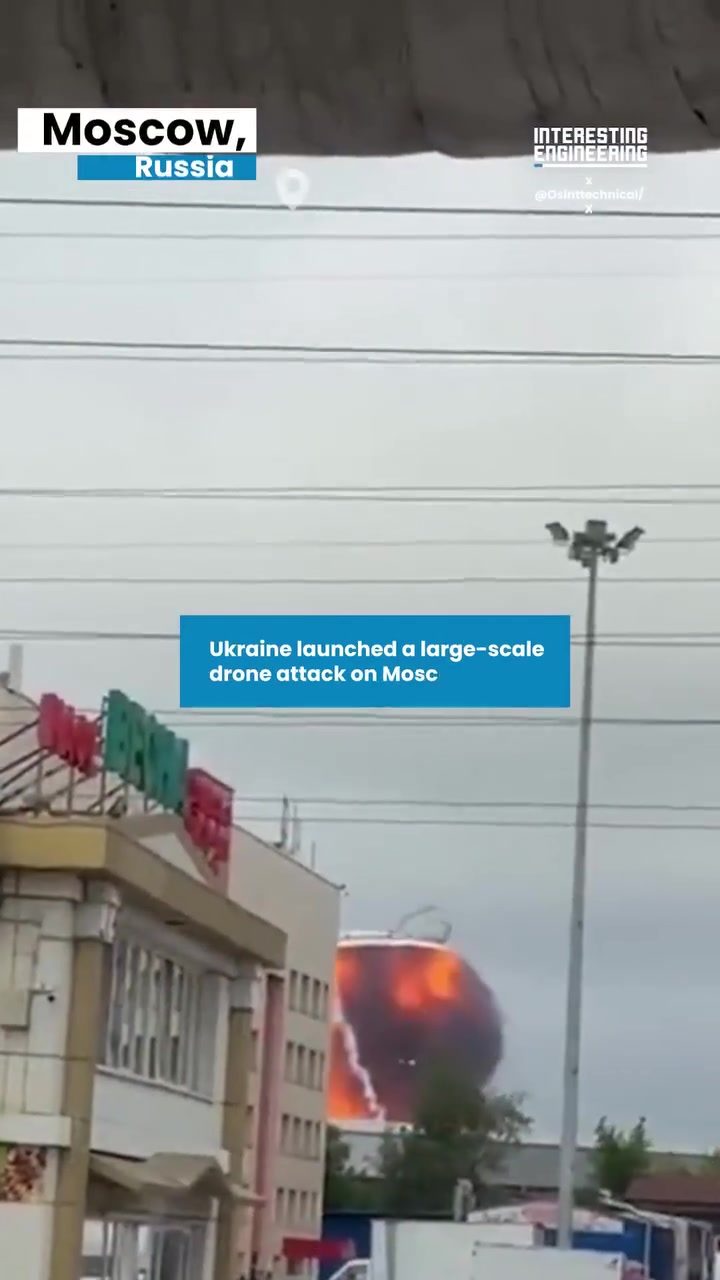
Ukraine-Russia Conflict: Strategic Targets and Escalating Tensions
The recent drone attack on a major oil refinery near Moscow has highlighted the escalating tensions between Ukraine and Russia. This strategic target, which supplies roughly a third of the capital's fuel, has become a focal point in the ongoing conflict. The attack has not only caused significant damage but also raised questions about the security of critical infrastructure and the potential for further escalation.
Context / Why this matters
The oil refinery near Moscow is a critical piece of infrastructure for the Russian capital. As a major fuel supplier, it plays a pivotal role in the region's energy security. The attack underscores the vulnerability of such strategic targets in times of conflict. Moreover, the escalating tensions between Ukraine and Russia have wider implications for global energy markets and geopolitical stability.
The Strategic Importance of Oil Refineries
Oil refineries are crucial for any nation's energy security. They convert crude oil into usable fuels like gasoline, diesel, and jet fuel. The refinery near Moscow is no exception; it supplies a significant portion of the capital's fuel needs. The disruption caused by the drone attack has far-reaching effects, affecting not only the local economy but also the broader energy landscape.
The Role of Drones in Modern Warfare
Drones have become increasingly important in modern warfare due to their precision and ability to strike targets with minimal risk to human life. The use of drones by Ukraine in this attack demonstrates their growing significance in military operations. The ability to launch such precise attacks from a distance makes drones a formidable weapon, especially when targeting strategic infrastructure.
Main discussion
The Attack and Its Aftermath
The drone attack on the oil refinery near Moscow was a well-coordinated operation. Ukrainian forces reportedly launched a series of drones, aiming to cause maximum disruption. Russian authorities claimed that hundreds of drones were intercepted, though several reached their targets. The resulting fire and widespread disruptions highlight the effectiveness of such attacks and the challenges faced by defenders in protecting critical infrastructure.
Russian Authorities' Response
Russian authorities quickly responded to the attack, claiming to have intercepted hundreds of drones. However, the fact that several drones reached their targets and ignited a major fire underscores the limitations of air defense systems. The incident has raised questions about the effectiveness of Russia's air defenses and the need for more robust measures to protect strategic targets.
Escalating Tensions and Strategic Infrastructure
The attack on the oil refinery is part of a broader pattern of intensified attacks on strategic infrastructure by both Ukraine and Russia. These attacks are aimed at weakening the enemy's capabilities and disrupting critical supply chains. The use of drones in such operations is becoming more common, reflecting the evolving nature of modern warfare.
The Strategic Infrastructure Under Threat
The oil refinery near Moscow is just one of many strategic targets that have come under attack. Both Ukraine and Russia have been targeting critical infrastructure, including power plants, bridges, and military bases. These attacks are designed to cripple the enemy's operations and undermine their ability to sustain the conflict.
The Impact on Energy Security
The disruption caused by the attack on the oil refinery highlights the broader impact on energy security. With a significant portion of Moscow's fuel supply at risk, the attack could lead to shortages and price hikes. This has implications not only for the local economy but also for global energy markets, as disruptions in one region can have ripple effects worldwide.
The Role of Drone Technology
Drones have emerged as a key component in modern warfare. Their ability to strike targets with precision and minimal risk to human life makes them an attractive option for military operations. The use of drones in the attack on the oil refinery underscores their growing significance in military strategy.
Advantages of Drones
Drones offer several advantages in military operations. They can be operated remotely, reducing the risk to human life. They can also carry out surveillance and reconnaissance missions, providing valuable intelligence. Moreover, drones can be equipped with various payloads, from cameras to explosives, making them versatile tools in modern warfare.
Challenges and Limitations
Despite their advantages, drones also face challenges and limitations. They can be intercepted or shot down, and their effectiveness depends on the sophistication of the defense systems in place. The incident in Moscow highlights the need for more robust measures to protect against drone attacks, including advanced radar and counter-drone systems.
Practical tips
Protecting Critical Infrastructure
In the face of escalating tensions and intensified attacks on strategic infrastructure, protecting critical targets becomes paramount. Here are some practical tips for enhancing the security of such infrastructure:
- Advanced Surveillance: Implement advanced surveillance systems, including drones and satellite monitoring, to detect and respond to potential threats quickly.
- Air Defense Systems: Enhance air defense capabilities through the deployment of advanced radar and counter-drone systems.
- Redundancy in Supply Chains: Build redundancy into supply chains to ensure that disruptions in one area do not cause widespread shortages.
- Public Awareness and Preparedness: Raise public awareness about the vulnerabilities and the importance of preparedness in case of disruptions.
Countering Drone Threats
Given the growing use of drones in military operations, it is essential to develop effective countermeasures. Here are some strategies to mitigate the threat posed by drones:
- Advanced Counter-Drone Technology: Invest in advanced counter-drone technology, such as jamming, spoofing, and kinetic interceptors.
- Integration with Existing Defense Systems: Integrate counter-drone systems with existing air defense networks for a more cohesive and effective response.
- Coordination and Collaboration: Foster coordination and collaboration between military and civilian authorities to share information and resources effectively.
- Public Awareness and Reporting: Encourage public awareness and reporting of suspicious drone activity to enhance early detection and response.
Important takeaways
- Critical Infrastructure Under Threat: The attack on the oil refinery underscores the vulnerability of critical infrastructure in times of conflict. Both Ukraine and Russia have been targeting strategic assets to disrupt enemy operations and supply chains.
- Escalating Tensions: The use of drones in military operations is becoming more common, reflecting the evolving nature of modern warfare.
- Energy Security Implications: Disruptions in critical infrastructure, such as oil refineries, have far-reaching implications for energy security and global markets.
- Need for Enhanced Protections: The incident highlights the need for more robust measures to protect against drone attacks, including advanced surveillance, air defense systems, and public awareness.
Conclusion
The drone attack on the oil refinery near Moscow serves as a stark reminder of the escalating tensions between Ukraine and Russia. The strategic importance of such targets and the evolving use of drone technology in warfare underscore the need for enhanced protections and preparedness. As the conflict continues, it is crucial to remain vigilant and adapt to the changing landscape of modern warfare.
Watch the Reel
Questions readers ask
What was the primary target of the recent drone attack in Moscow?
The primary target was a major oil refinery near Moscow, which is a key supplier of fuel for the Russian capital, providing roughly a third of its fuel needs. The attack caused significant damage and raised concerns about the security of critical infrastructure in Russia.
What does this attack signify in the context of the Ukraine-Russia conflict?
The attack on the Moscow oil refinery signifies a strategic escalation in the ongoing Ukraine-Russia conflict. It highlights the vulnerability of critical infrastructure and suggests that Ukraine may be targeting high-value assets to disrupt Russia's military and economic capabilities. This incident may lead to further escalations in the conflict.
How have drones been used in the Russia-Ukraine war?
Drones have been used extensively in the Russia-Ukraine war for both reconnaissance and offensive operations. They have been employed by both sides to gather intelligence, target military assets, and strike strategic infrastructure. The recent drone attack on the Moscow oil refinery is an example of how drones can be used to disrupt critical energy supplies.
What are the potential global implications of this attack?
The attack on the Moscow oil refinery could have significant global implications, particularly on energy markets. Russia is a major supplier of oil and gas, and any disruption in its domestic energy supply could potentially affect global energy prices and supply chains. Additionally, the escalation in tensions could lead to broader geopolitical repercussions.
What measures might Russia take in response to this attack?
Russia may implement enhanced security measures to protect its critical infrastructure, including oil refineries and other strategic targets. This could involve increased surveillance, deployment of more advanced air defense systems, and strengthened cybersecurity measures. Russia may also consider retaliatory actions against Ukraine or other perceived threats.
How has this attack affected Russia's military infrastructure?
The attack on the oil refinery near Moscow is a direct hit on Russia's energy infrastructure. Though not a direct military target, the refinery is a crucial component of Russia's military infrastructure as it provides fuel needed to power military operations. The disruption in fuel supply could have far-reaching effects on Russia’s war efforts, impacting logistical support and operational capabilities.
What evidence is there of the drone attack on the Moscow oil refinery?
There are multiple sources of evidence, including videos and images circulating on social media and other platforms, that show the aftermath of the drone attack. Russian authorities and media outlets have also reported on the incident, providing details about the fire and the damage caused. These sources collectively illustrate the extent of the impact on the refinery and the broader implications for Moscow's fuel supply.
Recent articles
Fresh deep dives from the latest Reels we unpacked.




Comments
Be the first to comment.