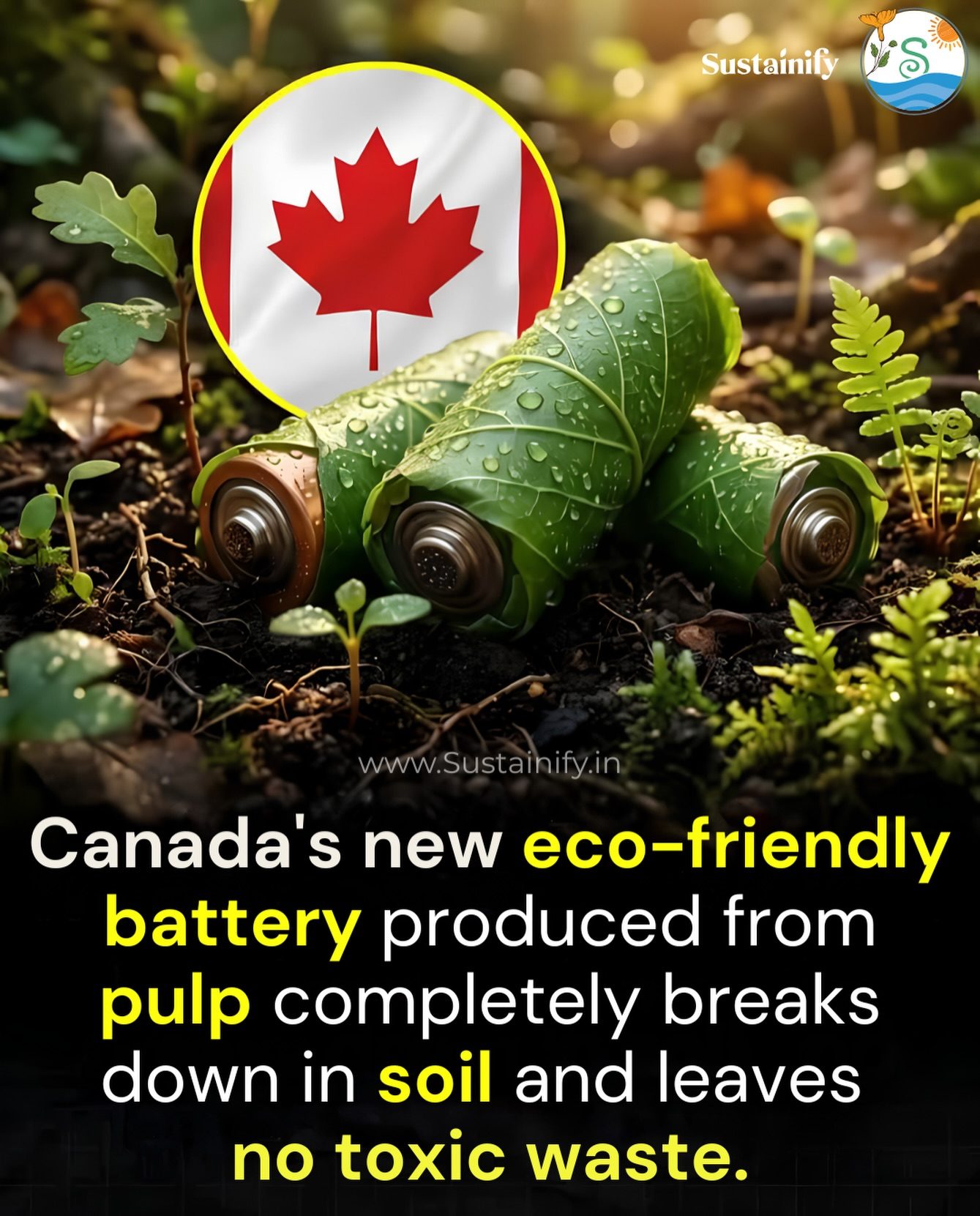
Eco-Friendly Batteries: The Biodegradable Revolution
Imagine a world where batteries don't add to the ever-growing mountain of e-waste. Instead, they decompose naturally, leaving no toxic residue behind. This isn't a distant dream; it's a reality thanks to innovative research at the University of British Columbia (UBC). Researchers have developed a biodegradable battery made from tree pulp and zinc, a product that can break down in soil in just 60 days.
Why This Matters
The environmental impact of traditional batteries is significant. They contribute to e-waste, which often ends up in landfills, releasing toxic chemicals into the environment. The decomposition of these batteries can take centuries, posing long-term risks to soil and water quality. However, the advent of biodegradable batteries presents a groundbreaking solution to this global issue.
The Science Behind the Biodegradable Battery
Researchers at UBC have harnessed the power of nature to create a sustainable alternative to traditional batteries. The core of this innovation lies in the materials used: tree pulp and zinc. Tree pulp, a byproduct of the paper industry, is both abundant and eco-friendly. When combined with zinc, it forms a battery that can power various devices while aligning with sustainable practices.
Materials and Functionality
The tree pulp serves as the structural component, providing stability and support. Zinc, a common element in batteries, acts as the active ingredient, facilitating the electrochemical reactions that generate power. The combination of these materials results in a battery that can maintain its functionality while decomposing naturally over a relatively short period.
Decomposition Process
One of the standout features of this biodegradable battery is its ability to decompose in soil within 60 days. This rapid breakdown is possible due to the biodegradable nature of the materials. The pulp disintegrates, leaving no trace of its original form, and the zinc integrates safely into the soil, eliminating toxic residues.
Practical Applications
With its unique composition and eco-friendly attributes, the biodegradable battery has a wide range of practical applications, particularly in industries where sustainability is a priority.
Sensors and Wearables
One of the most promising uses for these batteries is in the realm of sensors and wearable devices. These industries often require small, lightweight batteries that can be easily integrated into various devices. The biodegradable battery's compact size and sustainable nature make it ideal for this purpose. For example, smartwatches, fitness trackers, and other wearable technology could benefit from this eco-friendly power source.
Smart Packaging
Another area where biodegradable batteries could make a significant impact is in smart packaging. Traditional packaging materials often end up in landfills, contributing to environmental pollution. Smart packaging, which incorporates sensors and other electronic components, can be enhanced with biodegradable batteries, ensuring that the entire package, from the electronics to the exterior, is eco-friendly.
Remote Monitoring and Environmental Sensing
Remote monitoring systems, such as those used in forestry, agriculture, and environmental research, often rely on batteries to power sensors and transmitters. Traditional batteries can be difficult to replace in remote locations, leading to environmental concerns. Biodegradable batteries offer a sustainable solution, ensuring that these systems can operate without contributing to e-waste.
Practical Tips
Integrating biodegradable batteries into various applications requires a strategic approach. Here are some practical tips for organizations looking to adopt this technology:
Assess Your Needs
Determine the specific requirements of your application, whether it's a sensor, wearable device, or smart packaging. Understanding the power needs and environmental conditions will help you select the best battery configuration.
Partner with Experts
Collaborate with experts in the field, such as the researchers at UBC or companies specializing in sustainable technology. Their insights and experience can guide you through the integration process and ensure optimal performance.
Develop Prototypes
Before widespread implementation, develop prototypes to test the batteries in real-world scenarios. This will allow you to identify any potential issues and make necessary adjustments.
Communicate Benefits
Clearly communicate the environmental benefits of using biodegradable batteries to stakeholders, including customers, partners, and employees. Highlighting the sustainability aspects can enhance your brand's reputation and attract eco-conscious consumers.
Important Takeaways
The development of biodegradable batteries marks a significant step forward in sustainable technology. Here are the key takeaways to consider:
- Environmental Impact: Biodegradable batteries significantly reduce e-waste, making them a crucial part of a sustainable future.
- Versatility: These batteries can be used in a wide range of applications, from wearables to smart packaging and remote monitoring.
- Innovation: The use of tree pulp and zinc showcases the potential for innovative, eco-friendly materials in technology.
- Future Promise: As research continues, the efficiency and applications of biodegradable batteries are expected to expand, offering even more benefits.
Conclusion
Biodegradable batteries represent a groundbreaking advancement in sustainable technology. By harnessing the power of natural materials, researchers have created a solution that addresses the environmental concerns associated with traditional batteries. As we look to the future, the potential for these batteries to transform various industries is immense, paving the way for a cleaner, more sustainable world.
Watch the Reel
Questions readers ask
How does UBC's biodegradable battery work differently from traditional batteries?
UBC's biodegradable battery is composed of tree pulp and zinc, unlike traditional batteries which often use heavy metals like lead or lithium. This unique composition allows the battery to decompose in soil within 60 days, unlike traditional batteries that can take centuries to break down.
What makes UBC's biodegradable battery environmentally friendly?
The biodegradable battery is environmentally friendly due to its natural decomposition in soil with no toxic residue left behind, which helps reduce e-waste and prevents soil and water contamination. Additionally, it is made from sustainable materials and designed to decompose rapidly.
Can UBC's biodegradable battery be as effective as traditional batteries?
While the biodegradable battery is still a developing technology, UBC's research indicates that it can be effective in powering everyday devices. The technology is still being refined, but it shows promising results in terms of both power and sustainability.
How long does it take for UBC's biodegradable battery to decompose?
UBC's biodegradable battery is designed to decompose in soil within 60 days. This rapid decomposition is a significant advantage over traditional batteries, which can take centuries to break down, posing long-term environmental risks.
What materials are used in UBC's biodegradable battery?
The biodegradable battery created by UBC researchers is made from tree pulp and zinc. These materials are chosen for their biodegradability and sustainability, making them a greener alternative to the heavy metals and chemicals used in traditional batteries.
Why is the development of biodegradable batteries important?
The development of biodegradable batteries is crucial for reducing e-waste and minimizing the environmental impact of battery disposal. Traditional batteries contribute to landfill waste and can leak toxic chemicals, while biodegradable batteries offer a sustainable solution that can decompose naturally without harming the environment.
What are the benefits of using a biodegradable battery from UBC?
Using a biodegradable battery from UBC offers several benefits, including reduced environmental impact, sustainability, and zero-waste. These batteries can decompose in soil quickly, leaving no toxic residue, and are made from renewable and non-toxic materials.
Recent articles
Fresh deep dives from the latest Reels we unpacked.




Comments
Be the first to comment.