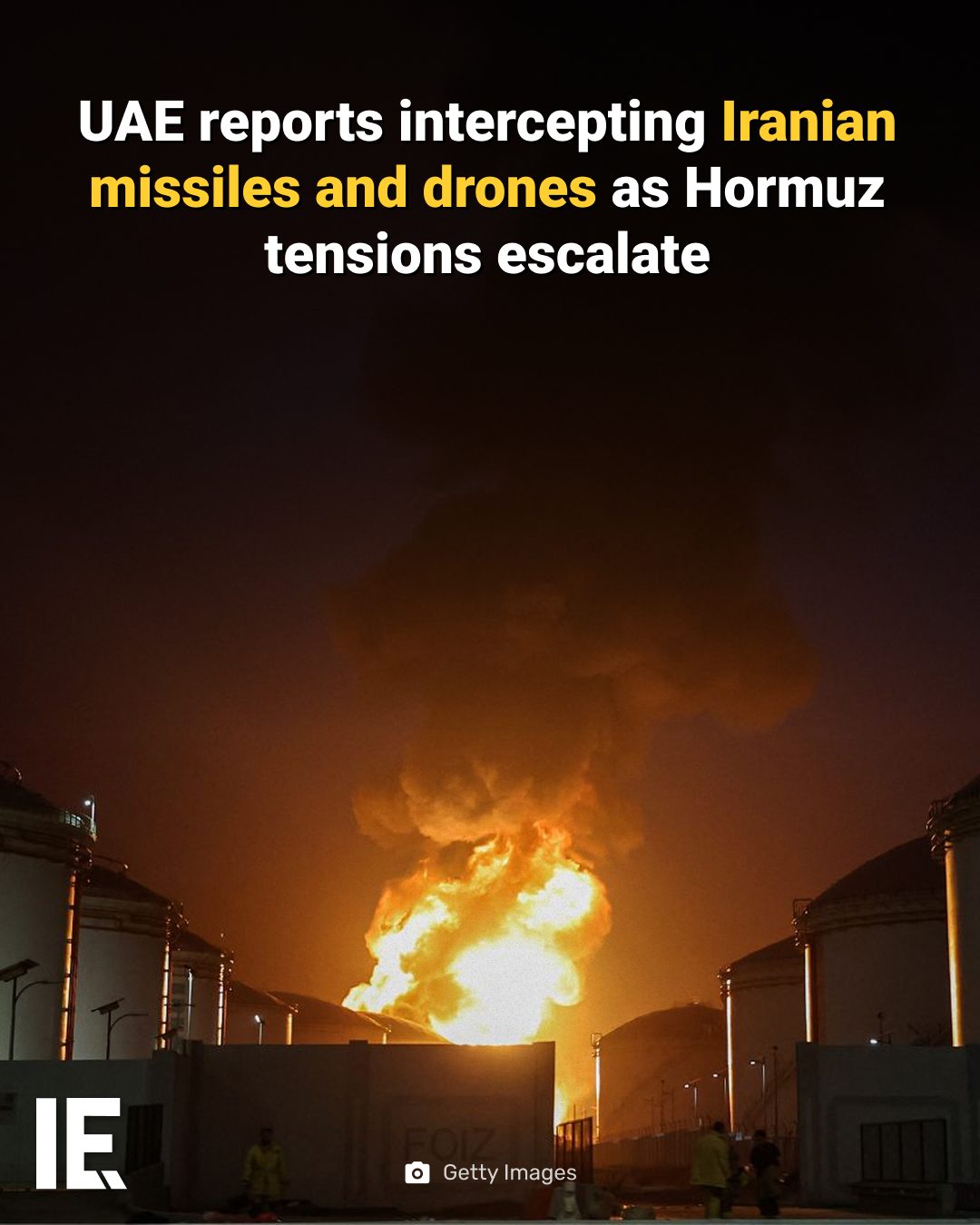
The UAE Intercepts Missiles and Drones Near Hormuz
Recent events have highlighted the escalating tensions in the Gulf region, particularly with the United Arab Emirates (UAE) intercepting Iranian missiles and drones near the strategic Hormuz Strait. This incident underscores the ongoing geopolitical complexities and the critical importance of the Strait of Hormuz as a global energy chokepoint.
Context / Why This Matters
The Strait of Hormuz, a narrow waterway connecting the Persian Gulf to the Arabian Sea, is one of the world's most important maritime routes. Approximately 20% of the world's oil supply, including 30% of liquefied natural gas (LNG), passes through this strait. The recent interception of missiles and drones by the UAE highlights the region's volatility and the potential impact on global energy markets.
Tensions between Iran and several Gulf countries, including the UAE, have been simmering for years, driven by a mix of political, economic, and religious differences. The interception of Iranian missiles and drones is the latest development in a series of confrontations that have included economic sanctions, cyber-attacks, and military exercises.
Main Discussion
The Incident
The UAE's interception of Iranian missiles and drones occurred near the Strait of Hormuz, a critical chokepoint for global oil and gas supplies. The incident involved a large explosion with smoke and fire, captured at night. The visual (and on-screen texts) included details of the escalating tensions in the region.
Regional Tensions
The Gulf region has long been a hotbed of geopolitical tensions. The recent incident is part of a broader pattern of escalating conflict between Iran and several Gulf countries, including Saudi Arabia, Bahrain, and the UAE. These tensions are fueled by a mix of political, economic, and religious differences, as well as competition for regional influence.
Global Implications
The Strait of Hormuz is a critical chokepoint for global energy supplies. Any disruption in the flow of oil and gas through this strait can have significant implications for global energy markets. The recent incident highlights the potential for further escalation in the region, which could lead to disruptions in energy supplies and increased volatility in global markets.
Iranian Perspective
Iran has long maintained that its military activities in the region are defensive in nature and aimed at deterring aggression from its neighbors. Iran has also accused the UAE and other Gulf countries of supporting terrorist groups and undermining regional stability. The interception of Iranian missiles and drones is likely to be viewed by Iran as an act of aggression and a violation of its sovereignty.
UAE's Response
The UAE has not officially commented on the interception of Iranian missiles and drones. However, the country is known to have advanced air defense capabilities, including the Israeli-developed David's Sling and Iron Dome systems, as well as the American-developed Patriot and THAAD systems. These systems are designed to intercept a variety of threats, including ballistic missiles, cruise missiles, and drones.
International Reactions
The international community has reacted cautiously to the recent incident, with many countries calling for restraint and dialogue. The United States, a key ally of the UAE, has expressed support for the country's right to defend itself against threats. However, the US has also called for de-escalation and a diplomatic resolution to the crisis. Other countries, including China and Russia, have called for dialogue and a peaceful resolution to the conflict.
Practical Tips
While the situation in the Gulf region is complex and multifaceted, there are several practical tips that can help individuals and businesses navigate the potential impacts of the ongoing tensions:
- Stay Informed: Keep up-to-date with the latest developments in the region and their potential impacts on global energy markets.
- Diversify Energy Sources: Consider diversifying energy sources to reduce dependence on any single supplier or region.
- Prepare for Disruptions: Develop contingency plans for potential disruptions in energy supplies and other critical infrastructure.
- Monitor Geopolitical Risks: Stay informed about geopolitical risks and their potential impacts on global markets and supply chains.
Energy Market Volatility
- Hedging: Use financial instruments such as futures and options to hedge against potential price volatility in energy markets.
- Risk Management: Develop a comprehensive risk management strategy that takes into account geopolitical risks and their potential impacts on energy supplies and prices.
- Supply Chain Resilience: Build resilience into supply chains by identifying alternative suppliers and routes.
Important Takeaways
- The recent interception of Iranian missiles and drones by the UAE highlights the ongoing geopolitical tensions in the Gulf region.
- The Strait of Hormuz is a critical chokepoint for global energy supplies, and any disruption in the flow of oil and gas through this strait can have significant implications for global energy markets.
- The incident underscores the potential for further escalation in the region, which could lead to disruptions in energy supplies and increased volatility in global markets.
- Individuals and businesses should stay informed about the latest developments in the region and take practical steps to mitigate potential risks.
Conclusion
The UAE's interception of Iranian missiles and drones near the Strait of Hormuz is a stark reminder of the ongoing geopolitical tensions in the Gulf region. The incident underscores the critical importance of the Strait of Hormuz as a global energy chokepoint and the potential for further escalation in the region. As tensions continue to simmer, it is essential for individuals and businesses to stay informed about the latest developments and take practical steps to mitigate potential risks. By doing so, they can better navigate the complexities of the region and protect their interests in the face of ongoing uncertainties.
Watch the Reel
Questions readers ask
Why is the Strait of Hormuz so crucial for global energy supplies?
The Strait of Hormuz is a vital waterway connecting the Persian Gulf to the Arabian Sea. It serves as a passageway for approximately 20% of the world's oil supply and 30% of liquefied natural gas, making it a critical chokepoint for global energy distribution.
What was the significance of the UAE intercepting Iranian missiles and drones?
The UAE's interception of Iranian missiles and drones near the Hormuz Strait demonstrates the UAE's commitment to maintaining regional security and protecting global energy supplies. It also highlights the escalating tensions and potential threats in the Gulf region.
How does the UAE's action impact regional geopolitics?
The UAE's strategic move against Iranian threats sends a strong signal to the region about its readiness to defend its territory and interests. It also emphasizes the importance of the Hormuz Strait and the need for robust security measures to prevent disruptions in global energy supplies.
What are the potential consequences of disruptions in the Hormuz Strait?
Disruptions in the Hormuz Strait could lead to significant global energy supply shortages, as 20% of the world's oil and 30% of liquefied natural gas pass through this route. This could result in increased energy prices and potential economic instability.
What measures can be taken to enhance security in the Hormuz Strait?
Enhancing security in the Hormuz Strait involves a combination of advanced missile defense systems, coordinated regional efforts, and international cooperation. Strengthening the UAE's capabilities, as demonstrated by the recent interception, is a key step in bolstering regional security.
Recent articles
Fresh deep dives from the latest Reels we unpacked.




Comments
Be the first to comment.